Meaning
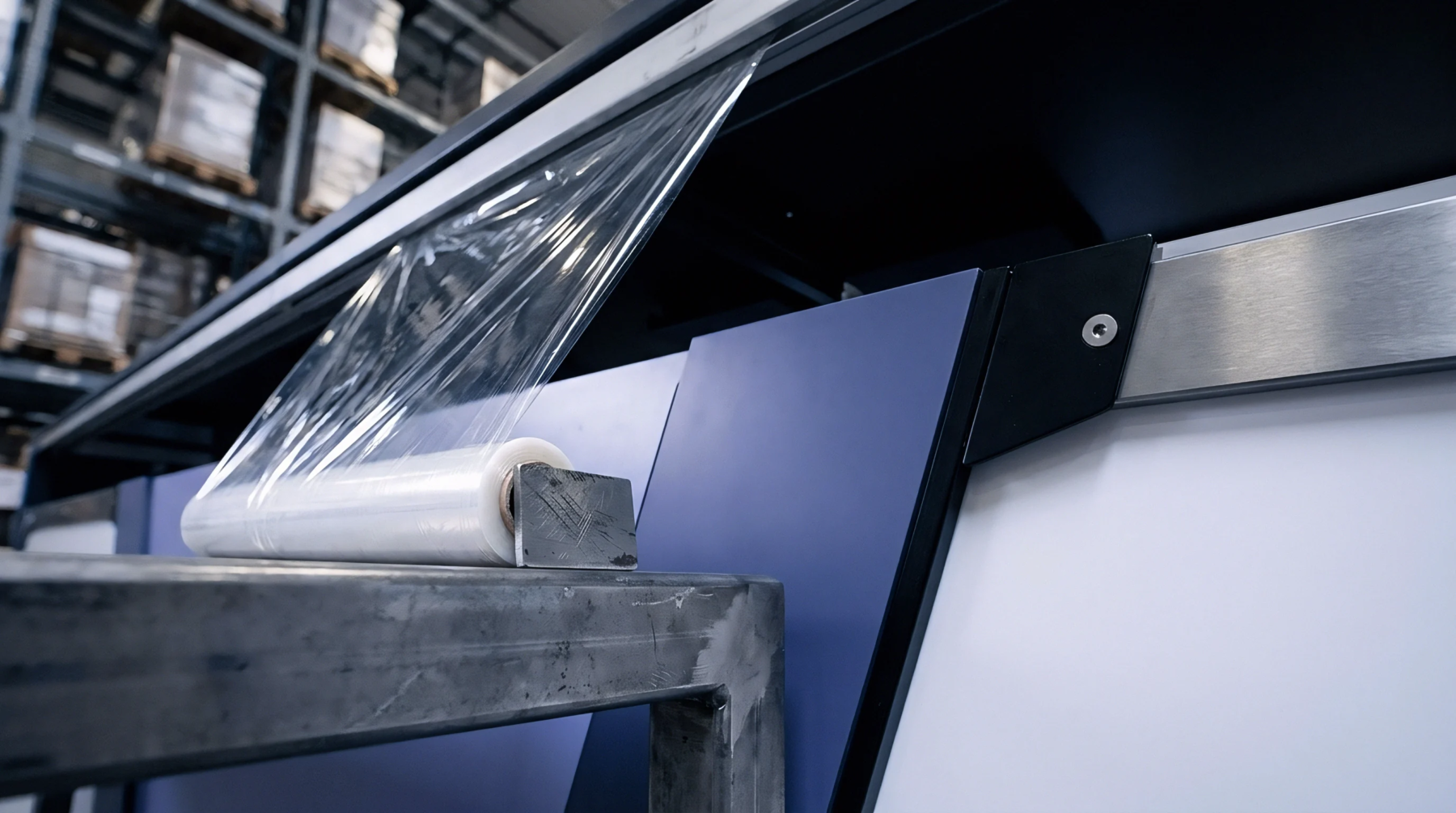
Physical continuity in protective packaging layers prevents the ingress of gases or moisture that degrade sensitive products. Maintaining barrier film integrity ensures that the designed shelf life of packaged goods is achieved in retail channels. When these polymer or foil layers remain unbroken, food products or pharmaceuticals are protected from oxidative spoilages.
This preservation of quality is necessary for reducing retail waste.
Quality Control
Testing methods for flexible packaging verify that seals and surfaces are free from micro-perforations or pinholes. To evaluate barrier film integrity, laboratories apply vacuum decay or bubble emission techniques to finished pouches. These assessments detect leaks that would otherwise go unnoticed during visual inspections.
Reliable testing prevents premature product degradation on store shelves.
Contractual Liability
Product supply agreements often include strict clauses regarding the performance and durability of packaging materials. If a shipment suffers from compromised barrier film integrity, the manufacturer faces chargebacks for unsaleable inventory. Distributors may reject entire lots if packaging failure rates exceed negotiated tolerance thresholds.
This failure can damage the brand reputation and erode retailer trust.
Material Selection
Selecting the correct combination of polymers is essential for resisting physical abuse during transport and handling. Multiple layers of plastic and metalized foil work together to preserve the product, but they must withstand folding and abrasion without cracking. A failure in barrier film integrity often results from choosing an inappropriate material thickness for the shipping route.
Correct specification of these layers balances packaging costs against the risk of product loss. It also ensures compliance with transport regulations for sensitive goods.