
Quantifying Cryogenic Shear Degradation at Superconducting Cable Semi Conductive Interfaces
Cryogenic thermal cycling induces interfacial shear stresses exceeding 16 MPa, requiring lap-shear screening to prevent semi-conductive debonding and quench.
Cryogenic thermal cycling induces interfacial shear stresses exceeding 16 MPa, requiring lap-shear screening to prevent semi-conductive debonding and quench.

Fluoropolymer semiconducting interfaces maintain stress control in cryogenic cables when carbon filler loading preserves resistivity below 100 Ohm-cm at 77 K.

Calibrating dynamic offshore cable strain sensors at minus forty degrees Celsius prevents premature insulation cracking and invalid fatigue life calculations.

Dynamic bending accelerates dielectric void evolution, shifting partial discharge spectral energy from UHF bands down to 100-400 MHz prior to breakdown.

Thermal load rejection drops subsea cable partial discharge inception thresholds by creating micro-voids through differential insulation contraction rates.

Subzero space charge accumulation doubles local field stress in polymer insulation, requiring continuous thermal profiling during qualification.
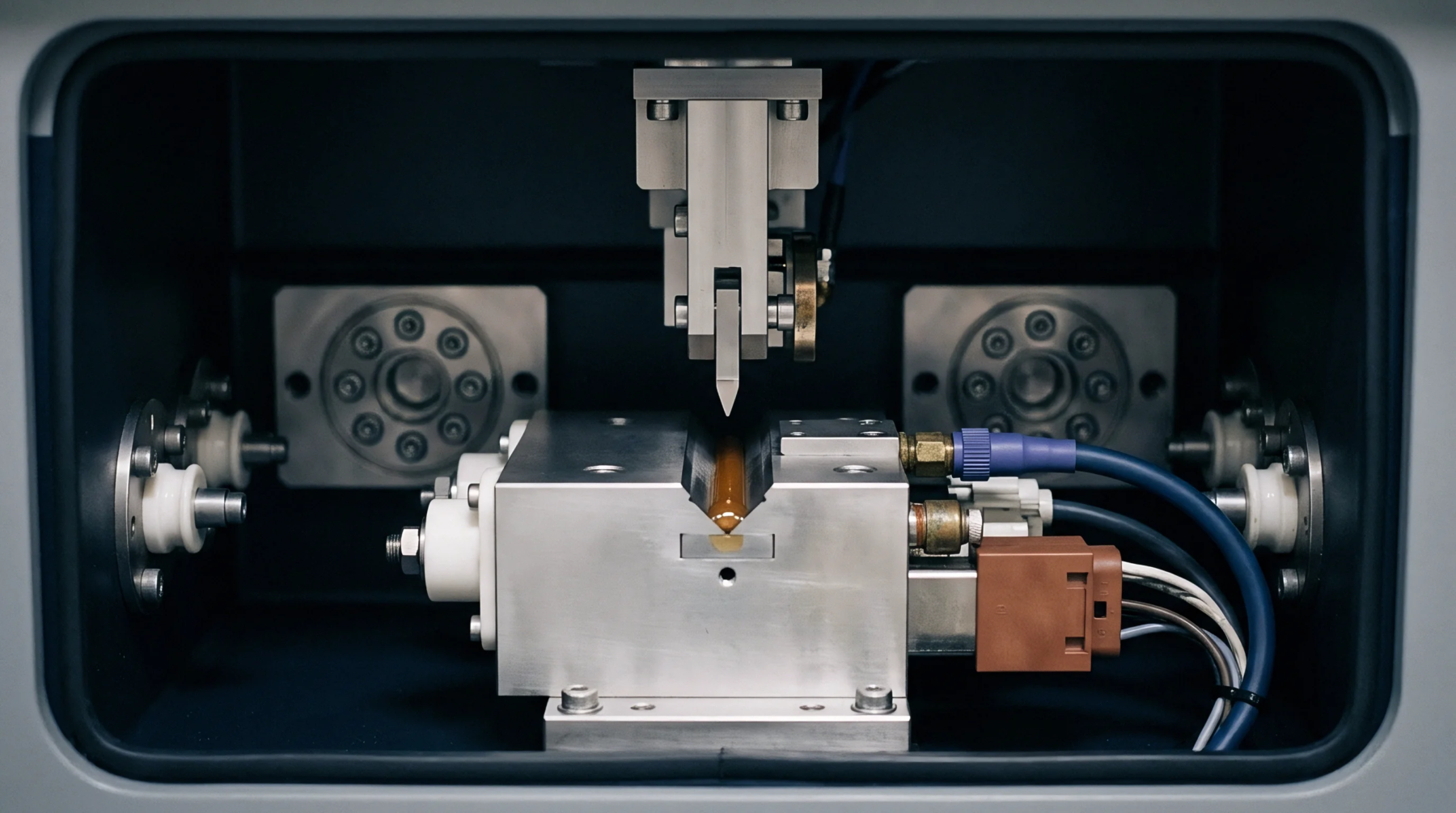
Polypropylene Laminated Paper degradation in cryogenic cables stems from micro-void formation under flexural strain and thermal contraction stress

Subzero cable survival depends on specifying polymers with glass transition temperatures 15°C below ambient minimums and verifying dynamic flex fatigue life.

Isolate dynamic pricing effects in attribution models using instrumental variables and price-freeze geo-holdouts to align ad spend with net margins.

Dynamic price elasticity in multi-touch hazard models corrects attribution bias, preventing overspending on late-funnel conversion tactics.

Dynamic price adjustments distort media attribution; isolating incrementality demands synthetic controls calibrated against pre-shift baseline elasticity.

Algorithmic bid shading under liquidity spikes is identified by isolating exogenous queue drops from shadow price pacing to measure latent valuation extraction.

Bai-Perron sequential testing detects unannounced publisher floor shifts in bidding logs, allowing real-time bid shading resets before margin decay occurs.

Real-time CUSUM algorithms on bid stream telemetry detect structural clearing breaks within fifty milliseconds, preventing budget depletion during floor price shifts.

enterprise procurement approval bends create step-function conversion drops that distort ad bidding algorithms unless modeled with regression discontinuity design.

Calibrating acquisition spend requires capping budget expansion at the spend threshold where marginal acquisition cost equals unit gross margin.

Customer acquisition cost elasticity spikes non-linearly across category price thresholds, demanding bundle re-engineering to protect net contribution margins.
Expertise is a utility, not a secret. sentiention™ publishes its working knowledge as open reference: intelligence layer covering the materials it sources, the markets it enters, and the reference that serves both.