Meaning
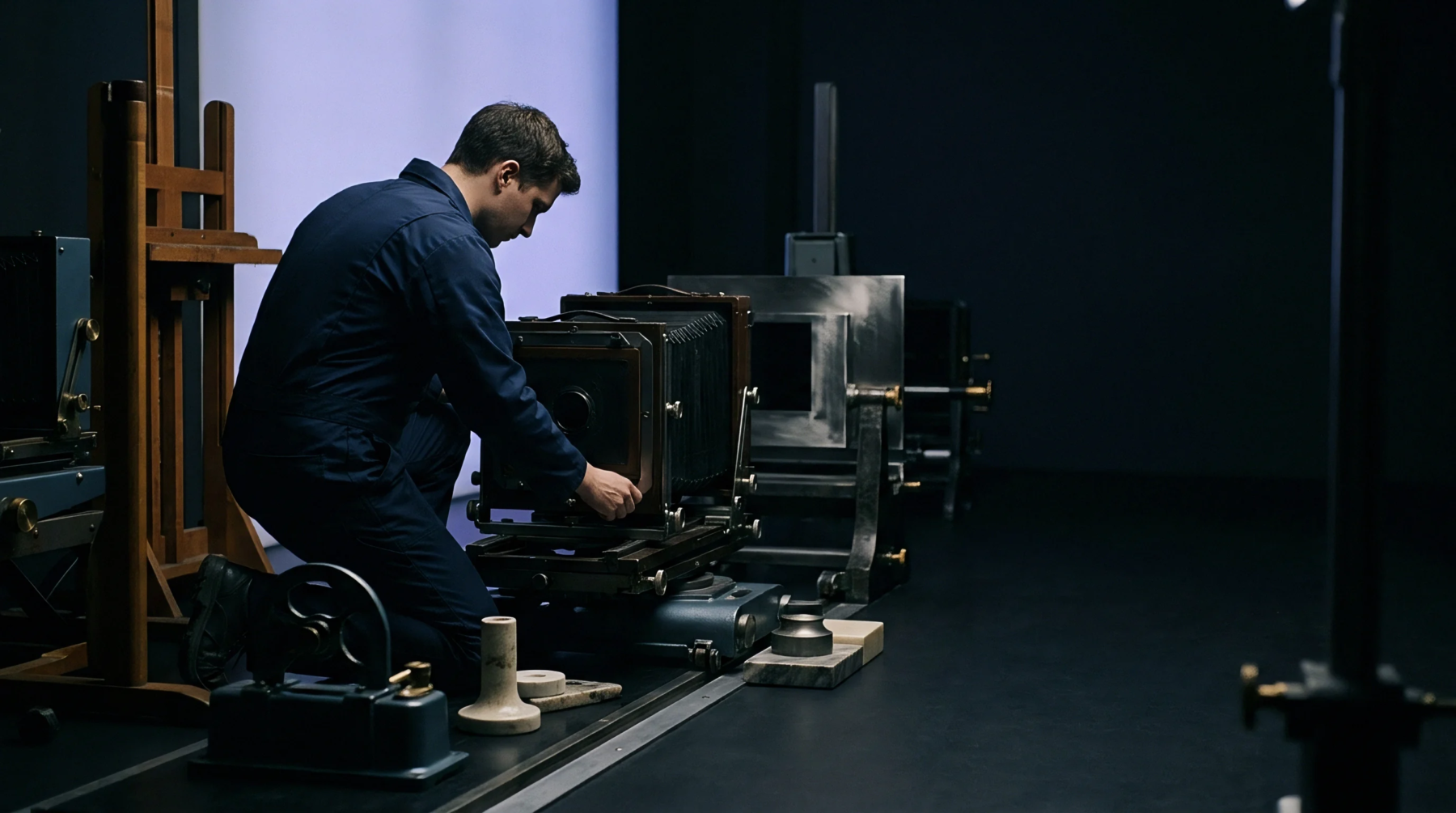
A compliance process verifies that machinery and high-value technical assets operate according to manufacturer specifications and regulatory standards before commercial production begins. Through systematic testing and documentation, capital equipment qualification establishes that the asset consistently performs within predetermined parameters. This formal process protects the manufacturer from liability and ensures that output meets contractually agreed quality standards.
The validation must be completed before the machinery is used for commercial distribution or customer deliveries. It establishes the legal and technical baseline for all subsequent quality control procedures and warranties.
Verification Process
Operational readiness is assessed through a series of structured testing phases that check installation and performance. These evaluations confirm that the machinery can handle the expected workload and survive continuous operation under factory conditions. Technical specialists document each test run to create an audit trail for regulatory inspectors and insurance underwriters.
This rigorous testing phase minimizes the risk of sudden equipment failure during high-volume production runs.
Distribution Impact
Product distribution relies on consistent manufacturing output to maintain stock levels and fulfill wholesale supply agreements. When capital equipment qualification is delayed, the delays can disrupt the delivery schedule and lead to contractual penalties for late shipment. Channel partners depend on this validation to guarantee that the goods they receive meet their regional safety and performance criteria.
This documentation often forms a mandatory exhibit in international distribution contracts.
Liability Boundary
Equipment validation restricts the manufacturer’s liability by demonstrating that any subsequent product defects arise from material flaws or operational errors rather than machinery malfunction. This protection is necessary for maintaining commercial insurance coverage and defending against product recall claims. It provides a clear legal threshold where responsibility shifts from the equipment installer to the factory operator.