Meaning
Component substitution distance functions as a measurement of the technical delta between a specified original material and a secondary alternative within a supply contract. This calculation establishes the functional variance encountered when a manufacturer swaps raw inputs to satisfy procurement agreements or production schedules. The metric operates exclusively within regulated assembly environments where precise physical tolerances dictate performance outcomes.
It defines the point where a substitute ceases to perform within the original design parameters. By quantifying how far an alternative deviates from the primary specification, the evaluation allows procurement officers to determine if the alternative qualifies for use without requiring a full re-engineering of the assembly. The calculation relies on density, thermal coefficients and mechanical stress limits to arrive at a scalar value.
When the distance exceeds established thresholds, the secondary material requires approval from the end consumer before integration occurs.
Contractual Logic
Supply agreements govern how component substitution distance moves the financial liability between a vendor and a buyer. Vendors maintain specific margins by utilizing cheaper secondary inputs, provided the calculated variance remains below a pre-negotiated threshold defined in the procurement document. If the distance grows, the vendor carries the burden of re-validating the assembly to meet safety standards.
Landed cost fluctuates based on these substitutions because the vendor often passes the verification expenses down the supply chain. Exclusivity agreements limit how these adjustments apply, as certain proprietary components forbid any deviation regardless of the measured proximity. Sales commitments define the minimum performance levels that no substitution can cross.
Service obligations force the vendor to provide support when the distance reaches a critical point that forces a change in the end product lifespan.
Production Variance
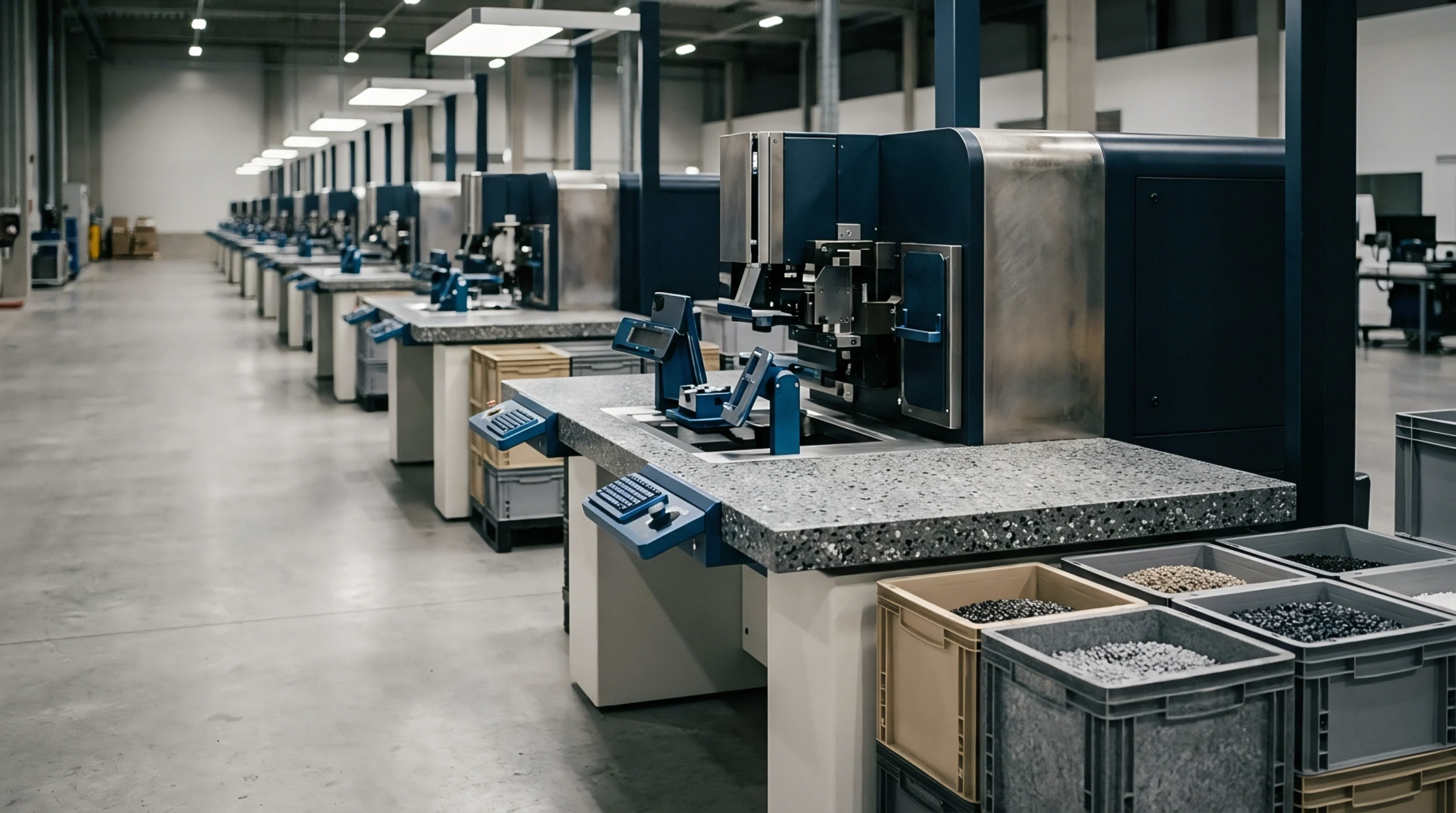
Assembly lines utilize this distance to adjust calibration routines for automated machinery. When a substitute enters the workflow, the machine controller calculates the offset required to accommodate the material difference. A deviation in surface texture or electrical conductivity triggers an automatic pause in the process until the equipment parameters update.
Large distances necessitate manual intervention, as software models cannot compensate for extreme physical property shifts. Operators monitor these corrections to prevent excessive scrap rates or degraded output quality. Short distances require minimal hardware tuning, while higher values demand complete reconfiguration of the fabrication tools.
Consistent tracking of the shift ensures that every product manufactured under the same model name retains identical functional characteristics.
Market Compliance
Retail channels require evidence of component substitution distance to verify that consumer goods meet regional quality grades. Government agencies demand these reports to ensure that imported goods maintain safety standards through all shifts in material sourcing. Packaging labels list the primary composition to inform the buyer of the baseline, but the actual internal chemistry fluctuates based on the substitution distance allowed by production contracts.
Authorized distributors verify these metrics to prevent the influx of non-compliant stock into restricted territories. Trade compliance hinges on the accuracy of these measurements, as unauthorized shifts in composition trigger import duties or total shipment rejection. Precise documentation of the variance represents the single reliable method for maintaining compliance across global operations.