Meaning
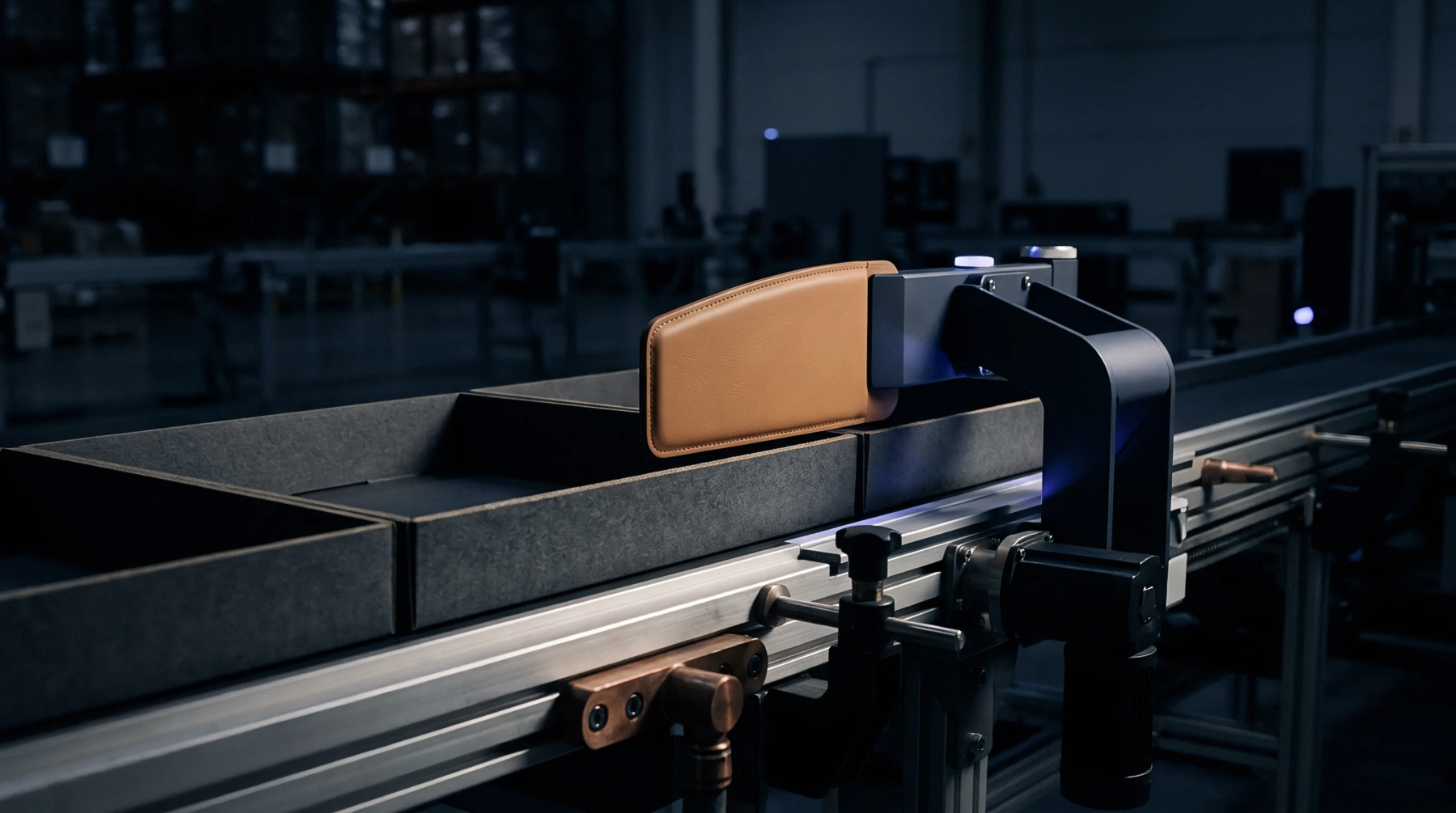
Automated mechanical sorting constitutes the primary method for segmenting inbound freight into individual outbound lanes based on destination, order priority or stock keeping unit attributes. Distribution center sorting identifies parcels or palletized goods through optical scanners and weight scales before diverting units into designated collection chutes or shipping bays. This activity governs the throughput capacity of a logistics facility by transforming a high volume of unsorted inventory into organized batches prepared for transit.
Speed and precision here dictate the reliability of delivery windows promised in retail distribution agreements.
Logistics Velocity
Throughput speed within a distribution center sorting system determines the difference between a facility meeting outbound carrier dispatch times and incurring late fees. High volume facilities rely on modular diverters that adjust physically to handle varied parcel sizes without manual intervention. Efficiency gains arise when the logic controller matches inbound conveyor rates with the outbound loading dock capacity.
Any friction at the diversion point generates a queue that ripples backward to the receiving docks.
Contractual Obligations
Commercial service level agreements define the acceptable error rates for parcel routing within the sorting environment. Retailers demand precise routing to avoid misallocated stock that requires expensive reverse logistics movements between store locations. Fixed price per unit contracts include provisions for sorting failures that cause a missed carrier departure.
Compensation clauses trigger whenever the automated systems fail to meet the required throughput rate, forcing the facility operator to cover the excess transport costs for expedited freight.
Mechanical Configuration
Sorting hardware manages material movement through a network of linear pushers, tilt trays or cross belt conveyors. Sensors mounted above the belt register barcode data, weight, and volume dimensions before the system calculates the path for each unit. Programmed logic sequences allow the controller to clear path congestion by dynamically reassigning destination chutes during peak periods.
Accurate hardware calibration remains the factor that governs long term facility reliability.