Meaning
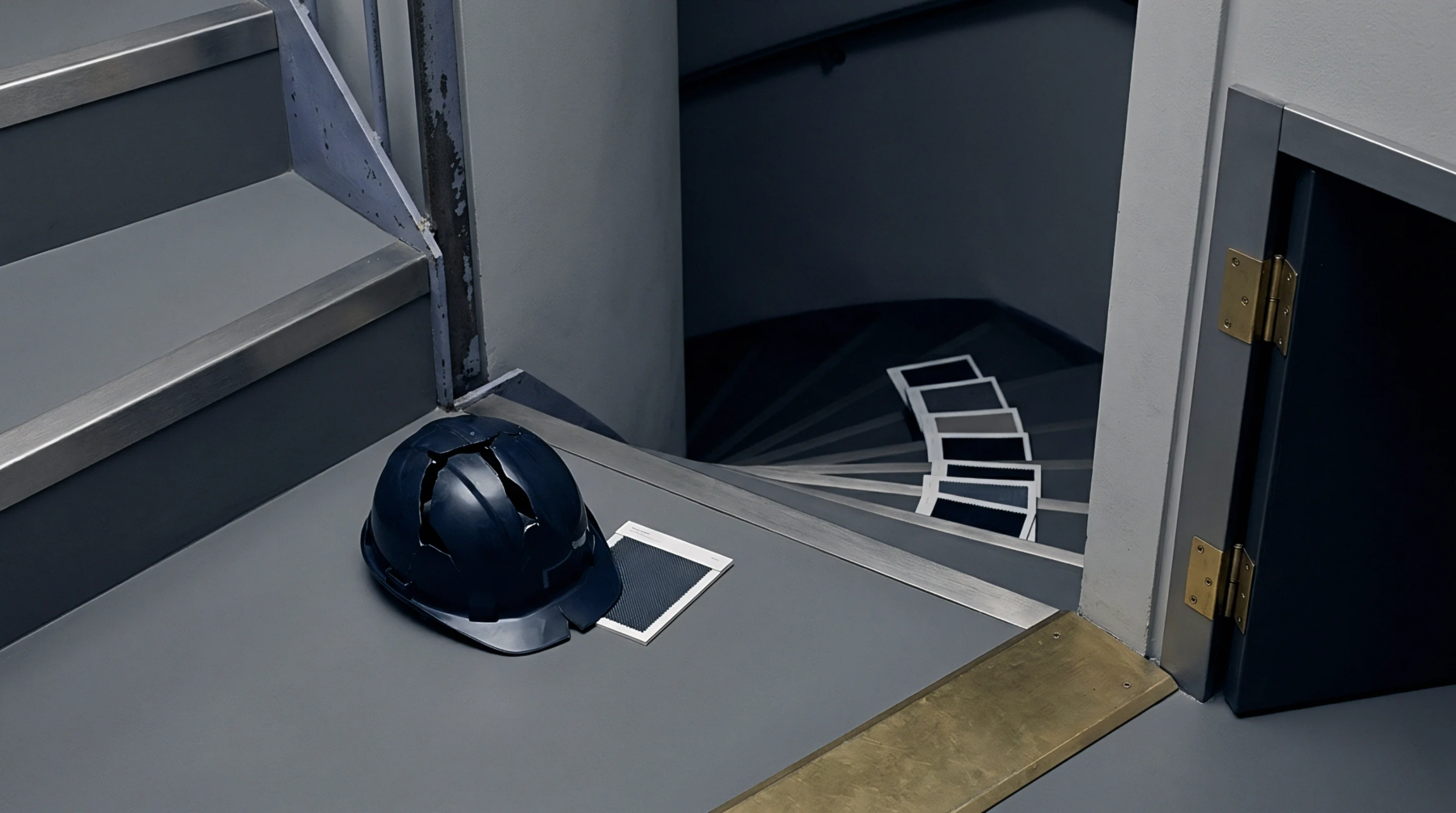
Digital advertisements placed in multiple layers atop each other allow only the top graphic to remain visible while counting fees for every item. This fraud configuration exploits browser measuring limits to bill multiple advertisers for a single visual occurrence. It ceases to occur once elements are placed in separate visual frames or side by side coordinates within the document model.
Billing Irregularity
Revenue inflation occurs when an ad placement uses vertical depth rather than horizontal layout to hide dozens of calls for payment inside one slot. During impression stacking, the system registers each unit as viewable because they are technically inside the active portion of the user window. Only the user interface remains blissfully unaware of the hidden material underneath.
Ad Fraud
Invisible placements create a fake sense of performance that wastes the commercial budget of an organization. Detecting impression stacking involves checking the overlap of geometric containers to see if multiple units occupy the same pixel coordinates simultaneously. Software identifies this by scanning the transparency and position variables of the items in the list.
Audit Protection
Forensic checks confirm that only one delivery takes place within a single assigned boundary on the web page. Measurement standards prohibit the tallying of an event if the graphic is obscured by a higher element in the display order. Advertisers require this verification to ensure their margin supports genuine visual contact with the audience.