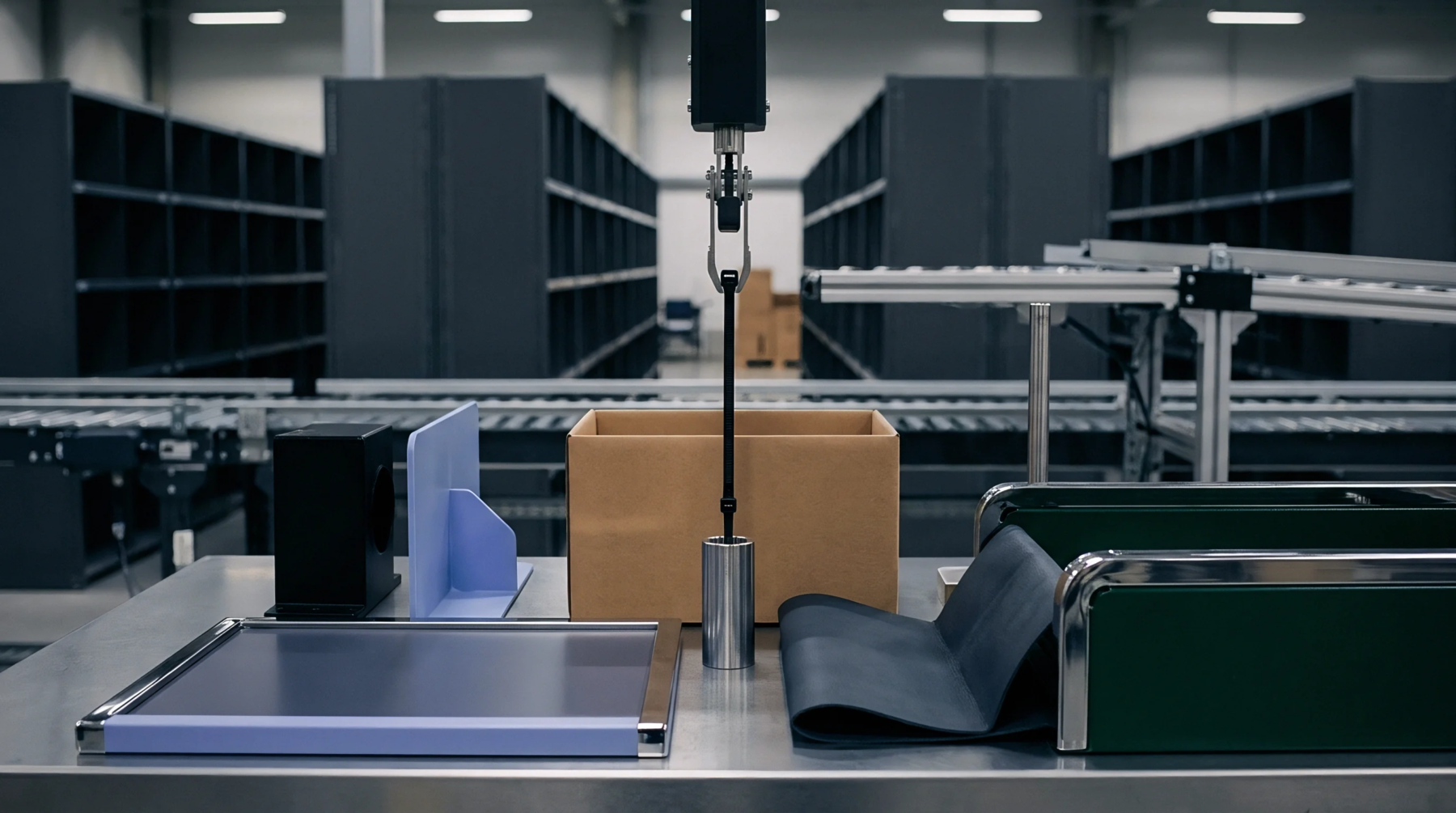
Automated Risk-Based Escrow Reserves under Real-Time Telemetry Logs
Real-time hardware telemetry logs adjust automated channel escrow reserves continuously, linking cash holdbacks to field operating risk rather than arbitrary time windows.
Liability shifting constitutes a contractual mechanism that transfers legal responsibility for potential financial losses or damages from one entity to another during a commercial transaction. Parties negotiate this assignment to determine who carries the burden of compensation when performance failures or unintended occurrences arise within the supply chain. Insurance premiums, indemnity clauses and hold harmless agreements often house these arrangements to define the scope of accountability for participants.
The process finishes at the point where the risk allocation becomes fixed under the governing law of the territory or the specific provisions of the signed contract. It functions as a bridge between the party performing the service and the entity retaining ownership of the goods.
Legal counsel drafts these provisions to delineate the boundaries of risk exposure before the first unit moves through the distribution network. A supplier might demand protection from liability shifting when downstream defects occur because of improper storage or handling by the distributor. Agreements specify which categories of loss reach the threshold for transfer and which remain with the originating party.
Parties calculate the cost of this risk movement by adjusting the base price or including a surcharge for the assumed hazard. The mechanism prevents unexpected surges in costs that would arise from litigation over responsibility for damaged cargo or failed product batches. It creates a predictable path for recovery when an accident happens at a warehouse or during transit.
A clear contract removes the uncertainty that complicates business relations.
Distributors often push for liability shifting to safeguard their profit margins against claims originating from end users or regulatory bodies. High insurance costs lead firms to offload potential claims onto smaller manufacturing partners through rigorous terms in the purchase order. Smaller entities accept these burdens to maintain access to larger retail channels even when the costs threaten their own operational stability.
The arrangement ensures that the primary seller of a good controls the financial risk even when the physical asset sits in a remote warehouse controlled by a third party. Margin stability depends on the ability to isolate these potential losses from the operating budget of the firm. A firm stays liquid by moving the heavy costs of litigation to entities that possess the capacity to mitigate the specific risks involved in the movement of products.
Authorities set the limits for liability shifting by prohibiting the transfer of accountability for injuries caused by gross negligence or illegal activities. Courts examine these contracts to ensure that terms align with the public interest and fair trade practices. A clause fails to stand if it attempts to move the duty for safety away from the entity that actually exerts control over the environment where the harm occurs.
Compliance requires careful documentation of the chain of custody so that each participant recognizes the extent of their exposure under current statutes. The restriction preserves the incentive for manufacturers to maintain high production standards regardless of who distributes the final output. Liability shifting remains the most effective tool for managing systemic financial risk in complex global supply chains.
Real-time hardware telemetry logs adjust automated channel escrow reserves continuously, linking cash holdbacks to field operating risk rather than arbitrary time windows.
Expertise is a utility, not a secret. sentiention™ publishes its working knowledge as open reference: intelligence layer covering the materials it sources, the markets it enters, and the reference that serves both.