Meaning
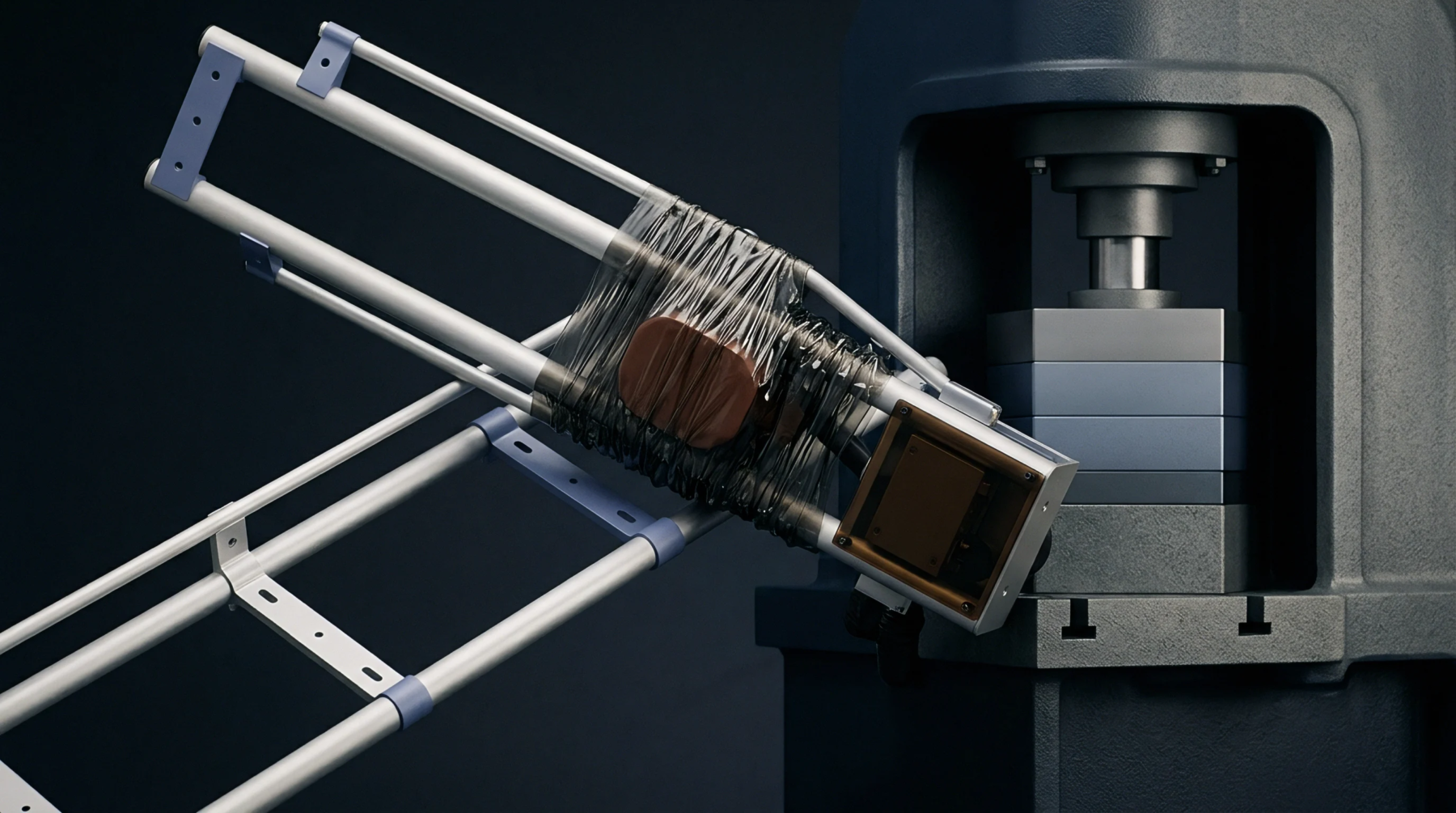
A locking mechanism within modular seating systems secures the physical position of a chair relative to its supporting base or track. Mechanical seat binding prevents involuntary movement or slippage during operation by engaging high-friction interfaces or positive-locking pins. This configuration ensures stability under variable load distributions.
Contractual Liability
Agreements governing the supply of transit and office furniture often assign specific performance benchmarks to these locking assemblies. When a failure occurs during standard use, the manufacturer holds responsibility for repair costs if the failure arises from faulty engagement geometry rather than user damage. Distributors frequently shift this liability back to the production facility through indemnification clauses.
Such clauses protect the reseller from claims regarding safety hazards or premature equipment wear.
Installation Tolerance
Precision within the assembly process dictates how effectively the friction locks hold their designated position under pressure. Technicians must align the track components within a narrow deviation range to guarantee the engagement teeth or clamping jaws seat fully. Excess clearance allows the assembly to vibrate, which degrades the locking material over time and necessitates costly field maintenance.
Proper calibration reduces the return rate for high-volume commercial installations.
Safety Compliance
International standards demand rigorous cycle testing to verify that components withstand repeated locking cycles without losing clamping force. Independent laboratories verify this durability by applying forces that mimic years of frequent adjustment. Regulatory bodies enforce these metrics to prevent seat detachment in moving vehicles or crowded public environments.
Failure to pass these evaluations removes a product from legal distribution channels.