Meaning
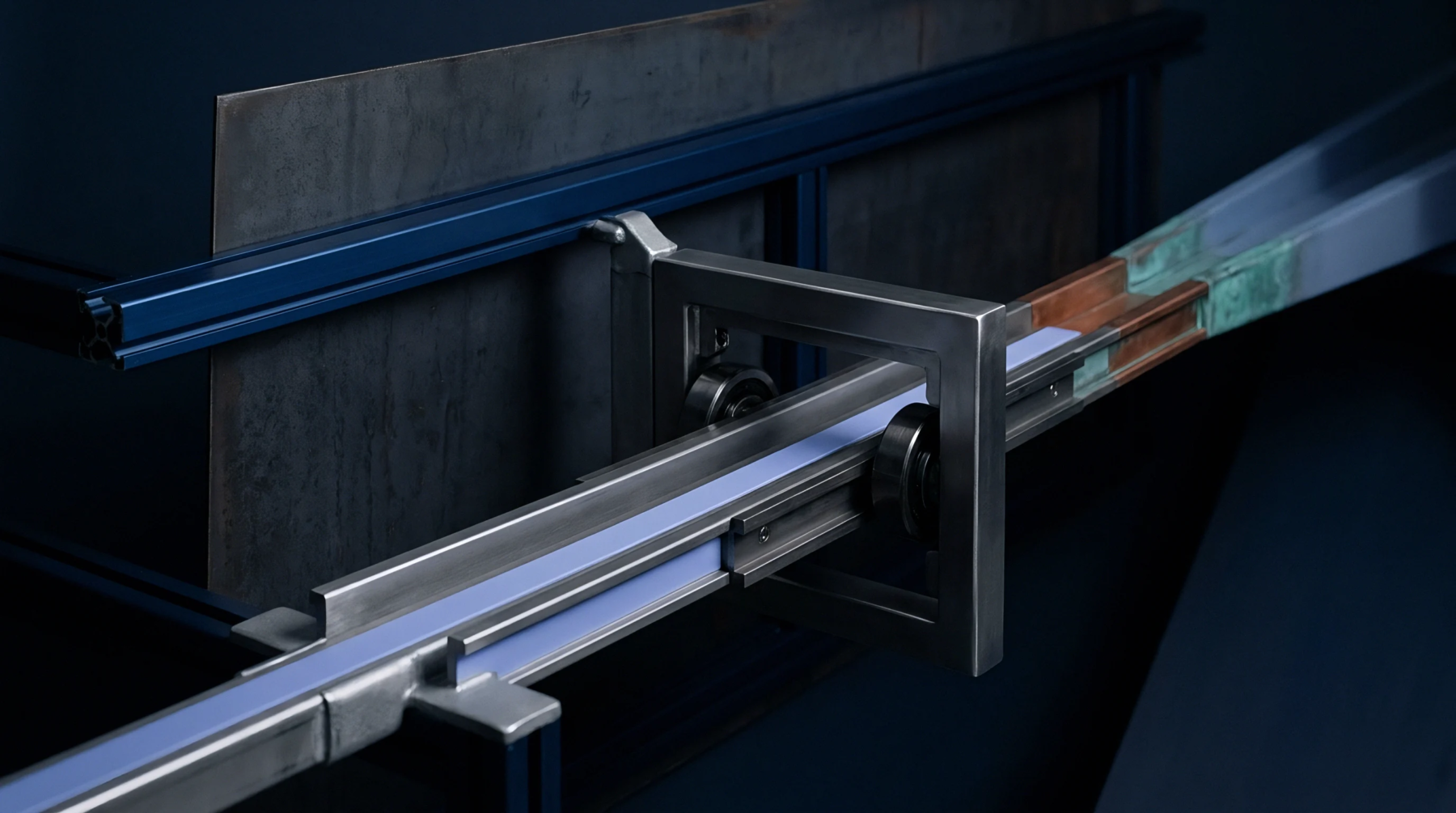
Multi-point aerodynamic measurement instruments capture total and static pressure across a flow field during aerodynamic testing. Aerospace development programs utilize a pitot-static rake to measure engine inlet performance and determine flow distortion limits. This data is critical for engine integration.
Flight Validation
Supplier agreements designate the rake as a mandatory tool for proving that the engine meets thrust and fuel consumption requirements. The test data must be shared with the aircraft manufacturer to verify compliance with joint development targets. This verification ensures the engine and airframe work together.
Contractual Warranty
Contractual warranties are contingent on the rake being calibrated and maintained by a certified laboratory. If the instrument is damaged during testing, the party responsible for the operation of the wind tunnel must pay for the repair or replacement. This clear assignment of liability prevents testing delays.
Dispute Resolution
Disputes over thrust calculations are resolved by reviewing the raw pressure measurements collected by the rake. If the data shows that the inlet flow did not meet the agreed quality standards, the airframe developer must redesign the fuselage duct. This engineering task is funded by the airframe company to avoid delaying the certification schedule and protects the engine supplier from penalties related to performance shortfalls.