Meaning
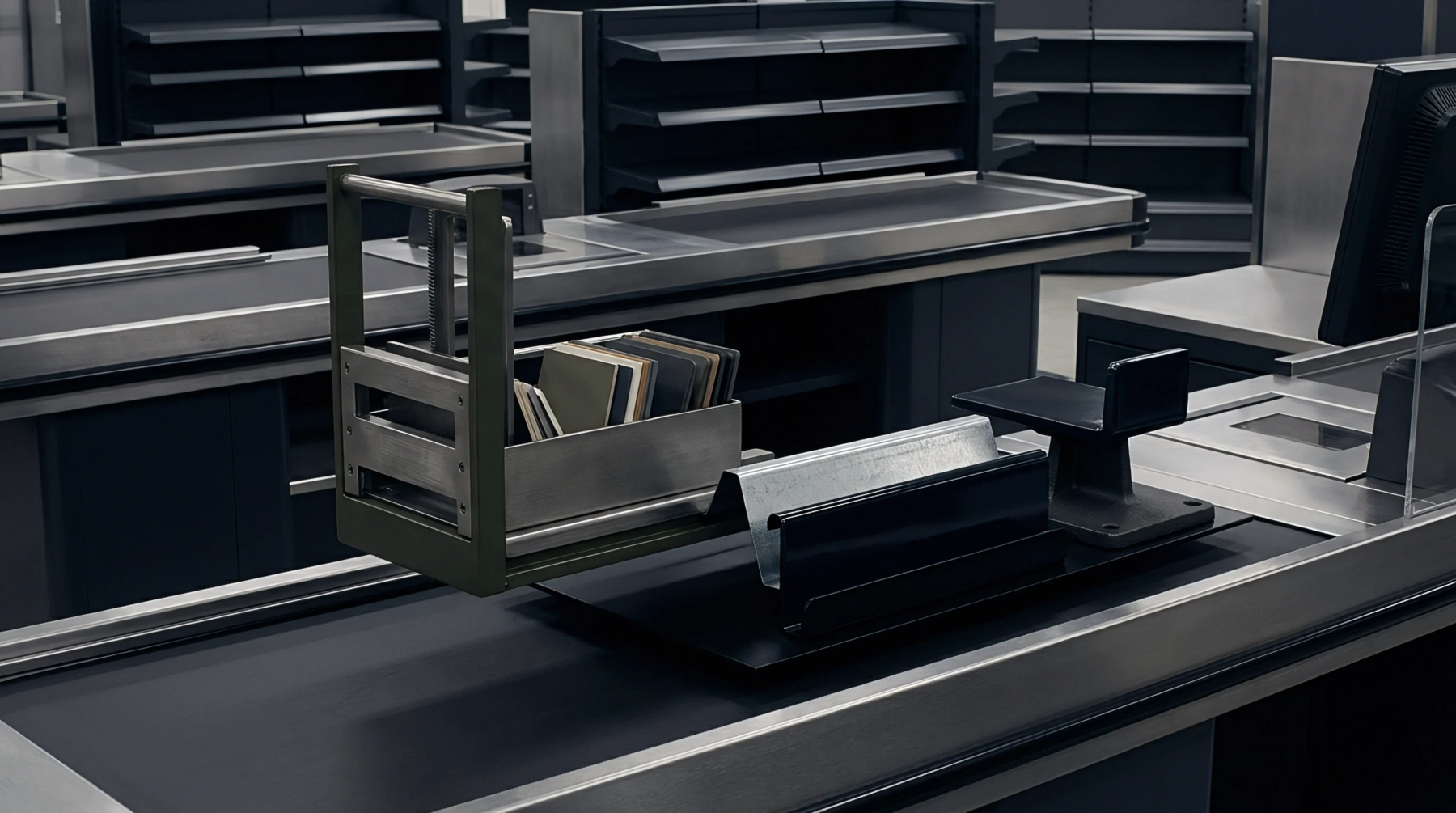
A category of electronic transaction equipment includes terminals, card readers, and barcode scanners utilized to process purchases and record inventory changes at the retail checkout. The deployment of point of sale hardware enables brick-and-mortar stores to execute sales contracts and collect payments efficiently. It connects the physical retail floor to the digital database of the distributor.
This equipment acts as the primary interface for customer transactions.
Operational Capability
Modern checkout lanes require highly reliable physical terminals to manage daily high-volume sales. Upgrading point of sale hardware allows retail managers to accept diverse payment methods, including mobile wallets and contact-free cards. This reduces transaction times, which increases the overall throughput of the store, and enables seamless integration with local stock-tracking systems.
High-quality merchant terminals also withstand harsh retail conditions, ensuring that business operations remain unaffected by physical wear.
Distribution Integration
Distributors often co-fund the acquisition of retail terminals to secure better shelf space and more accurate sales reporting. Linking the point of sale hardware directly to the distributor’s supply-chain database enables automated replenishment orders to be triggered based on actual sales. This tight coordination prevents stockouts and optimizes the delivery schedules of high-demand items.
Asset Management
Outfitting multiple stores requires a significant capital investment in equipment leases and maintenance contracts. Retailers must track each piece of point of sale hardware to manage deprecation and ensure timely system upgrades. This systematic monitoring prevents terminal failures from disrupting customer checkout flows.