Meaning
Monitoring the temperature of the air as it re-enters the refrigeration unit provides a reliable indicator of the overall cooling performance in a container. This return air intake tracking allows the system to adjust the cooling power based on the heat load of the entire cargo space. It is more accurate than measuring the supply air because it reflects the energy absorbed by the products.
Airflow Efficiency
Obstructions in the cargo space can prevent the air from circulating correctly and lead to hot spots. When return air intake tracking shows a higher than expected temperature, it indicates that the air is not reaching the back of the container. This signal tells the operator to check the loading pattern and ensure that the air channels are clear.
Gradient Variation
Difference between the supply air and the return air reveals the efficiency of the insulation and the thermal state of the goods. Using return air intake tracking helps identify when a shipment has been loaded warm and requires extra cooling time. This data is used to optimize the operation of the refrigeration unit and reduce energy consumption.
The system uses a feedback loop to maintain a constant temperature throughout the journey. It is a standard feature in modern refrigerated trailers and sea containers.
Sensor Placement
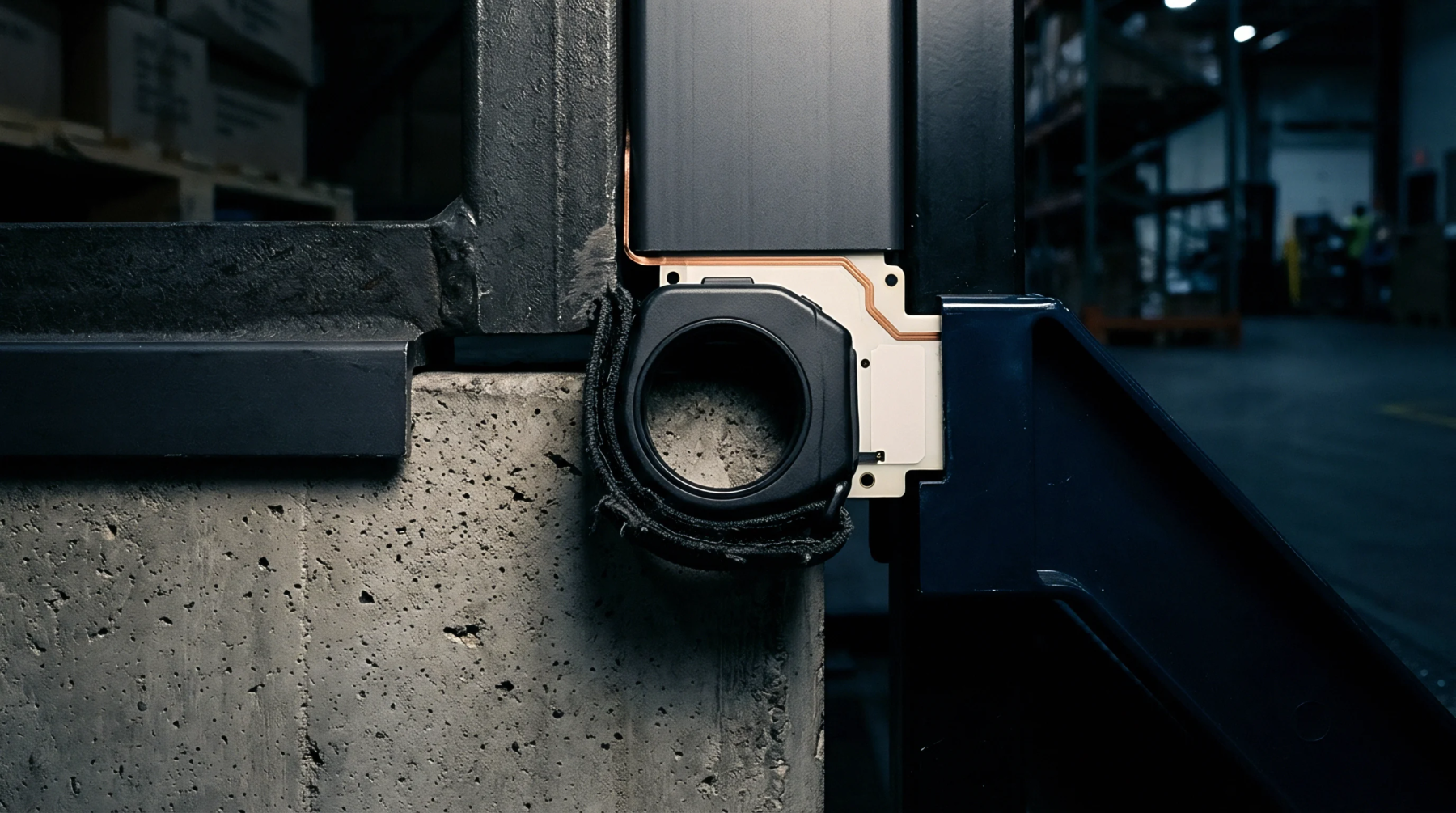
Accuracy of the measurement depends on the sensor being located exactly where the air enters the evaporator. Using this data as part of the official shipping record provides proof that the refrigeration system was functioning correctly. Reliable tracking is a prerequisite for the transport of pharmaceuticals and fresh produce.