Meaning
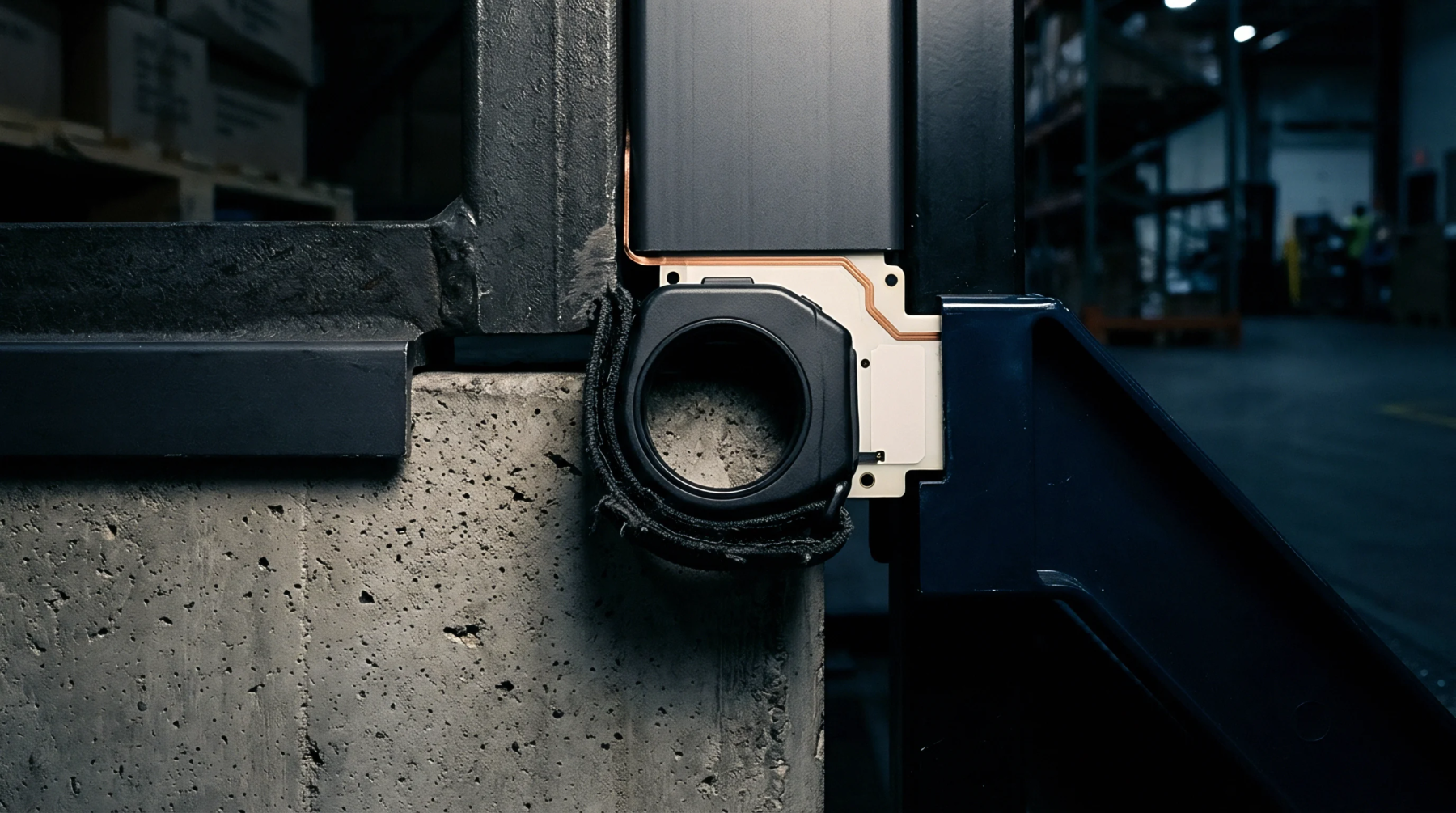
Timing discrepancies occur when the internal clocks of electronic sensors deviate from the true standard time. This sensor clock drift causes the recorded timestamps of temperature and location data to become inaccurate over long transit periods. Logistics providers must account for this shift to ensure that their tracking records remain valid for quality compliance audits.
Error Accumulation
Drift occurs because temperature shifts and battery wear affect the oscillator’s vibration frequency. These errors accumulate over time, distorting the logs.
Service Level
Service level agreements for cold chain logistics specify the maximum allowable clock drift for tracking devices. If a device has too much drift, the recorded data may be rejected by the buyer, leading to penalty charges for the carrier. Logistics providers use automated systems to synchronize the clocks of their tracking devices before each shipment to prevent these timing errors.
Compensation Protocol
To correct for timing errors, tracking software applies algorithm-based corrections to the data after it is uploaded. By comparing the sensor’s clock with a reference time at the end of the trip, the system can recalculate the exact time of each recorded event. This ensures that the tracking logs remain accurate, which is essential for proving compliance with food and drug safety standards, reducing the likelihood of rejected shipments and financial losses.