Meaning
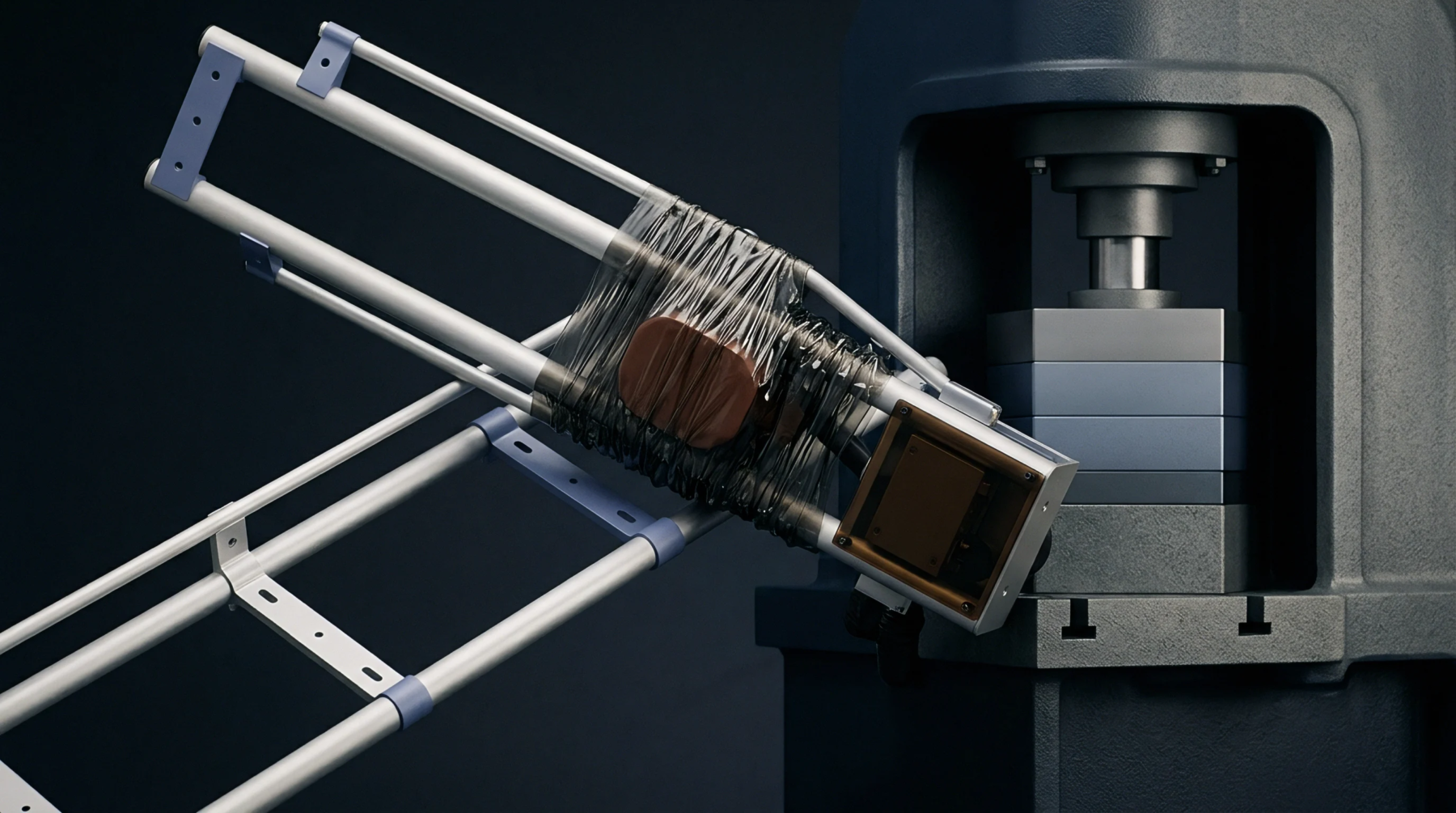
An electro-pneumatic control device regulates the stem position of a linear or rotary valve by comparing a remote command signal against the mechanical feedback of the valve actuator. This smart positioner utilizes an internal microprocessor to calibrate the stroke and diagnose friction levels without manual adjustment. Advanced diagnostic routines within the unit detect potential failures such as seat wear or supply pressure fluctuations before these issues interrupt fluid throughput.
The instrument translates the control signal into a proportional pneumatic output to ensure high accuracy in valve throttling applications.
Channel Mechanics
Distribution agreements often treat the smart positioner as a bundled component of the final valve assembly rather than a standalone aftermarket item. Distributors manage regional inventory to meet lead time requirements for integrated process skid projects while providing local technical support for firmware upgrades. Contracts define the liability for firmware compatibility when the valve supplier and the control device manufacturer remain separate entities.
Procurement managers verify that the hardware version matches the specific communication protocol requested by the end user to maintain data integrity across the control loop.
Operational Calibration
Precise tuning of the device occurs through an automated signature generation process that maps the friction profile of the valve assembly across the entire travel range. Technicians trigger this calibration to store the baseline performance data within the non-volatile memory of the device for future comparative analysis during maintenance cycles. Stable operation depends on the integrity of the feedback linkage between the actuator stem and the internal sensor array.
Air quality constraints require the filtration of supply media to prevent the blockage of sensitive internal pilot valves which could lead to erratic response times.
Diagnostic Throughput
Real time monitoring of internal loop parameters identifies performance degradation through the tracking of hysteresis and deadband. Maintenance intervals shift from time based schedules to condition based triggers based on these data points to reduce downtime. High cycle applications benefit from the ability of the device to log travel statistics and cycle counts to predict remaining component life.
Proactive adjustments to the control tuning constants mitigate the impact of physical seal degradation on final process stability.