Meaning
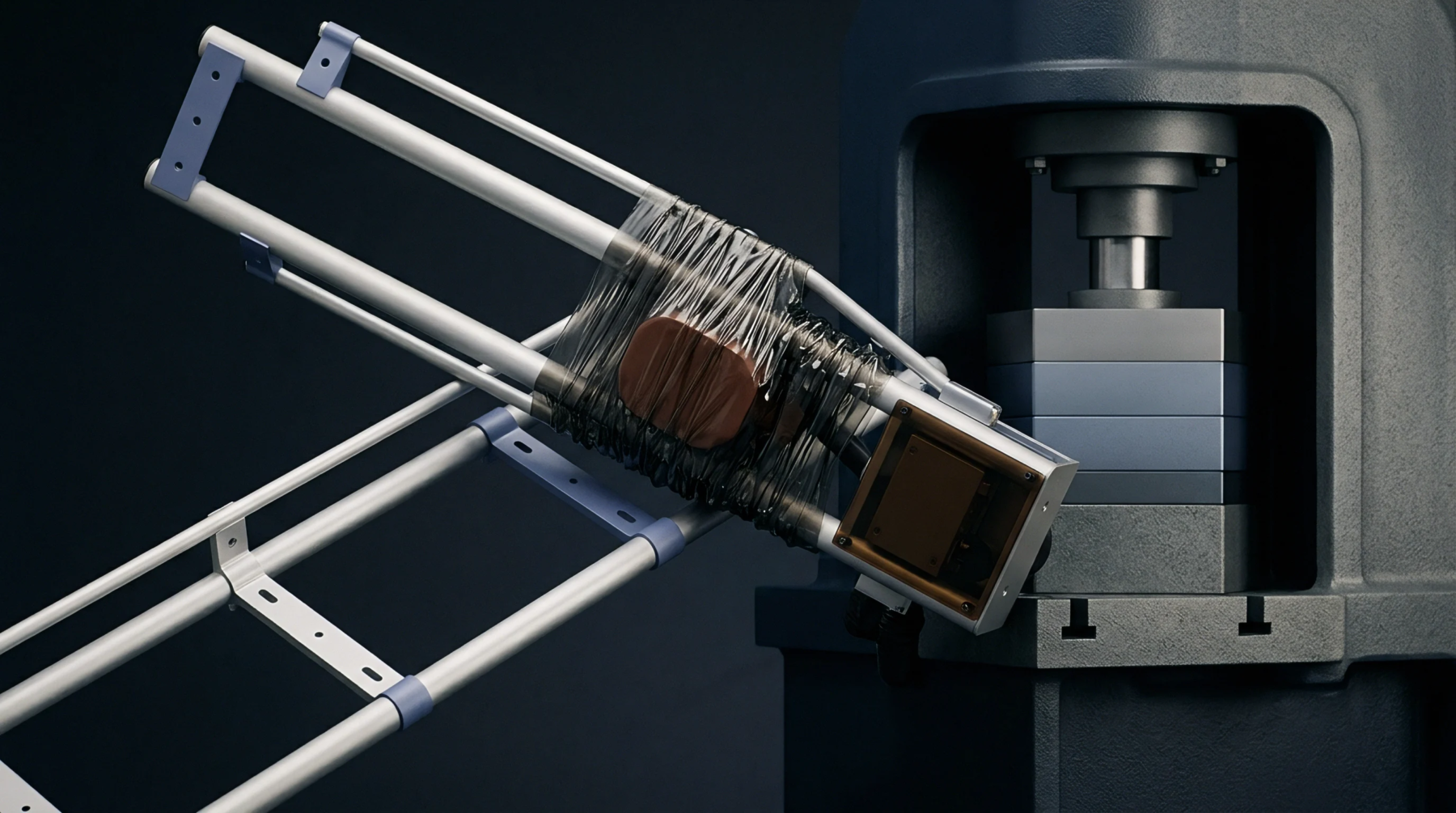
Linear displacement hardware converts the mechanical extension of a hydraulic or pneumatic piston into a measurable electrical signal. The stroke travel sensor provides continuous feedback regarding the exact position of a cylinder rod within its housing. Operators monitor this voltage or digital output to govern the stop and start points of automated machinery.
Distribution Logic
Procurement contracts often bundle this component as an integral part of a larger motion control assembly. Original equipment manufacturers include these parts to determine the specific warranty parameters of a machine. Should the device fail while under a service level agreement, the replacement cost shifts from the end user to the manufacturer because the component falls under basic hardware reliability clauses.
Vendor documentation frequently defines these parts as consumable items rather than long term structural assets.
Signal Precision
High resolution encoders maintain accuracy across the entire range of motion allowed by the machine frame. Variations in ambient heat or hydraulic fluid density affect the raw output values before the system calibration occurs. Accurate positioning requires that the software applies a corrective offset to account for these environmental variables.
Consistent performance allows the machinery to repeat complex sequences without needing manual resets after every cycle.
Contractual Compliance
Legal disputes arise when the reported position of a rod deviates from the actual mechanical limit set by the physical stoppers. Suppliers define the acceptable drift margin within the technical appendix of the sales order. Exceeding these tolerances triggers an automatic fault status that halts the operation of the connected production line.
Failure to maintain these sensors within specified ranges voids the liability coverage provided by the original system vendor.