Meaning
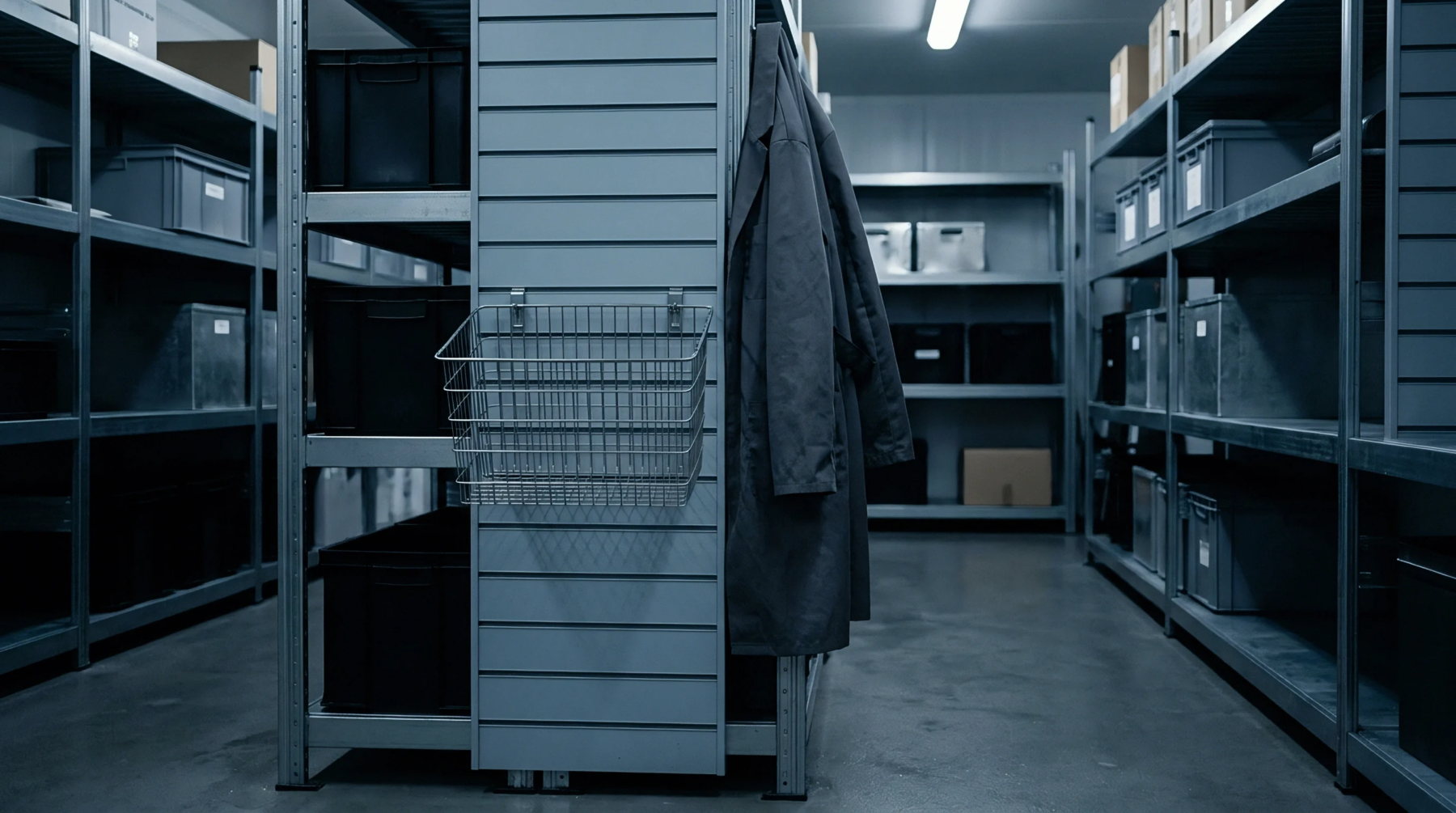
A specific physical zone in a warehouse or distribution center set aside for inbound shipments that cannot be processed due to errors. A trouble bay handles goods with incorrect paperwork or damaged packaging. It isolates these problematic shipments from the main workflow to prevent processing delays across the entire facility.
Operational Isolation
Warehouse operators move irregular shipments to this designated zone immediately upon identifying an error. When a delivery is held in the trouble bay, it sits outside the active inventory system. This action prevents the warehouse from distributing unverified or damaged items.
Isolating these items keeps the main receiving docks clear for standard deliveries.
Discrepancy Resolution
Clerks investigate each held shipment by comparing the delivery manifest against the purchase order. Resolving issues in the trouble bay requires direct communication with the supplier or the transport company. Once the correct paperwork or replacement items arrive, the shipment can be released to the main inventory.
This step ensures that only correct orders are entered into stock.
Inventory Management
Holding goods in this area for too long reduces the overall efficiency of the warehouse. A build-up in the trouble bay indicates systemic communication issues with suppliers or carriers. Administrators monitor the turnover rate of this zone to assess the accuracy of inbound logistics.
Fast resolution of shipment problems keeps warehouse operations running smoothly. Warehouses often assign dedicated staff to this area to ensure that disputes with suppliers do not drag on, which would otherwise freeze valuable capital in unpaid or unuseable inventory.