Planogram Vertical Position and Shelf Packaging Deterioration
Vertical shelf position determines physical packaging stress levels, requiring structural substrate adjustments to prevent retail chargebacks and unsaleable returns.

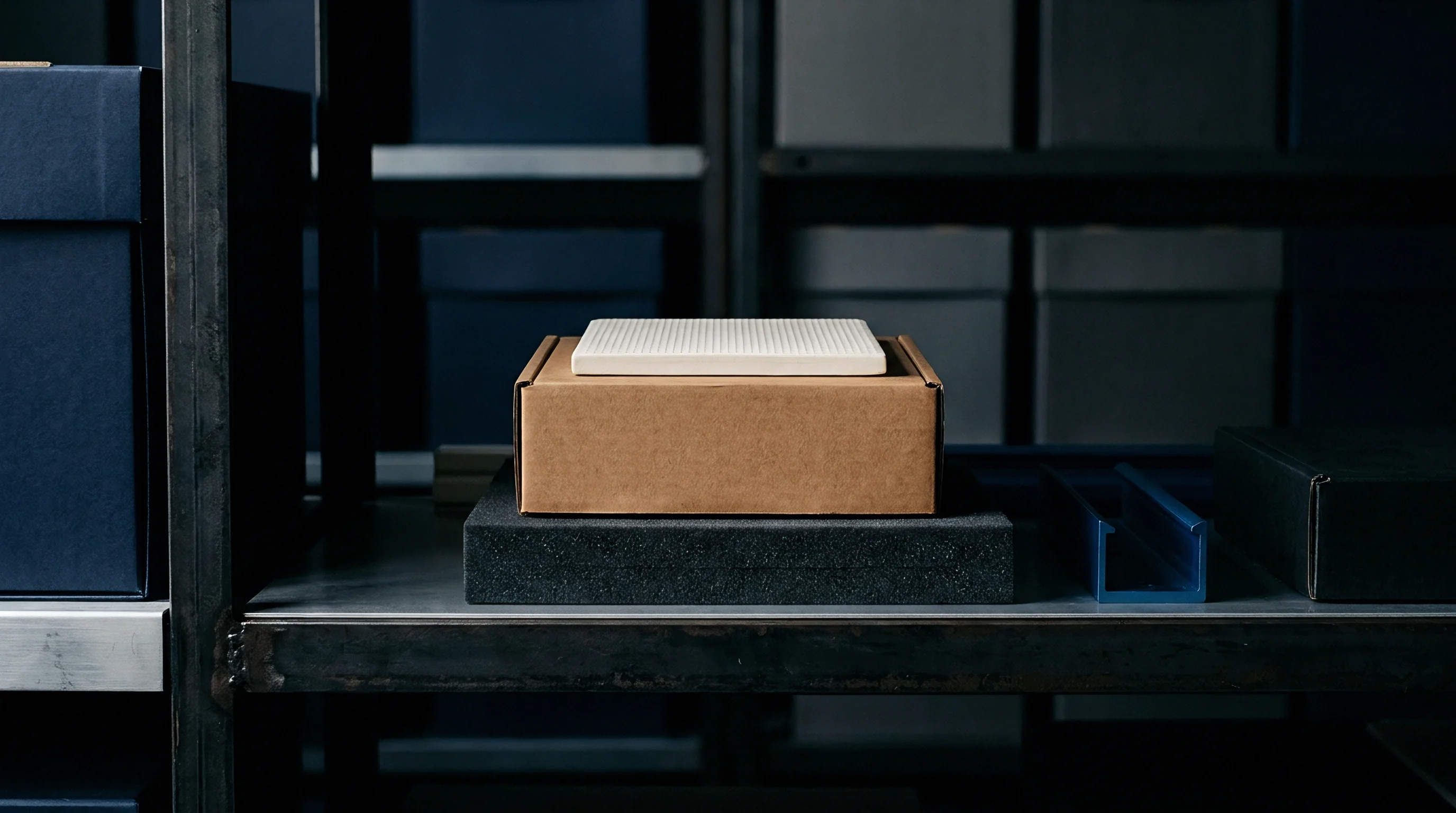
Crush
Heavy floor-level cases absorb static compression loads from full pallet stacks above them during warehousing and store-room storage before reaching the sales floor. Pack stress shifts by height. When merchandise sits on the lowest shelf of a retail fixture, structural demands change radically compared to middle-tier placements.
Packaging units on bottom shelves endure physical impacts from restocking carts, floor-cleaning equipment strikes, and direct compression from heavy overhead stocking routines. Store stocking teams frequently rest their weight or place additional inventory crates on bottom-shelf facings during shelf replenishment.
Bottom Tier Load Mechanics
Static mass sitting on the lowest packaging row causes wall buckling over prolonged shelf dwell times. Corrugated side walls and cartonboard corners suffer progressive creep deformation when held under continuous vertical loads. In retail environments, bottom shelves often host high-density, high-weight inventory items like bulk beverages, liquid detergents, and heavy canned goods.
When secondary packaging units stack three or four layers deep on a lower shelf, the bottom-most carton faces continuous structural loading. Over a sixty-day store display cycle, structural paper fibers relax, leading to creased corners, side-wall bulging, and crushed tuck-top flaps.
Night crews move fast. Restocking actions introduce dynamic shock forces that exceed static design tolerances by factors of three to five. A clerk dropping a twenty-pound shipping case onto a bottom display shelf transmits kinetic energy straight through the lower product packaging into the metal shelf base.
This repeated kinetic impact compromises structural glue joints, splits corner seams, and causes micro-fractures in interior plastic barrier liners long before a shopper touches the product.
- Primary packaging absorbs raw dropping impact when clerks unbox shipping cases directly onto lower metal shelves.
- Floor-level ambient dampness penetrates the outer kraft fibers of the carton base during daily store floor mopping routines.
- Secondary stacking of adjacent units places non-uniform side loads against structural box corners.
- Shopper boot strikes and shopping cart wheel impacts crush the front-facing panel, forcing immediate store markdown or return.
Floor dampness degrades paperboard fast. In store aisles, liquid cleaning agents and floor waxes periodically splash against bottom-shelf product facings. Moisture absorption drops the compression strength of corrugated and folding boxboards significantly.
Paper fibers lose their natural stiffness when relative humidity rises near the floor, accelerating creep failure under static load.
Corrugated packaging stored at ground level loses up to forty percent of its compression resistance when relative humidity at floor level reaches eighty percent.
Packaging design profiles calculated solely for transit compression fail on lower retail shelves. Transit tests model uniform vertical stacking inside shipping pallets, whereas retail bottom shelves subject individual primary cartons to point-loading, lateral shifting, and uneven weight distribution from adjacent items. Inadequate structural wall strength at floor height converts saleable stock into damaged returns, destroying category margins across high-density retail tiers.
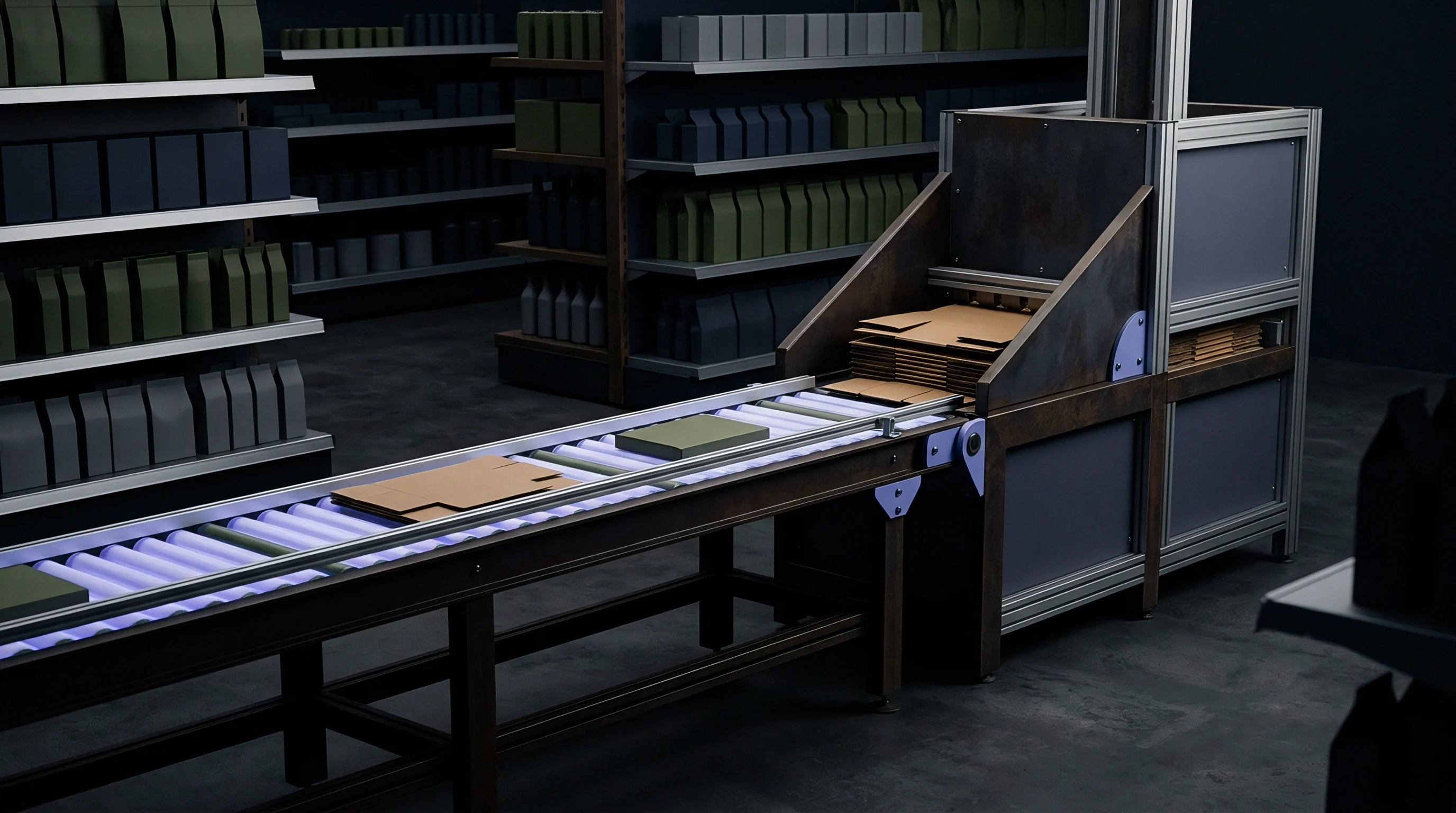
Gradient
Vertical temperature and moisture variances across an eight-foot store fixture alter paperboard strength and plastic seal integrity. Retail fixtures harbor microclimates. Air distribution within retail stores follows physical thermal dynamics, creating distinct environmental zones between the floor and the highest display shelf.
Warm air rises toward ceiling fixtures, while cold air settles near tiled floors. Lighting fixtures mounted under individual shelf tiers or situated directly overhead introduce continuous radiant heat onto top-shelf inventory.

Thermal and Moisture Distribution
Upper display levels maintain constant exposure to thermal overhead radiation emitted by commercial lighting fixtures. Heat collects near ceiling lights. Surface temperatures on top-shelf packaging can run five to ten degrees Celsius higher than ambient store mid-room measurements.
Heat drives off essential moisture bound within paperboard cellulose structures, causing packaging boards to become brittle, warp, or suffer adhesive bond embrittlement. Conversely, lower shelf levels remain trapped in cold, stagnant air zones where relative humidity climbs elevated percentages above room average.
| Planogram Elevation | Temperature Offset | Relative Humidity Offset | Primary Failure Mode |
|---|---|---|---|
| Top Tier (Above 72 in) | +4.5 to +8.0 deg C | -12 to -18 percent | Adhesive embrittlement, board warping, print fade |
| Eye Tier (48 to 72 in) | +0.5 to +1.5 deg C | Standard ambient | Surface scuffing, flap delamination, handling wear |
| Mid Tier (30 to 48 in) | -0.5 to +0.5 deg C | +2 to +5 percent | Lateral squeeze deformation, tuck-flap tear |
| Bottom Tier (0 to 30 in) | -2.0 to -4.5 deg C | +10 to +22 percent | Flute softening, base compression, liquid absorption |
| Data reflects field sensor measurements taken across standard 96-inch gondola fixtures over 72-hour retail store operational cycles. | |||
Moisture absorption rates differ radically between planogram positions. High humidity at ground level softens paper fibers, weakening corrugated flutes and causing carton walls to yield under light loads. At top shelf levels, low relative humidity dries out water-based laminating glues, causing hot-melt adhesive seams on folding boxboard cartons to pop open spontaneously during shelf storage.
Upper shelf elevations dry out paperboard fibers while floor placements accelerate moisture uptake in corrugated flutes.
Air currents generated by store HVAC supply vents create micro-drafts that strike upper shelves directly. These continuous dry air streams desiccate film packaging, causing flexible barrier pouches to lose plasticizer flex, which leads to pinhole fractures along bag seals. Factory account teams frequently claim that ambient store HVAC systems maintain uniform atmospheric conditions across all vertical display planes.
Abrasion
Consumer contact rates peak heavily between shoulder height and hip level, subjecting trade packaging to repeated friction, squeeze stress, and drop fatigue. Shoppers touch goods repeatedly. Planogram positions located between forty-eight and sixty-six inches from the store floor capture the highest proportion of visual attention and physical interaction.
Products positioned in this primary sightline suffer significantly higher handling frequencies than items assigned to top or bottom shelves.
What Physical Stress Strikes Eye Level Products?
Shoppers pull cartons from eye-level shelf positions up to seven times before a single purchasing decision converts. Each handling event subjects the package to skin oil transfers, fingernail scratches, lateral thumb pressure, and abrasive contact with adjacent store inventory. When a consumer inspects a package and returns it to the shelf, the item experiences friction against metal shelf dividers or neighboring product facings.
Over a multi-week shelf residence, this high-frequency touch cycle strips decorative overprint varnishes and scuffs delicate foil-stamped branding graphics.
Surface Scuffing and Flexure
Friction between adjacent pack facings strips protective varnishes and smudges flexographic ink coatings during shelf loading. Cosmetic fatigue drives store returns. Outer packaging materials placed at eye level demand superior surface rub resistance compared to identical products slated for lower display placements.
Squeezing flexible pouches or thin-walled folding cartons deforms structural creases, causing micro-cracking in exterior varnish layers and creating visible white stress lines along deep score folds.
- Flap Delamination occurs when shoppers repeatedly catch finger edges under top tuck closures during inspection.
- Varnish Scuffing strips protective gloss coatings from primary brand logos through repeated sliding against shelf channels.
- Window Puncture breaks thin clear film membranes when consumers exert thumb pressure to gauge product texture.
- Crease Cracking exposes underlying white paper fibers along folded carton edges subjected to repeated flexure.
Dropping hazards increase at mid-tier elevations. Shoppers attempting to extract a product from a tight three-facing display frequently dislodge adjacent packages, causing them to fall onto metal lower shelf lips or floor surfaces. Impact damage from waist-height drops causes immediate corner crushes, dented metal can rims, or fractured plastic caps.
The exact threshold where cosmetic shelf wear triggers consumer rejection remains unquantified across impulse grocery categories.

Penalty
Retail account statements document substantial chargeback lines for stock rendered unmerchantable by physical carton fatigue. Unsold goods yield heavy losses. Deduction managers track damages through precise trade deduction codes attached to monthly accounts payable remittances.
When packaging fails to withstand physical stress at its designated planogram height, retailers classify the damaged units as unsaleable inventory, shifting full commercial loss straight back to the brand owner.

Deduction Line Item Mechanics
Financial reconciliations reveal that major grocery chains automatically deduct damaged carton costs directly from monthly supplier invoices. Chargebacks erode supplier profit margins. Retailers apply broad unsaleable allowances ranging between one and three percent of gross billings, but physical damage exceeding baseline allowances results in direct chargeback debit memos.
Packaging units degraded by vertical positioning forces get swept into reclamation centers, where automated systems catalog damaged bar codes and bill suppliers for item cost, handling fees, and disposal surcharges.
| Damage Classification | Physical Indicator | Average Deduction Rate | Contract Clause Reference |
|---|---|---|---|
| Crushed Floor Base | Corner crease buckle, bottom flute collapse | 100% item cost + $0.45 processing fee | Section 8.1 Unsaleable Reclamation |
| Eye-Level Cosmetic Scuff | Varnish rub-off, print smudge, torn window | 50% salvage markdown penalty | Section 12.3 Merchantability Standard |
| Top-Shelf Heat Open | Flap glue failure, seam seal separation | 100% item cost + freight disposal charge | Section 9.4 Defective Packaging Clause |
| Handling Drop Dent | Fractured closure, dented metal rim | 100% item cost + full slotting clawback | Section 14.2 Store Level Damage Fee |
Deduction codes vary by account. A vendor shipping identical folding boxes to three national retail chains faces three distinct financial chargeback architectures for vertical packaging deterioration. Distinguishing between genuine transit damage and store-level planogram deterioration requires physical audit sampling at retail store backrooms.
- Floor Shelf Specing requires selecting heavy corrugated board grades capable of sustaining sixty-pound vertical static loads under eighty percent humidity conditions.
- Eye Level Scuff Resistance mandates utilizing UV-cured overprint varnishes rated for minimum fifty Sutherland rub cycles to withstand high consumer contact.
- Top Shelf Heat Resistance demands specifying high-tack, high-temperature hot-melt adhesives with soft-point metrics exceeding seventy-five degrees Celsius.
Relying on standard retail damage waivers leaves suppliers exposed to uncapped chargebacks when planograms place heavy products on unsuitable shelf elevations. Modern distribution agreements explicitly link vendor damage liabilities to shelf placement parameters agreed upon during planogram mapping. Incorporating Section 14.2 of the General Vendor Agreement caps unsaleable deduction claims at one point five percent of gross invoice value, shifting structural store-handling risks back to the retailer.
Standard vendor master agreements transfer full financial liability for packaging-related retail unsaleables to the supplier through automated invoice deductions.

Board
Substrate engineering choices determine whether folding boxboard and corrugated fluting survive vertical placement hazards on retail fixtures. Stronger fluting stops carton crush. Packaging designers configure material specifications according to the highest-stress position an item might occupy within a multi-tier planogram layout.
Specifying uniform, low-grade paperboard across an entire product line creates systematic vulnerability whenever stock keeping units get rotated from eye-level slots down to bottom shelves.
Substrate Specification Adjustments
Packaging engineers modify paperboard basis weight to resist compression forces present in lower tier shelf slots. Outer coatings block shelf humidity. Upgrading folding boxboard from a three-hundred-micron solid bleached sulfate board to a four-hundred-micron coated unbleached kraft board increases vertical compression resistance by over forty percent.
Unbleached kraft fibers offer superior structural stiffness, resisting moisture absorption in high-humidity floor zones where standard recycled boxboards fail.
Correct substrates preserve product value. Adding structural strength at the board level eliminates the need for expensive secondary plastic trays or wire shelf supports. For corrugated shipping displays and shelf-ready packaging, changing flute profiles from standard C-flute to heavy-duty micro-flute combinations like EB-flute doubles side-wall crush resistance while preserving high-resolution print surface smoothness on front facings.
Increasing boxboard basis weight by twenty grams per square meter eliminates structural compression failure on bottom retail shelves.
Coating and Flute Selection
Water-based acrylic coatings prevent moisture absorption while maintaining recyclability across high-humidity retail floor zones. Overprint varnishes applied to eye-level product cartons require cross-linked polymer formulations that resist rubbing, human skin oils, and scratching from fingernails. Applying UV-cured gloss coatings over flexographic inks locks pigment particles in place, maintaining brand visual integrity even after hundreds of shopper interactions.
Structural box modifications reinforce critical stress points without requiring complete board re-engineering. Incorporating crash-lock bottoms with reinforced corner posts distributes downward weight evenly across the entire base perimeter, preventing center seam blowout on heavy bottom-shelf items. Matching packaging paperboard specs directly to planogram height prevents retail deductions long before merchandise reaches distribution centers.