Meaning
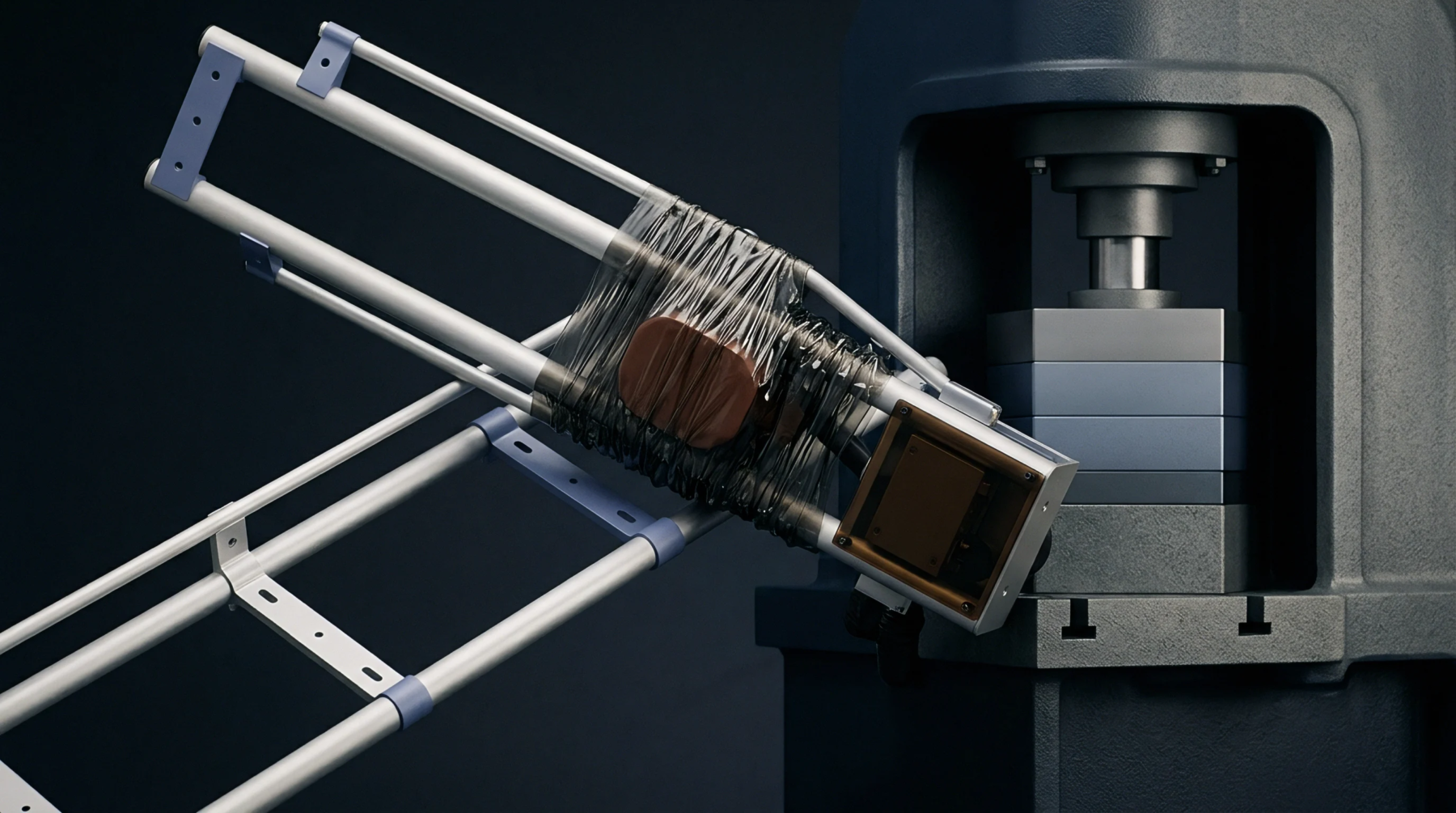
The rotational force required to initiate the movement of a closed valve ball or plug represents a critical specification in actuator selection. This measurement, termed breakout torque, determines the size of the actuator that must be coupled to the valve to ensure reliable operation under maximum design pressure. If the actuator lacks the capacity to overcome this initial resistance, the valve remains stuck in the closed position during a critical system start.
Actuator Matching
Industrial distributors must verify the starting torque requirements of a valve assembly before shipping completed units to a field site. The breakout torque dictates the torque output profile of the selected pneumatic or electric actuator. Manufacturers specify these values based on clean water tests, but actual process fluids increase the friction over time.
Distributing a mismatched pair leads to operational delays and costly field replacements.
Contractual Limit
Supply agreements in the petrochemical sector specify maximum limits for valve friction to protect the buyer from underpowered actuator packages. The breakout torque constitutes the primary metric for accepting or rejecting a batch of valves during factory testing. When the tested force exceeds the agreed threshold, the supplier must rework the seats to reduce friction.
Failure to meet this standard violates the delivery contract and triggers liquidated damages.
Frictional Growth
Prolonged periods of inactivity in harsh chemical environments cause the internal seat materials to cold flow against the closure element. This stagnation increases the force needed to open the valve beyond the initial factory measurements. Operators apply a safety factor to the baseline torque to account for this long-term increase.