Meaning
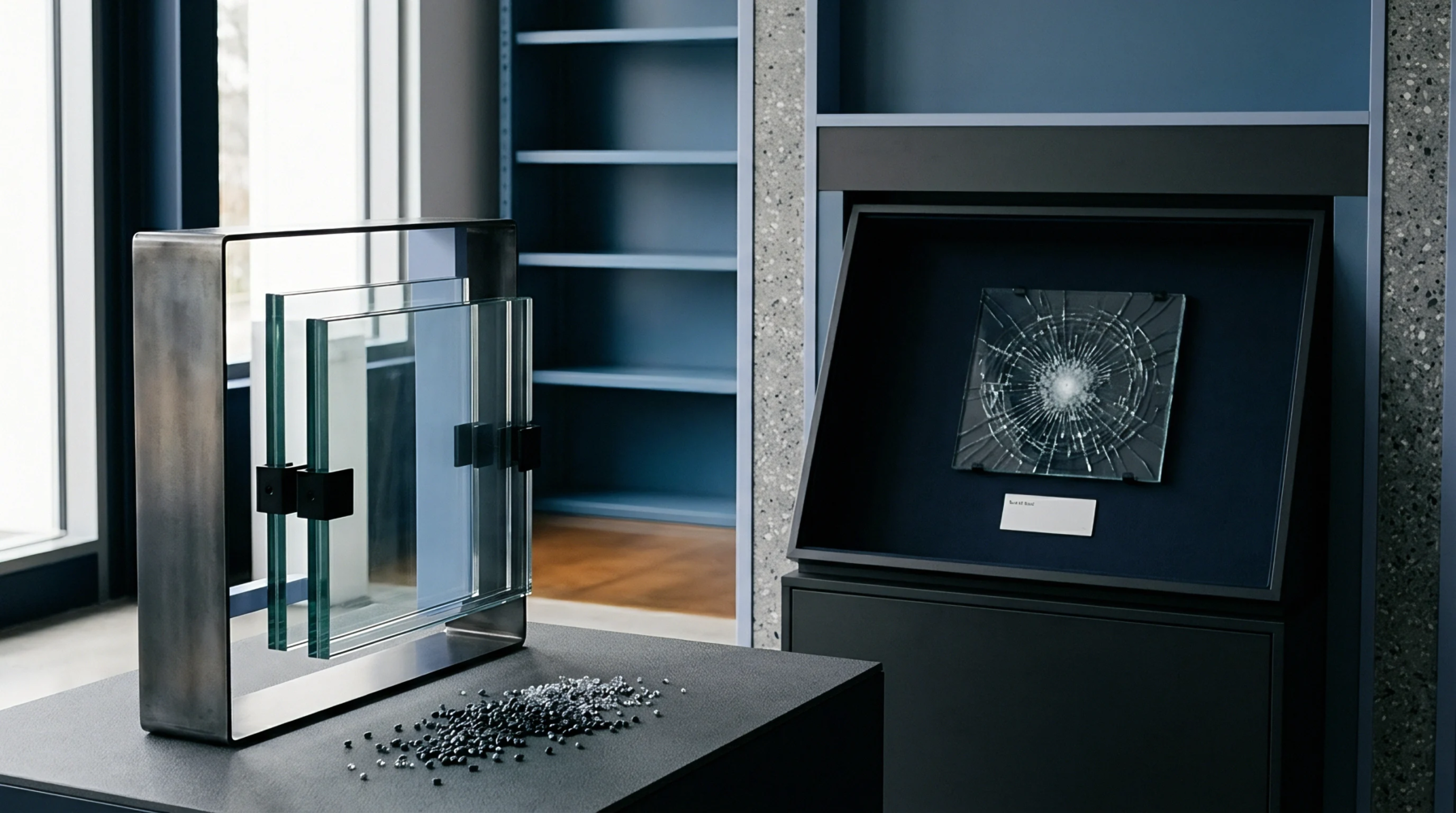
Structural failure in composite materials often begins with the separation of internal reinforcement layers under repeated mechanical or thermal loading. The rate of delamination growth indicates how quickly these internal cracks expand and threaten the load-bearing capacity of the component. This behavior is a primary concern in the maintenance of aircraft wings and wind turbine blades.
Material Performance
Component life decreases as the internal separation of layers progresses under stress. As delamination growth accelerates, the composite structure loses its stiffness and becomes susceptible to sudden buckling. This degradation is monitored through regular non-destructive evaluation to prevent catastrophic failures.
Field Maintenance
Scheduled inspections use specialized sensor arrays to track the size of these internal defects over time. If the recorded delamination growth exceeds the manufacturer’s specified limits, the component must be removed from service for repair or replacement. These maintenance actions are scheduled during planned downtime to minimize operational disruption.
Contractual Warranty
Liability for composite failures depends on whether the material defect was caused by manufacturing errors or operational abuse. Standard purchase agreements for composite structures often exclude coverage if delamination growth is accelerated by operation outside specified temperature or load limits. This exclusion protects the manufacturer from claims resulting from improper handling by the end user and encourages the buyer to adhere strictly to the operating guidelines.