Stress Relaxation Limits in Conductive Epoxy Resonator Mounting Assemblies
Isotropic conductive epoxies relax shear stress exponentially, shifting resonator frequency unless cured above glass transition temperature limits.
Isotropic conductive epoxies relax shear stress exponentially, shifting resonator frequency unless cured above glass transition temperature limits.
Continuous thermal sweeps at 0.1 °C/min reveal sub-zero activity dips in AT-cut crystals that discrete step measurements miss, preventing avionics clock loss.
Predictive 25°C electromechanical parameter extraction eliminates sub-zero thermal ramp testing by accurately modeling low-temperature resonator frequency drift.
Sub-zero frequency drift in AT-cut resonators stems from third-order polynomial mechanics and cut-angle offsets, requiring strict chamber moisture purges.
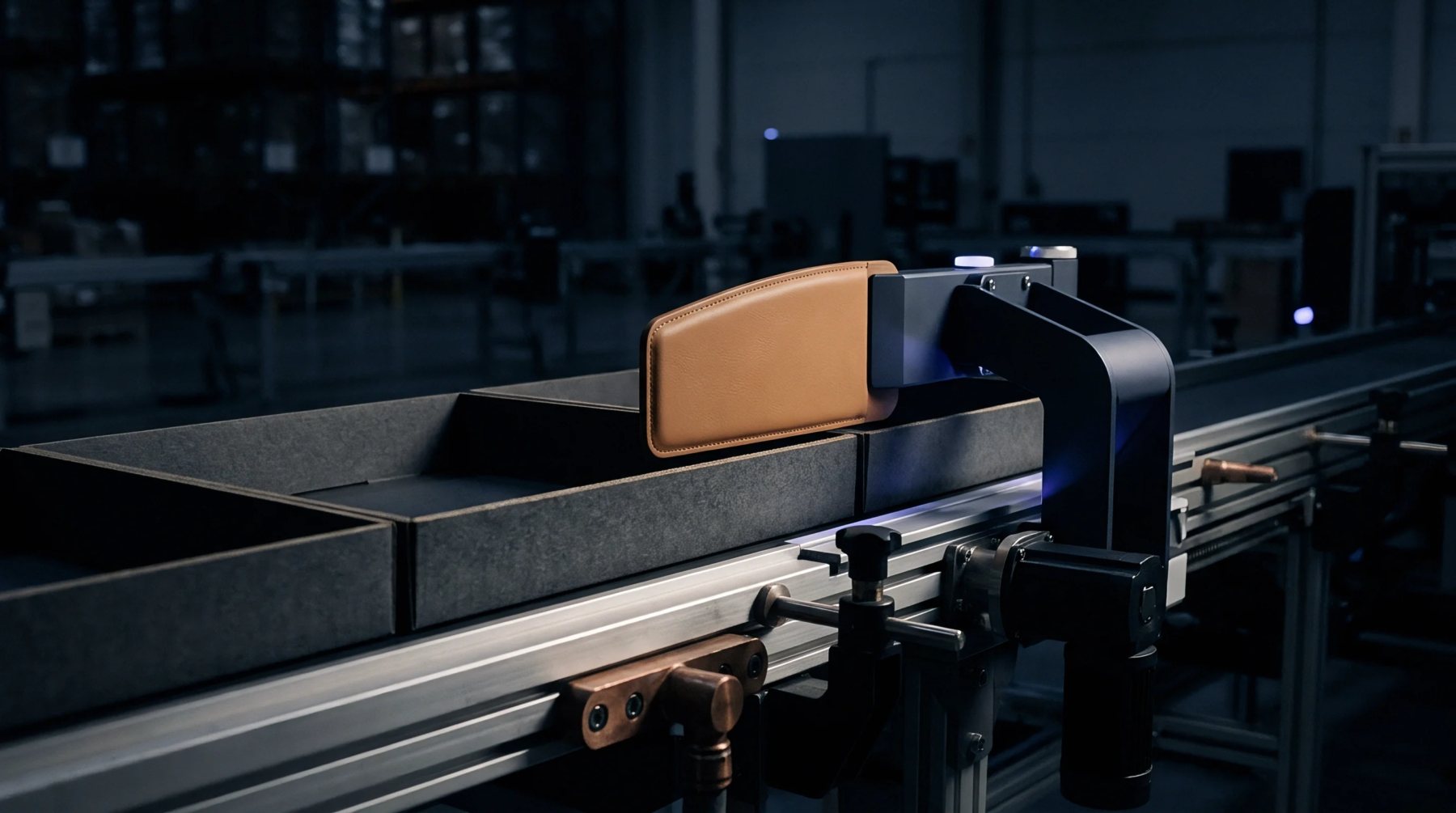
Low-temperature micro-mechanical hysteresis in quartz enclosures stems from solder micro-creep and is quantified via differential interferometric frequency mapping.
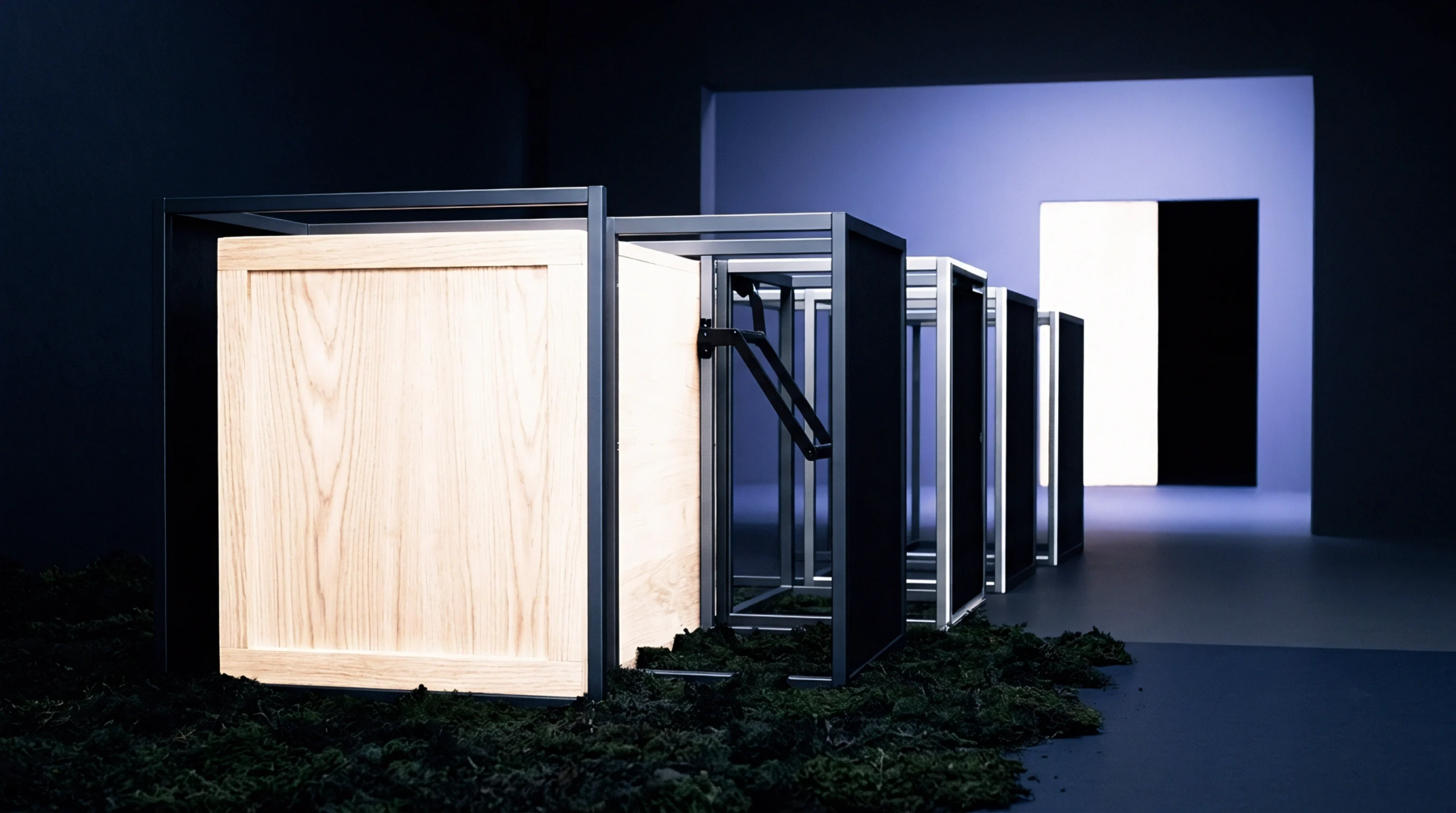
Sub-zero crystal frequency measurement requires continuous nitrogen-purged thermal sweeps below 0.5°C per minute to isolate intrinsic shift from activity dips.
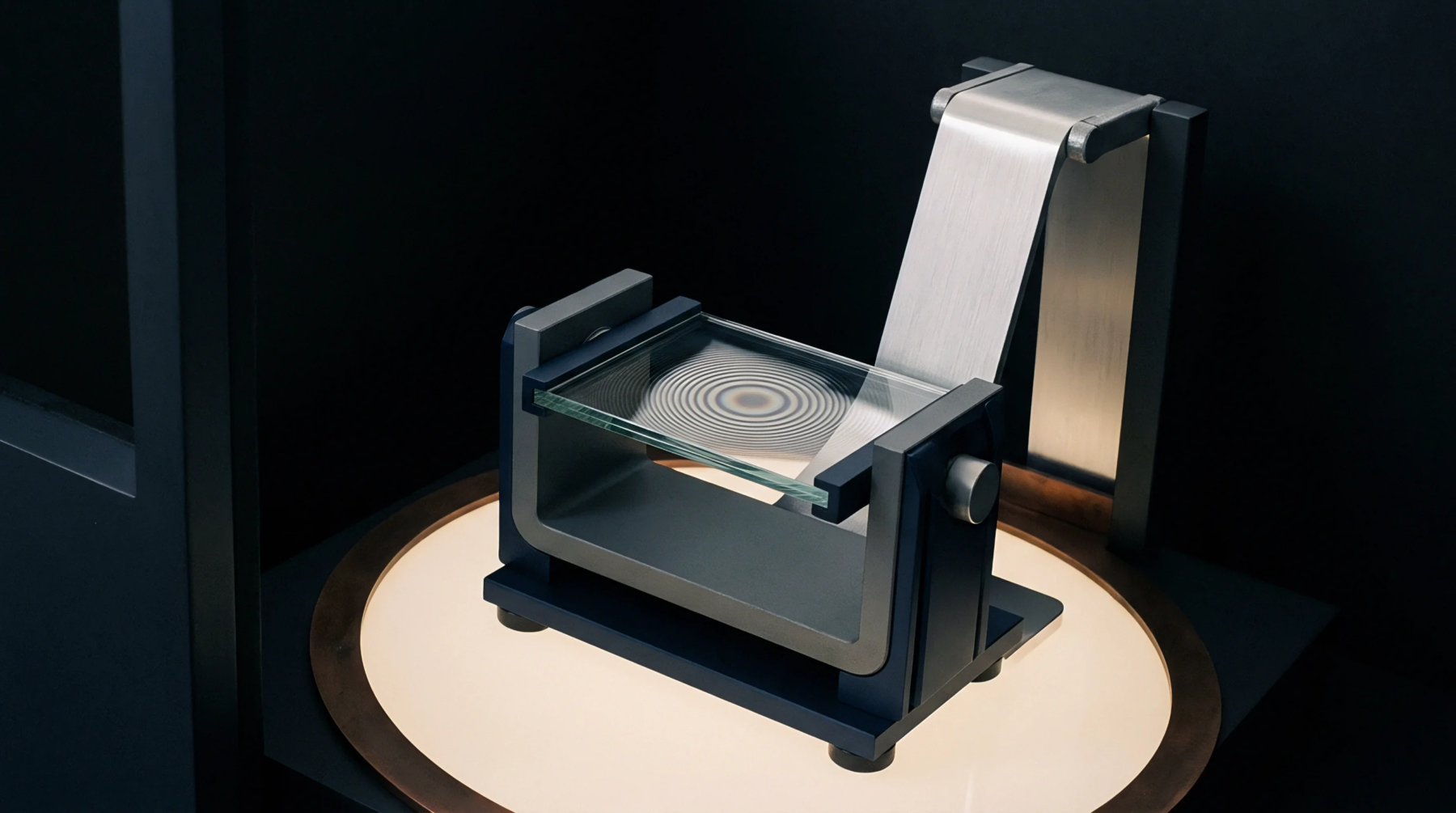
Resolving quartz drift in sub-zero telemetry loggers requires pairing SC-cut or polynomial-compensated TCXO timebases with continuous low-power temperature sensing.
Expertise is a utility, not a secret. sentiention™ publishes its working knowledge as open reference: intelligence layer covering the materials it sources, the markets it enters, and the reference that serves both.