Meaning
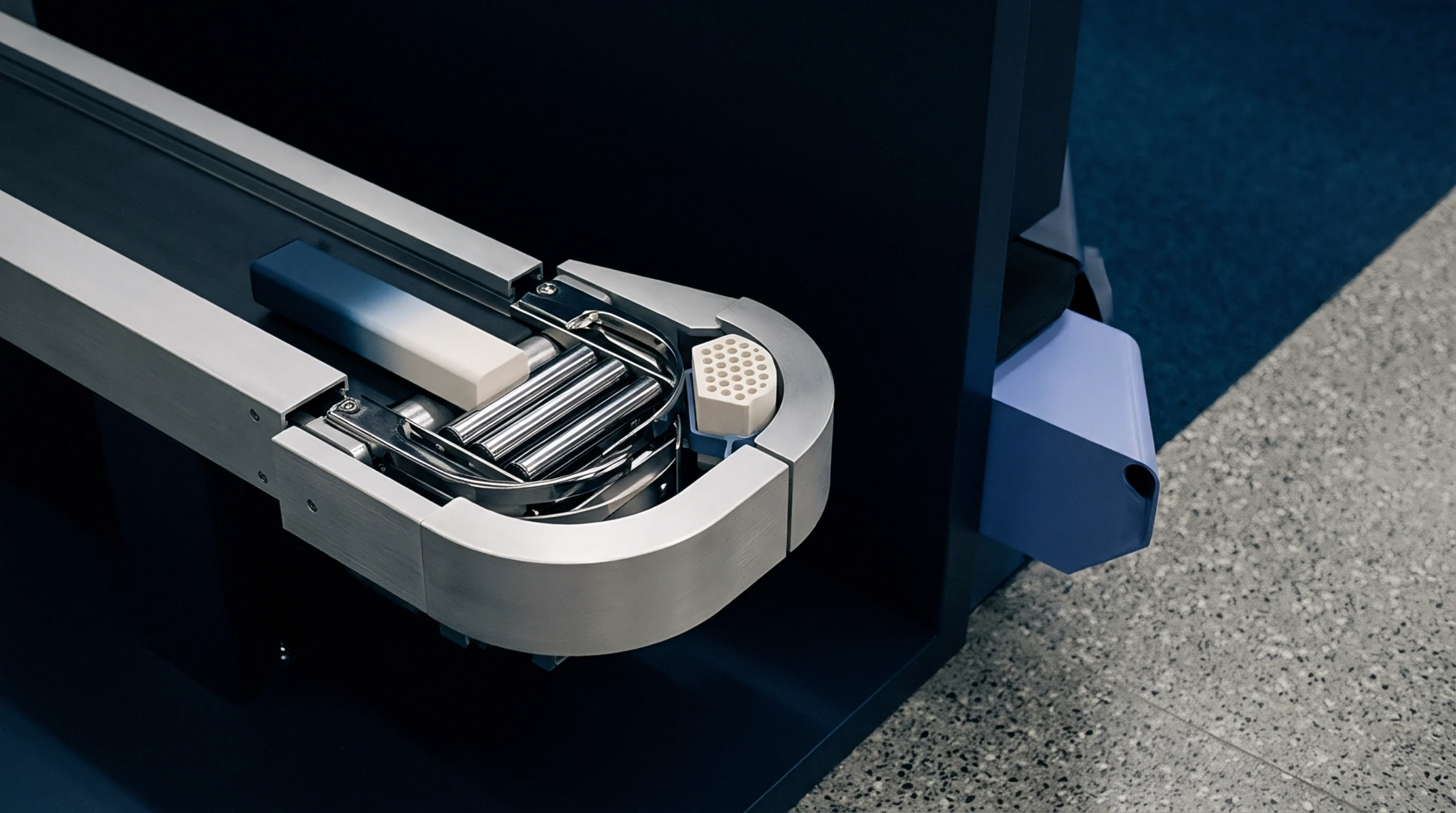
Periods during which production machinery or logistics vehicles are inactive due to scheduled maintenance or unexpected failure. In manufacturing agreements, equipment downtime directly affects output capacity and distribution timelines. Contracts often establish acceptable limits for these operational pauses to prevent supply chain bottlenecks.
Monitoring these inactive periods helps facility managers identify systemic mechanical issues before they lead to costly factory stoppages and broken agreements.
Financial Impact
Lost production hours during a machine failure reduce the volume of goods available for shipment. This shortage can trigger late delivery penalties under retail supply contracts. The resulting losses include both the cost of emergency repairs and the missed revenue from unfulfilled orders.
Maintenance Schedule
Predictive servicing of machinery reduces the risk of unexpected operational stoppages. Maintenance teams schedule routine checkups during low demand hours to minimize the impact on daily output. This preventative strategy extends the lifespan of the hardware and ensures that production lines remain efficient.
Operational Buffer
Inventory reserves act as a shield against the disruption caused by machine failures. Holding safety stock allows the distribution team to fulfill orders even when a primary production line is offline. This preparation keeps the distribution channel flowing and maintains customer trust during mechanical emergencies.