Meaning
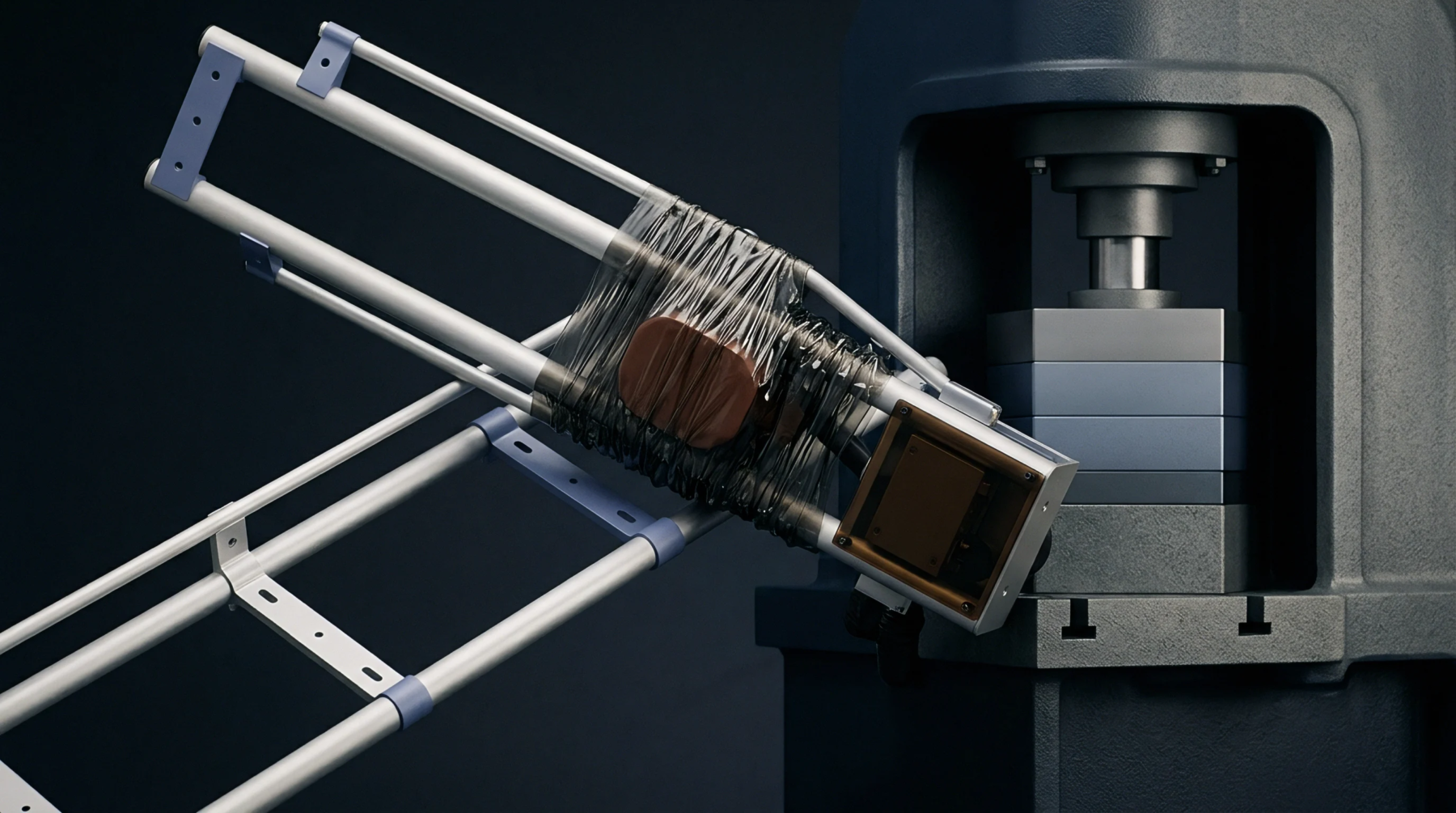
Thermal performance testing determines the limit at which a plastic material begins to deform under a specific mechanical load. The heat deflection temperature is the temperature at which a standard test bar deforms by a specified distance when subjected to a flexural stress of either 0.45 or 1.80 megapascals while being heated at a uniform rate. This metric provides a comparative guide for selecting plastics that can maintain their shape in warm environments.
It does not predict long-term resistance to high temperatures.
Thermal Load
Mechanical components must withstand environmental and operational heating without losing their shape. During transport, plastic parts inside shipping containers can experience temperatures up to seventy degrees Celsius, which can exceed the deflection temperature of low-grade resins. If the deflection threshold is exceeded, the parts will warp, bend or lose their tolerances, rendering them unusable.
Engineering teams must specify materials with a deflection temperature well above the maximum expected shipping and storage temperatures.
Polymer Stiffness
Material formulation determines how a plastic responds to the combined effects of heat and pressure. Adding glass fibers or mineral fillers increases the stiffness of the polymer and raises its heat deflection temperature. This reinforcement allows cheaper resins to be used in demanding structural applications.
Material Specification
Procurement contracts for industrial components include this thermal threshold to ensure material consistency. Suppliers must provide batch certificates showing that the delivered plastics meet the minimum deflection temperature. This check prevents the use of substandard materials that could fail in the field.