Meaning
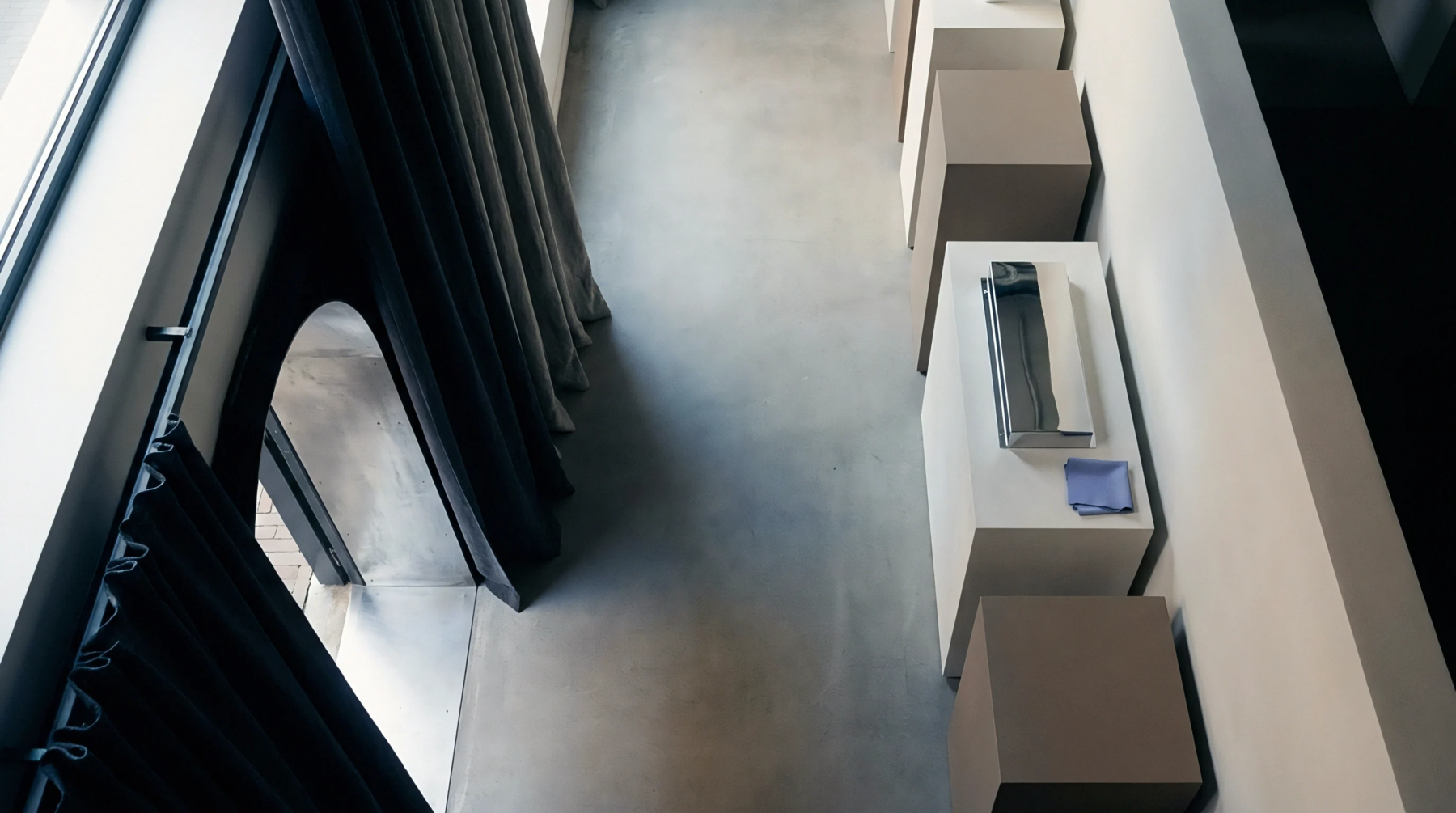
Intense light energy projected onto retail displays by specialized illumination fixtures to enhance the visibility and appeal of exhibited goods. This optical factor influences the rate of product degradation and packaging fading within retail environments. It determines the environmental exposure limits that products must withstand during their shelf life.
Packaging Endurance
Distribution and supplier agreements often mandate that packaging materials be tested against high display irradiance to ensure they do not fade prematurely. When packaging cannot withstand this exposure, the visual branding degrades, making the product less attractive to consumers and harming sales velocity. Suppliers select materials and ink formulations that resist these light levels to maintain retail appeal.
Supply Agreement Compliance
Retail contracts require that products remain in pristine condition for a specific duration under typical store lighting. If the high display irradiance in modern retail stores causes rapid degradation or chemical changes in the product, the retailer has the right to return the affected inventory. These return conditions protect the retailer’s gross margin and shift the risk of light-induced damage back to the manufacturer.
Material Testing
Laboratory simulations expose packaging to concentrated light sources to evaluate the long-term effects of display environments. This process ensures that new designs do not fail during commercial rollouts in bright stores. This testing is completed before the production stage begins.