Thermoplastic Composite Airframe Aerothermal Testing Fundamentals
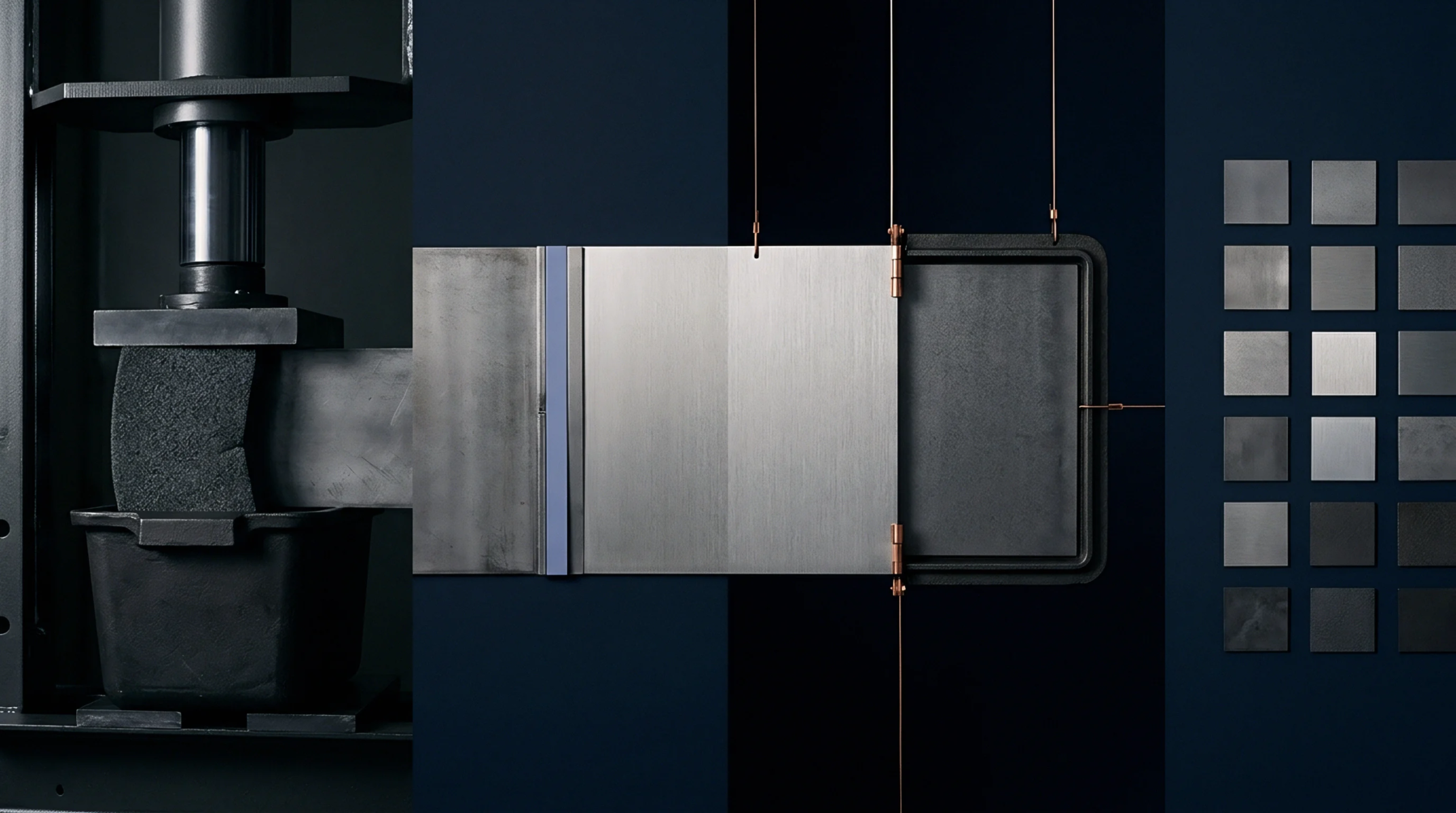
Ground aerothermal testing of thermoplastic airframe skins requires coupling high enthalpy heat flux with dynamic shear to prevent unmodeled surface regression.
Low melting polyaryletherketone thermoplastic resin formulated for lower processing temperatures provides high mechanical strength alongside reduced consolidation thermal budgets. The utilization of an lmpaek structural matrix enables fast cycle times during out-of-autoclave composite manufacturing while preserving environmental resistance and flame retardancy. This material class defines structural performance for composite brackets, primary ribs, and aircraft skin panels requiring high impact toughness.
The resin designation stops applying if polymer chain modifications suppress the ether-ketone backbone or eliminate semicrystalline morphology.
Lowering processing temperatures by twenty to forty degrees Celsius below standard polyetheretherketone matrices prevents thermal degradation during rapid stamping and consolidation cycles. Incorporating an lmpaek structural matrix preserves high fracture toughness and chemical resistance against aviation fuels, de-icing solutions, and hydraulic fluids. The lower melting threshold permits automated fiber placement with in-situ consolidation, reducing electrical energy requirements during fabrication.
Semicrystalline morphology develops rapidly upon cooling, locking in high modulus alongside solvent resistance. Advanced aerospace components fabricated with this resin exhibit minimal porosity and high resistance to microcracking under repetitive fatigue cycling.
Raw material distribution agreements for advanced polyaryletherketone polymers govern strict regional exclusivity territories across aerospace manufacturing zones. Authorized distributors handling an lmpaek structural matrix must meet demanding technical service obligations, including raw material traceability and climate-controlled storage protocols. Distributor margin targets reflect the technical investment needed to support customer tooling optimization and stamp-forming line setup.
The nominal catalog list price applies solely to pelletized or unidirectional tape supply, while true landed cost incorporates cleanroom packaging, specialized refrigerated shipping, and batch qualification certificates. Distribution contracts impose strict minimum annual sales quotas, and failing to achieve them forfeits regional exclusivity rights back to the chemical manufacturer.
High-volume procurement contracts for pre-impregnated tapes utilize indexed pricing frameworks linked directly to base resin production volumes. When purchasing lmpaek structural matrix unidirectional tape, composite aerostructures manufacturers negotiate multi-year supply commitments to hedge against petrochemical precursor price volatility. Master supply agreements clearly decouple initial material sales commitments from downstream technical application support obligations, which require separate service agreements.
Should delivered resin batches show non-conforming melt viscosity or delayed crystallization rates during incoming mechanical screening, suppliers face mandatory batch replacement and production stoppage penalties. Standard agreements limit supplier liability to invoice replacement values, shielding the material producer from downstream airframe assembly delays. The performance profile of lmpaek structural matrix drives modern automated composite processing economics by reducing cycle times without sacrificing mechanical margins.
Ground aerothermal testing of thermoplastic airframe skins requires coupling high enthalpy heat flux with dynamic shear to prevent unmodeled surface regression.
Expertise is a utility, not a secret. sentiention™ publishes its working knowledge as open reference: intelligence layer covering the materials it sources, the markets it enters, and the reference that serves both.