Meaning
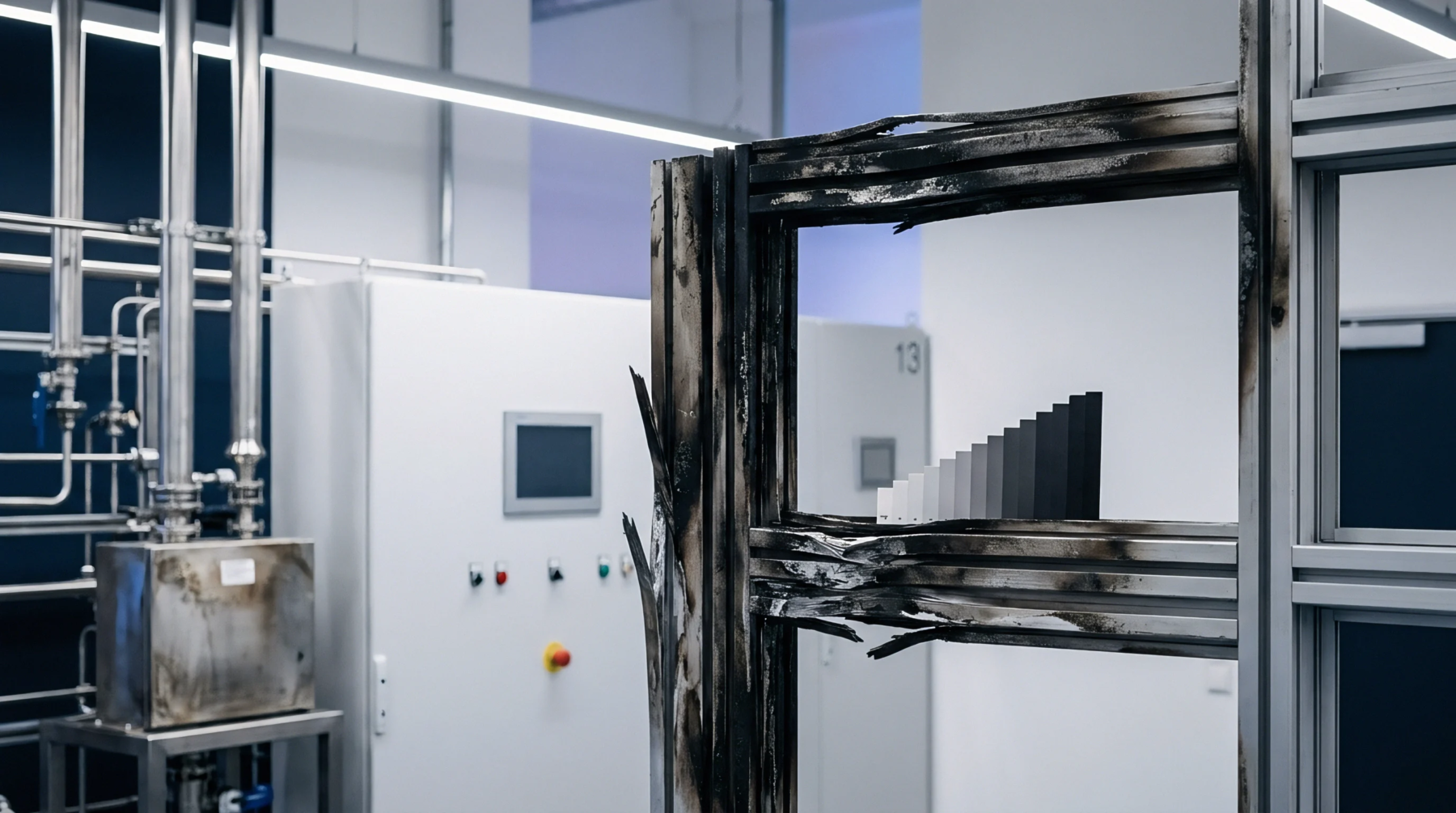
The progressive structural damage that occurs when metal components are subjected to repeated cyclic loading represents a primary source of mechanical failure in industrial machinery and manufactured goods. This process of metallurgical fatigue can lead to sudden, catastrophic failures even when the applied stresses are well below the material’s ultimate tensile strength. It is a major focus of product liability and warranty frameworks in distribution agreements.
Warranty Liability
Distribution agreements for heavy machinery or industrial equipment must clearly define the allocation of liability for failures caused by metallurgical fatigue. If a component fails prematurely due to poor manufacturing or sub-standard materials, the supplier is typically obligated to replace the parts and compensate the distributor for any associated service costs. These contracts often set a specific limit on the warranty period, after which the burden of component wear shifts entirely to the buyer.
Landed Cost
The risk of early structural failures forces distributors to hold extra replacement parts in local warehouses, increasing their inventory carrying costs. This requirement raises the landed cost of the equipment and reduces the net margin on sales.
Service Obligation
Maintenance and support contracts usually stipulate that the distributor must perform regular non-destructive testing on high-stress metallic parts. These tests help identify micro-fractures before they result in complete failure of the equipment. Failure to adhere to these maintenance schedules can invalidate the manufacturer’s warranty and release the supplier from any liability.