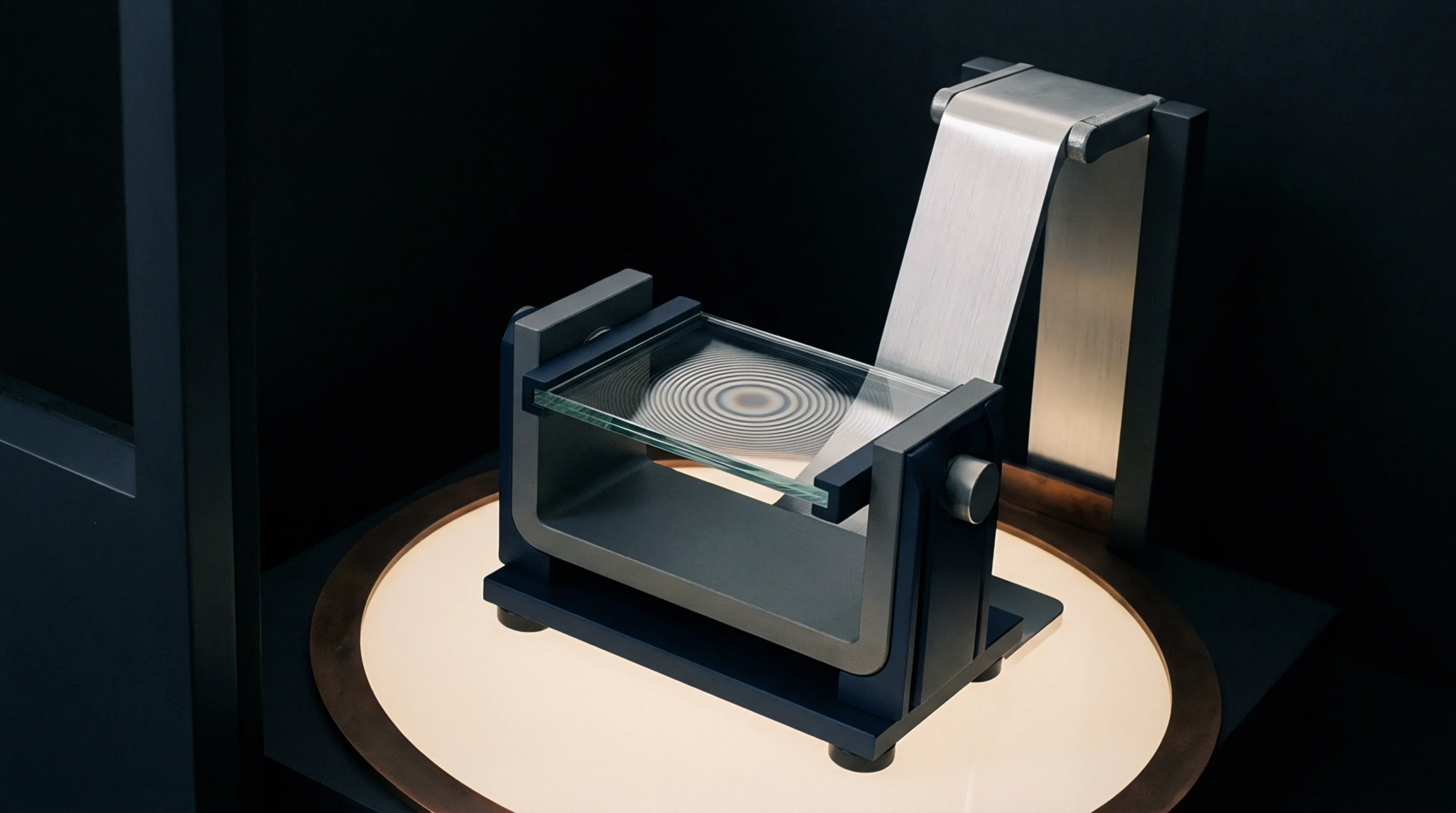
Meaning
Intensity-dependent alteration of a material refractive index occurring under high-power optical radiation, where local optical path length varies as a function of beam irradiance. In high-energy laser design and commercial optical glass supply agreements, non-linear refraction causes self-focusing, spatial beam breakup and phase distortion within transmissive optics. The optical response is characterized by the non-linear refractive index coefficient, which dictates beam behavior in high-power optical paths.
The effect stops governing propagation when laser beam intensity remains below the non-linear threshold of the medium.
Contractual Specification
Optical material procurement contracts for laser systems establish strict maximum limits for intensity-dependent index coefficients. Buyers specify non-linear refraction thresholds to prevent spatial intensity spikes that damage downstream optical coatings. Material testing protocols require standard z-scan measurements or optical interferometry to verify supplier compliance prior to shipment.
Rejection of glass melt lots occurs when non-linear coefficients exceed agreed contract limits.
Performance Liability
Damage liabilities in commercial laser system supply contracts depend on operational peak power limits and beam quality parameters. System integrators require optical component manufacturers to guarantee that non-linear refraction will not induce self-focusing damage within defined operational envelopes. Exceeding contracted pulse energy or peak intensity voids manufacturer warranty claims for damaged focus lenses or gain media.
Maintenance contracts specify periodic wavefront distortion testing to detect cumulative material changes.
Landed Cost Impact
Specialized glass formulations designed to minimize non-linear response increase baseline raw material unit prices. High-energy laser builders balance material costs against downstream damage replacement expenses.