Meaning
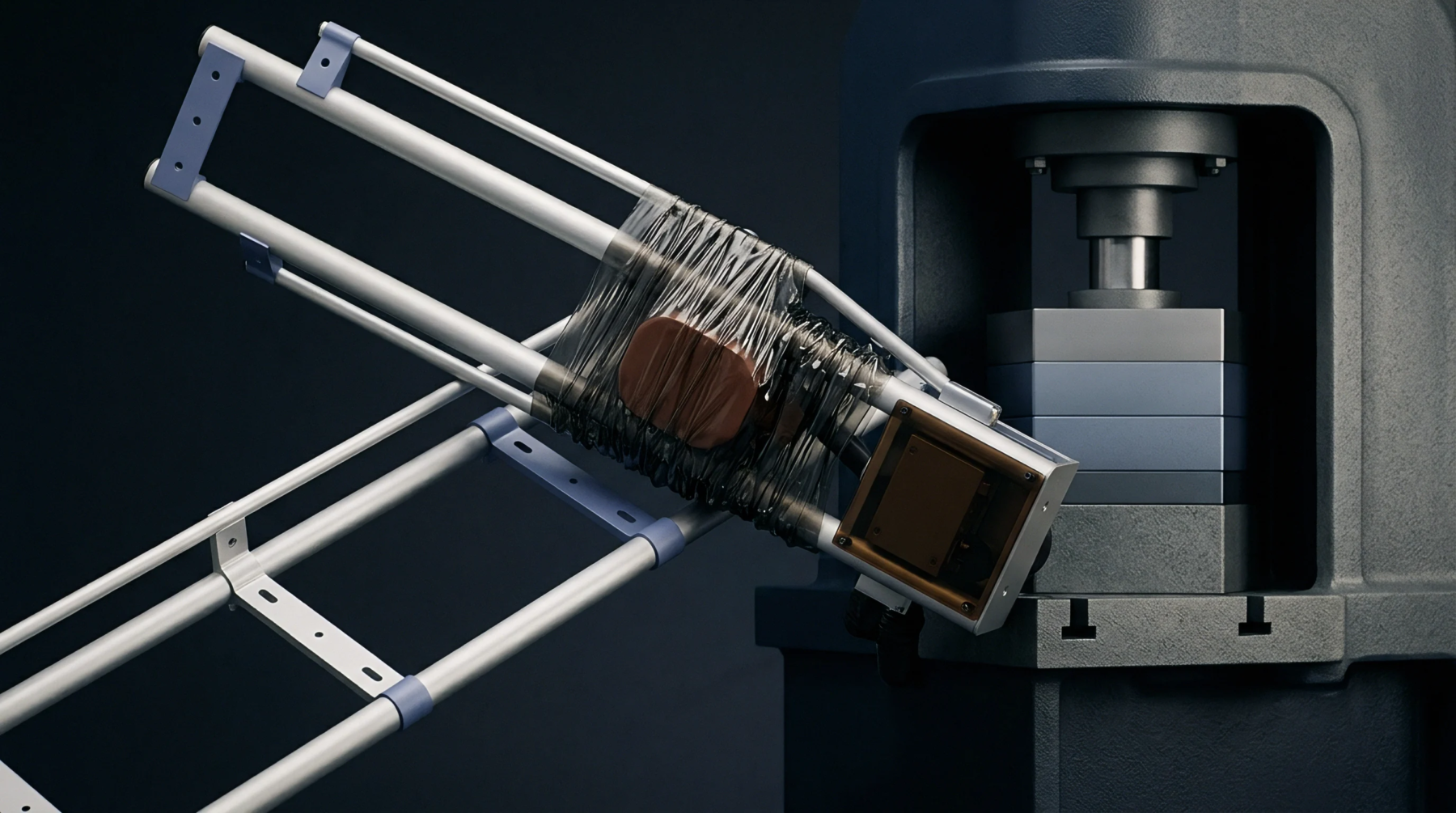
Reciprocating mechanism converts linear piston movement into quarter-turn rotary torque with maximum mechanical advantage generated at the stroke ends. Industrial quarter-turn valve actuators often incorporate a scotch yoke to match the high breakaway torque requirements of ball and butterfly valves. Procurement frameworks specify torque output curves across ninety degrees of rotation to ensure proper alignment with valve seating characteristics.
The kinematic structure excludes multi-turn gearboxes and linear-only drive mechanisms.
Torque Profile
Mechanical torque output reaches its peak at the start and end of ninety-degree rotation, matching valve seating loads. Linear piston force pushes a sliding pin within a slotted arm, varying effective lever arm length throughout the stroke. Mid-stroke torque drops to minimum levels where dynamic fluid resistance is lowest.
Actuator Integration
Pneumatic and hydraulic cylinders connect directly to the yoke arm within cast iron or carbon steel housings. Compact housing design reduces overall actuator weight while delivering high break-open force. Heavy return springs provide fail-safe action upon loss of pneumatic supply pressure.
Supply Standard
Project specifications require compliance with international actuator standards regarding mounting dimensions and output torque ratings. Purchase agreements define strict performance guarantees for scotch yoke drive units operating in severe service environments. Manufacturers provide certified torque charts detailing output values at minimum pneumatic supply pressures.
Compliance testing verifies zero mechanical backlash during high-cycle testing.