Meaning
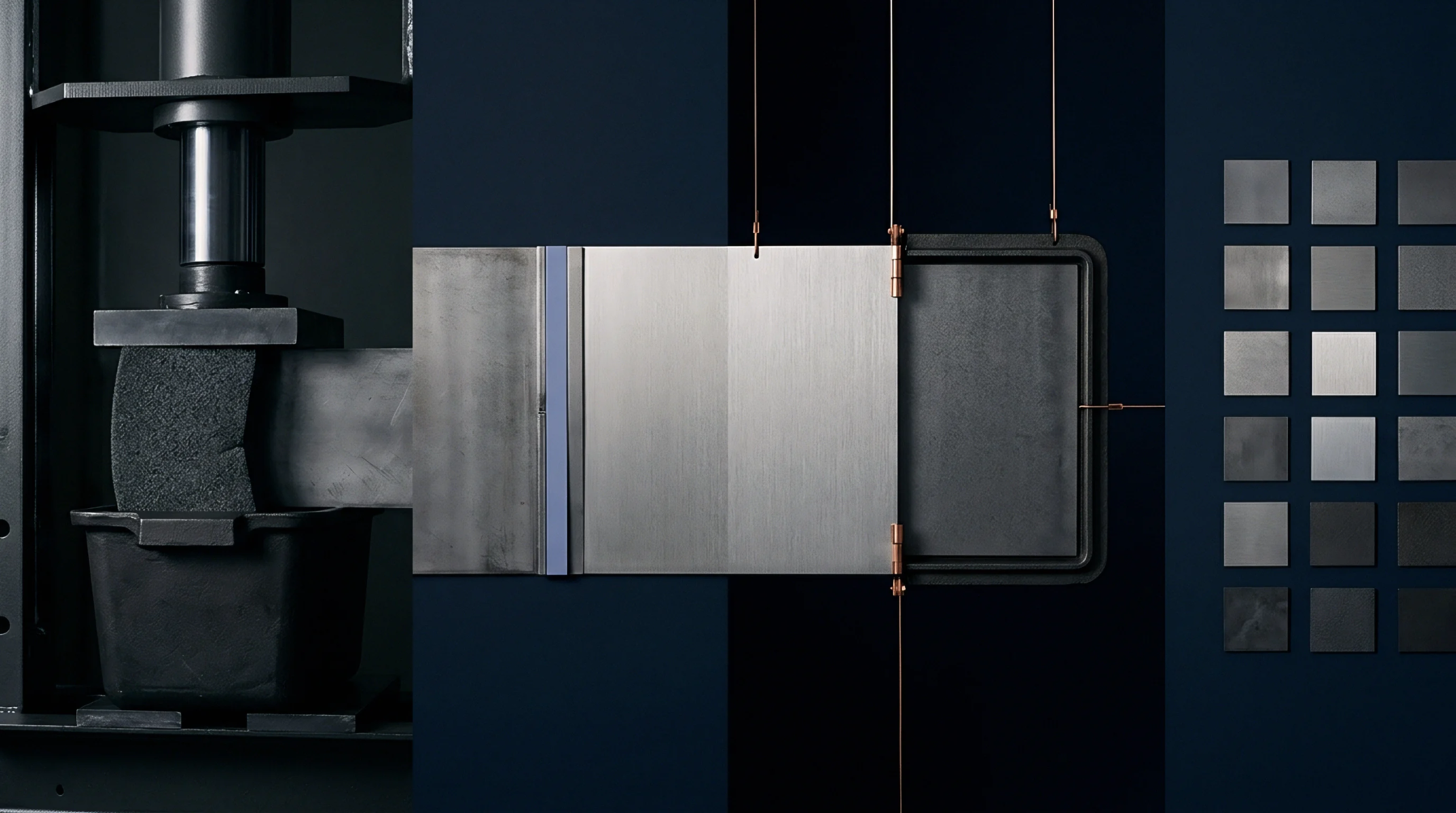
Load-bearing exterior component that maintains the aerodynamic profile while supporting the internal framework of a vehicle. A structural skin panel combines the functions of a protective shell and a primary stress member in monocoque or semi-monocoque designs. It resists tension, compression and shear forces during operation.
This integration of roles allows for a lighter and more efficient assembly compared to traditional frame-and-cover construction.
Surface Integrity
Aerospace and automotive industries rely on the structural skin panel to provide a smooth finish that reduces drag while carrying significant loads. The material must withstand environmental conditions such as temperature fluctuations and moisture without losing its strength. Aluminum alloys and composite materials are commonly used due to their high strength-to-weight ratios.
Any damage to the surface can compromise the integrity of the entire structure, requiring immediate inspection and repair.
Weight Distribution
Correct placement and thickness of each structural skin panel are determined by the expected distribution of stress across the vehicle body. Engineers use finite element analysis to identify areas that require reinforcement. In a wing, the panels on the upper surface might be thicker to resist compression, while the lower panels are designed for tension.
This targeted approach minimizes the use of material and helps to achieve the performance targets set by the manufacturer.
Manufacturing Tolerance
Strict quality control during the production of a structural skin panel ensures that the dimensions and the hole patterns match the internal frame. Small errors in alignment can introduce residual stresses that lead to premature fatigue failure. Automated drilling and assembly techniques are used to maintain the precision required for high-speed applications.
The final fitment must be checked against the design specifications before the component is cleared for service.