Meaning
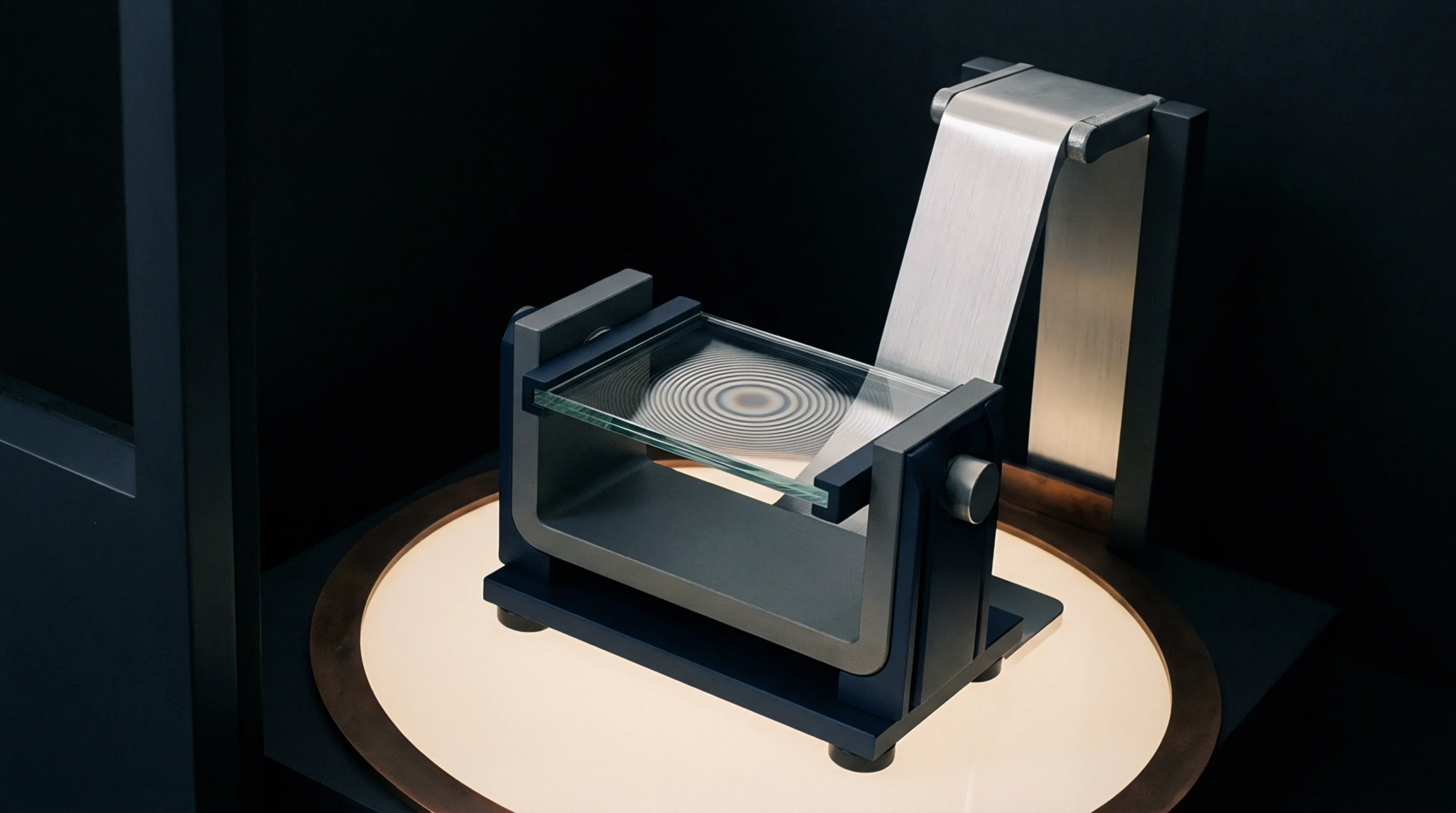
Double refraction induced by temperature-related mechanical stress in transparent materials reveals the internal force distribution within structural components. Thermal strain birefringence occurs when uneven heating causes localized expansion, creating directional variations in the refractive index of glass or polymer elements. This optical phenomenon is used to evaluate the structural integrity of protective enclosures and display panels.
Material Qualification
Glass suppliers utilize this optical effect to verify the temper and safety rating of raw materials before shipment to industrial buyers. By viewing the material through polarizing filters, inspectors can locate concentrated stress points that might lead to spontaneous cracking under thermal loads. This non-destructive testing method ensures compliance with international safety standards.
Liability Risk
Failure to detect these internal strain patterns can lead to product recalls if the glass panels shatter during ordinary consumer use. Supply contracts include clear clauses that hold the material processor responsible for any subsequent damage caused by latent thermal stresses. Accurate documentation of polarimetric testing protects manufacturers from these legal disputes.
Production Adjustment
Monitoring stress distribution during the cooling phase of optical manufacturing allows technicians to optimize the annealing process. Adjusting the furnace temperature gradient minimizes the formation of these refractive patterns, ensuring the optical purity of the finished product. This control loop reduces scrap rates and improves overall production efficiency.