Meaning
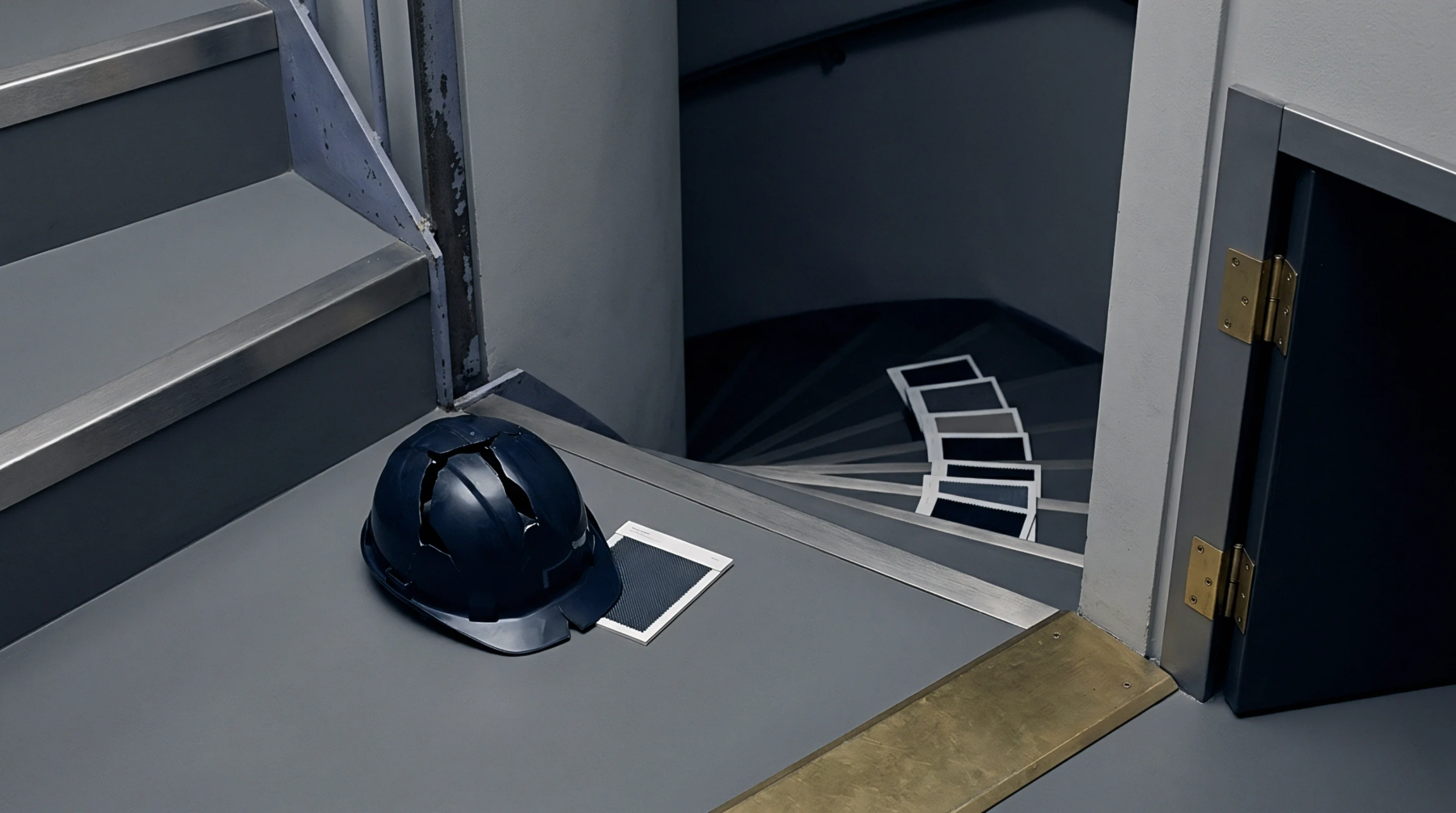
Acceptable variance limits define the boundaries within which a measured value is considered compliant with a standard. A tolerance threshold allows for the minor fluctuations that occur naturally in manufacturing or environmental monitoring without triggering an alert or a rejection. This range is established during the design phase to balance performance requirements with the cost of precision.
The boundary separates a passing unit from a defective one.
Engineers Allowance
Technical teams specify the maximum and minimum values that a component can take while still functioning as intended. The tolerance threshold ensures that slight differences in raw materials do not cause a total failure of the assembly. This flexibility is essential for mass production where absolute uniformity is impossible.
Inspection Control
Sorting systems use these predefined limits to automatically evaluate items. Any part that falls outside the tolerance threshold is diverted. This process protects the brand by ensuring only high-quality goods reach the end user.
Instruments Range
Measuring tools must be calibrated to detect variances that are much smaller than the allowable limit. A narrow tolerance threshold requires more expensive machinery and more frequent testing to maintain. The choice of these limits directly impacts the final retail price of the product.