Meaning
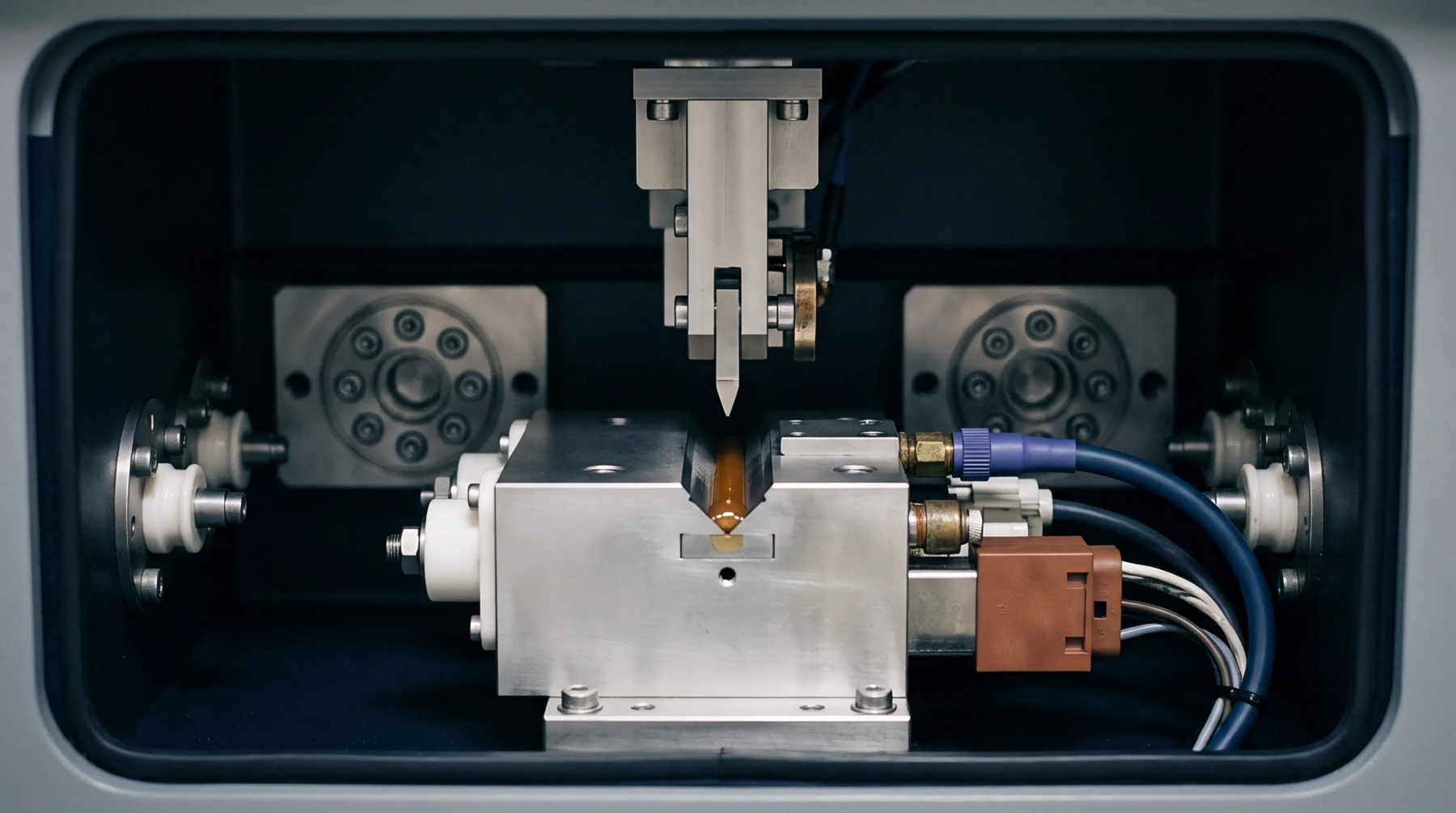
Accounting methods used to allocate the cost of industrial molds and specialized machinery over their productive lifespan show the physical wear and economic obsolescence of these assets. Managers use tooling depreciation to reduce the book value of production equipment as it reaches its maximum cycle count. This process ensures that the financial statements accurately represent the current state of the manufacturing floor.
The rate of this decline is often tied to the number of units produced rather than the passage of time.
Life Cycle
Physical durability determines how quickly the value of a mold or die is written off. Since tooling depreciation tracks the consumption of the asset utility, a tool rated for ten thousand strikes will lose ten percent of its value every one thousand uses. High precision components often see faster rates of decline due to the strict tolerances required.
Tax Treatment
Capital expenditures can be used to offset taxable income through these regular deductions. Government regulations often allow for accelerated tooling depreciation in certain industries to encourage investment in new technology. This improves the cash flow of a production facility by lowering its immediate tax burden.
Replacement Budget
Tracking the decline in asset value helps a firm plan for the eventual purchase of new equipment. When the tooling depreciation reaches zero, the asset is considered fully recovered, though it may still be in use. This data point informs the capital expenditure requests for the following fiscal year.