Optical Separation Techniques for Dynamic Composite Strain Telemetry under Radiant Heat
Optical separation via short-wavelength blue laser illumination and narrow bandpass filtering isolates dynamic composite strain signals from radiant thermal glare up to 1800 kelvin.


Glow
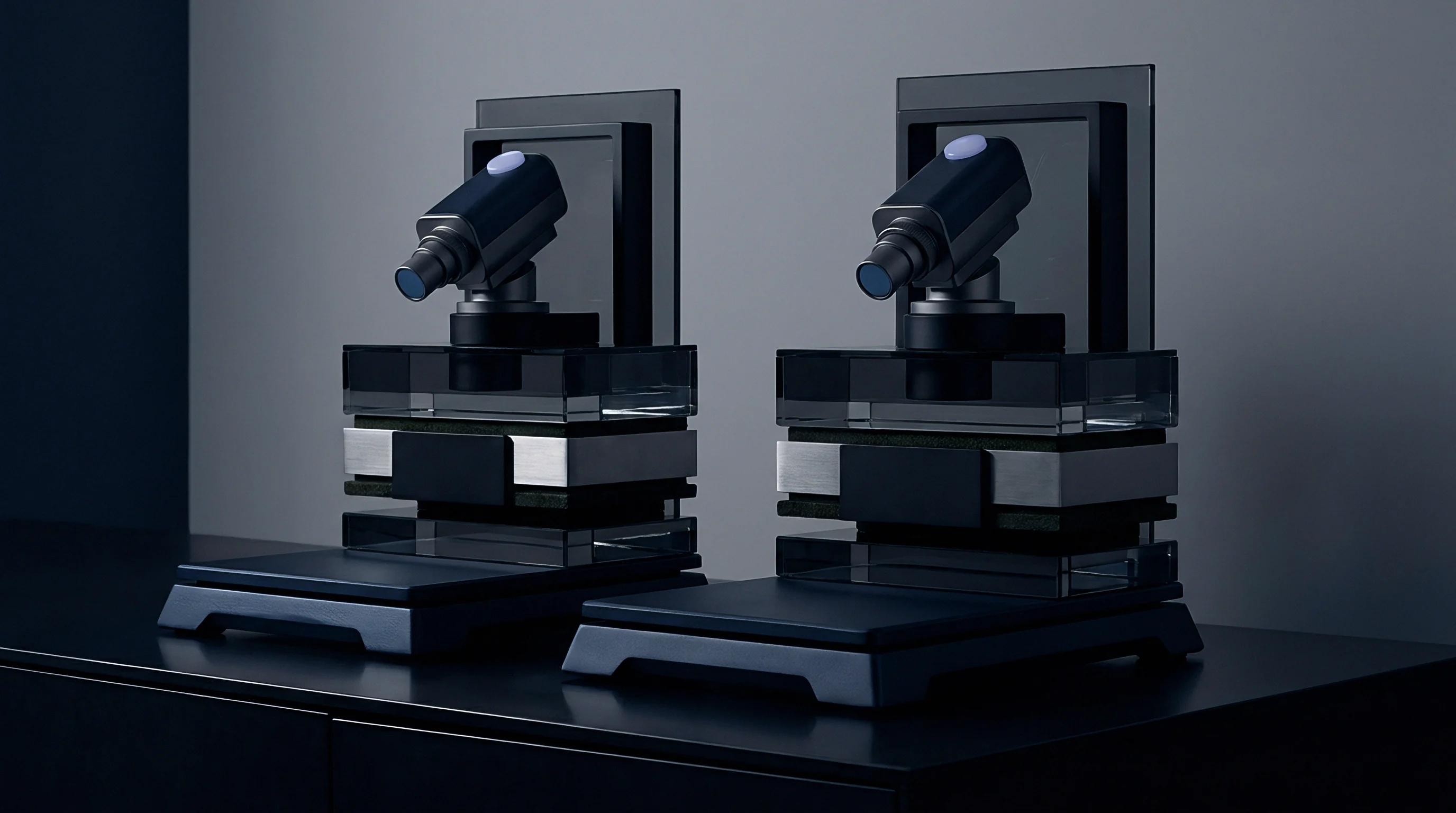
Spectral Emission Shift across High Thermal Gradients
Radiant heat exposure above 750 kelvin causes composite surface thermal emissions to dominate the visible optical spectrum. Carbon-fiber reinforced polymer matrix structures emit Planckian radiation that intensifies according to Stefan-Boltzmann power laws, shifting peak emission wavelengths into the visible blue spectrum as temperatures exceed 1400 kelvin. Optical telemetry sensors designed for ambient strain capture flood with incoherent background photons.
Broadband illumination sources struggle to provide contrast when background radiance matches target illumination intensity. The resulting sensor saturation obscures high-frequency strain variations during dynamic mechanical shock loading.
Thermal radiation from quartz heating lamps creates direct optical interference across the visible light band. Lamp filament temperatures operating at 2500 kelvin emit a dense photon flux that masks optical speckle patterns on composite test coupons. Standard digital image correlation systems experience signal-to-noise ratio degradation above 600 kelvin when using white light illumination.
Optical separation techniques isolate active strain excitation signals from passive heat-induced radiance through precise spectral band selection.
Plankian radiation intensity at 1200 kelvin reduces optical digital image correlation speckle contrast by 64 percent without bandpass optical filtering.

Blackbody Radiance Overlap with Optical Telemetry Sensors
Charge-coupled device cameras and complementary metal-oxide-semiconductor arrays register combined thermal photon flux and optical strain signals as identical pixel intensity values. Distinguishing mechanical displacement from thermal radiance requires spatial and temporal filtering mechanisms before photon arrival at the sensor surface. Fiber optic telemetry channels using Fiber Bragg Gratings suffer from similar thermal interference.
Infrared thermal radiation enters bare fiber tips, generating baseline signal drift and phase noise across dynamic strain measurement windows.
High-rate dynamic strain measurement during hypersonic structural testing demands sub-microsecond optical signal resolution. Ambient thermal glow alters the optical refraction index within air layers adjacent to hot composite test panels. Convective boundary layers induce beam deflection, spatial blurring, and phase distortion in optical telemetry streams.
Quantifying photon density across the spectrum allows test engineers to select narrow laser excitation wavelengths outside peak thermal radiation bands.
Camera vendors frequently defend frame rate drops at elevated temperatures by claiming that sensor thermal throttling reflects standard over-temperature protection rather than optical overload.


Filter

Bandpass Wavelength Selection for DIC Speckle Imaging
Narrow-band optical attenuation restricts broadband thermal background energy from saturating high-speed charge-coupled device detectors. Blue laser illumination centered at 405 nanometers or 450 nanometers operates within a spectral window where high-temperature blackbody radiation remains minimal below 1500 kelvin. Bandpass interference filters with a full-width at half-maximum bandwidth of 10 nanometers block more than 99.9 percent of ambient radiation outside the target laser line.
Optical separation performance hinges on filter transmission efficiency at the laser wavelength.
Optical bandpass filters experience spectral drift under extreme thermal proximity. Filter substrates exposed to radiant heat shift their central transmission wavelength by up to 0.05 nanometers per kelvin due to thermal expansion and refractive index alterations within thin-film dielectric coatings. Active filter cooling jackets using chilled gas maintain optical transmission properties during high-flux thermal cycles.
The optical separation setup maintains image contrast across rapid temperature transitions.
| Filter Mechanism | Target Wavelength (nm) | Bandwidth (FWHM) | Max Surface Temp (K) | Out-of-Band Rejection |
|---|---|---|---|---|
| Dielectric Bandpass | 405 | 10 nm | 1473 | OD5 (>99.999%) |
| Polarized Cross-Linear | 532 | 25 nm | 1173 | OD3 (>99.9%) |
| Hyperspectral Spatial | 450 | 2 nm | 1873 | OD6 (>99.9999%) |
| Shortpass Interference | 375 | 50 nm | 1273 | OD4 (>99.99%) |

Polarized Light Decoupling under Intense Thermal Illumination
Cross-polarization techniques decouple specular thermal reflection from diffusely scattered speckle pattern light. Linearly polarized light illuminating the composite surface depolarizes upon diffuse reflection from painted speckle coatings. Unpolarized thermal background radiation and specular surface reflections pass through an analyzer polarizer aligned perpendicular to the illumination polarization axis.
This alignment attenuates specular glare by up to 35 decibels while transmitting cross-polarized diffusely scattered photons containing strain displacement data.
High-power pulsed light sources increase local signal intensity relative to continuous background thermal emission. Short laser pulses with duration times under 10 nanoseconds match camera shutter exposure windows, compressing high photon energy into narrow temporal frames. Temporal gating synchronized with pulsed illumination suppresses continuous radiant thermal photon flux.
The signal-to-noise ratio improves by a factor proportional to the inverse duty cycle of the gated illuminator.
- Spectral notch filtering prevents high-intensity heating lamp signature bands from entering camera optics during peak power emission cycles.
- Short-wave ultraviolet illumination shifts strain telemetry acquisition into spectral regions virtually void of structural blackbody emissions below 2000 kelvin.
- Spatial coherence gating separates directly reflected laser photons from diffusely scattered internal light inside translucent composite resin matrices.
- Achromatic waveplate isolation maintains polarization purity across variable incident angles created by dynamic panel surface deflection under load.
Standard ASTM E2533 strain measurement compliance mandates that signal attenuation across non-telemetry wavelengths remain below 0.1 percent, shifting sensor calibration responsibility entirely to the testing laboratory.


Telemetry
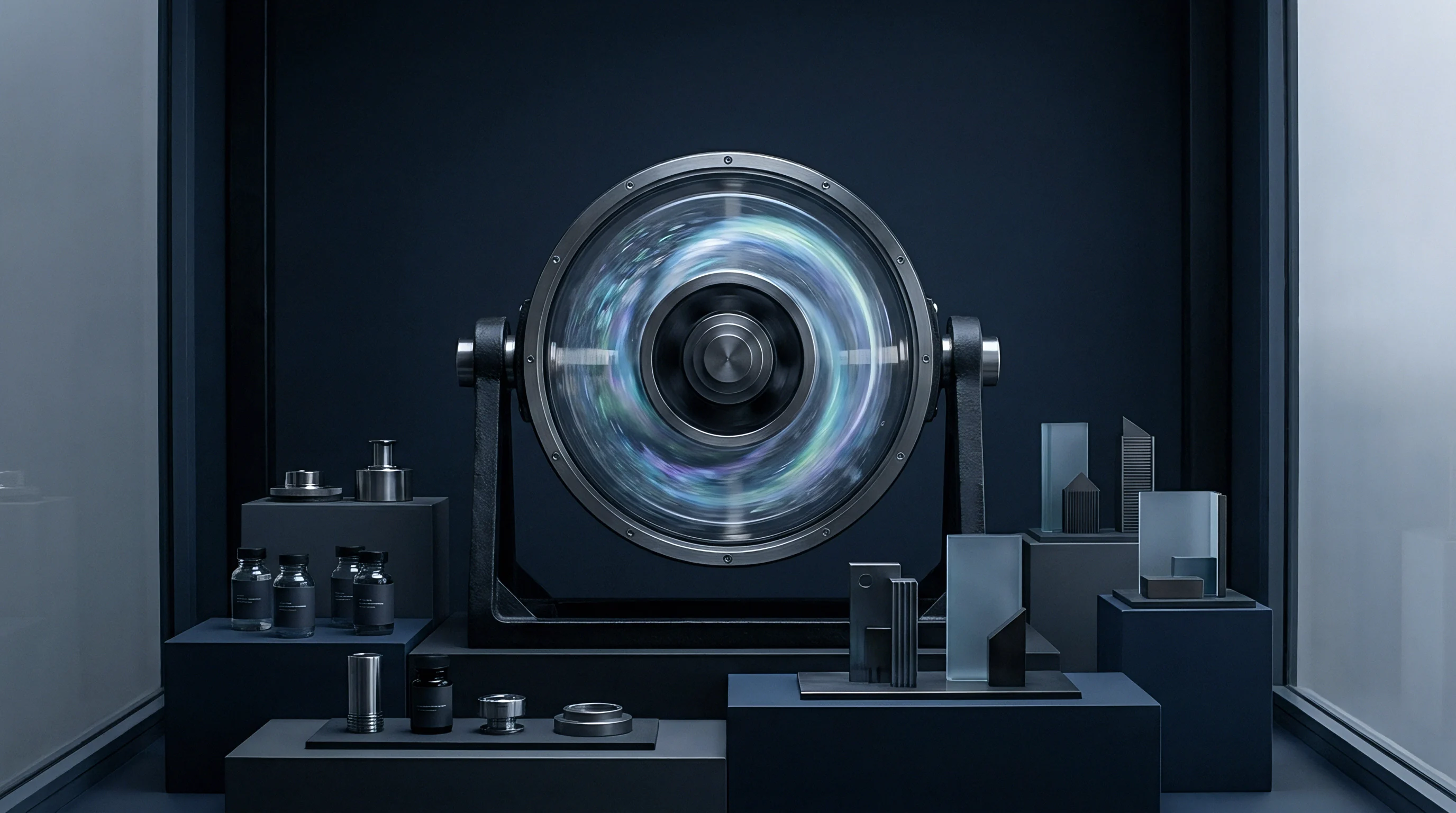
Fiber Bragg Grating Wavelength Isolation in Radiant Environments
Dynamic composite strain signal transmission relies on maintaining high signal-to-noise ratios under rapid mechanical loading. Embedded Fiber Bragg Grating optical fibers experience simultaneous mechanical strain and thermal expansion during radiant heating tests. Thermal shifts alter the glass fiber index of refraction and grating pitch, shifting reflected Bragg wavelengths independent of mechanical deformation.
Decoupling strain signals from thermal drift requires dual-wavelength optical interrogation or chirped optical fiber architectures.
Phase-shifted Fiber Bragg Gratings utilize narrow optical resonance features to isolate dynamic acoustic and structural strain signatures. High-speed optical interrogators sampling at frequencies above 100 kilohertz separate acoustic emission signals from slow thermal relaxation curves through digital high-pass filtering. Optical isolators placed along signal pathways prevent back-reflected thermal radiation from instigating laser diode instability inside interrogation optoelectronics.
Interrogation sampling rates above 250 kilohertz enable mechanical shock strain separation from high-rate thermal expansion gradients up to 500 kelvin per second.
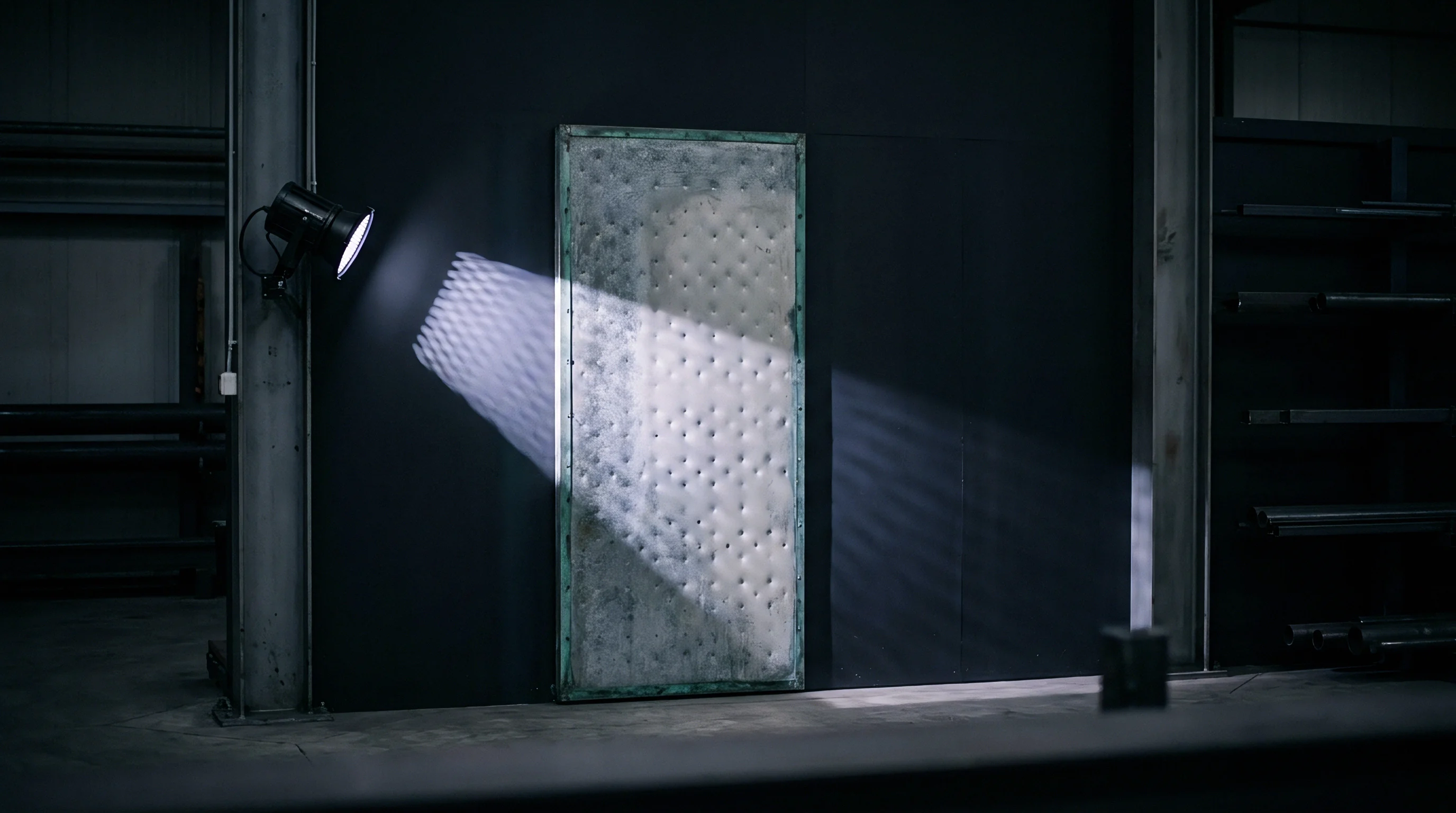
High-Speed Digital Image Correlation Frame Rate Optimization
Dynamic structural deformation under radiant heating requires high camera frame rates to prevent motion blur and image decorrelation. Increasing frame rates reduces sensor integration times, decreasing total light gathering per exposure. Sub-millisecond exposure times demand ultra-bright narrow-band blue light-emitting diode arrays or continuous wave lasers to yield sufficient light intensity for accurate digital speckle tracking.
Optical separation setups must balance illumination pulse energy against thermal risk to composite resin matrix surfaces.
Speckle pattern fidelity under high thermal flux relies on heat-resistant inorganic ceramic paints. Standard organic speckle paints decompose and char above 550 kelvin, altering pattern geometry and producing false strain readings. Ceramic coatings retaining structural stability up to 1700 kelvin prevent thermal degradation while maintaining high diffuse reflectivity within blue and ultraviolet spectral bands.
- Pattern application procedure uses automated airbrush deposition to control speckle diameter distribution between 3 and 5 pixels on target sensor arrays.
- Optical baseline verification checks speckle contrast ratios across high-temperature test stands prior to engaging radiant lamp arrays.
- Thermal flux initiation activates radiant heating elements while high-speed cameras log pre-strain thermal expansion baseline movements.
- Dynamic mechanical load execution delivers cyclic or transient mechanical pulses to the composite coupon during active thermal exposure.
- Spectral image extraction processes narrow-band optical data to separate structural strain fields from localized thermal refraction distortions.
Light intensity at the sensor must exceed thermal radiance across the target wavelength or optical separation loses contrast and strain data degrades into sensor noise.


Threshold

What Optical Isolation Threshold Prevents Radiant Emission Saturation?
Optical strain acquisition systems fail when thermal background luminance equals the active illumination intensity on the composite specimen surface. Signal-to-noise ratio analysis defines the minimum optical isolation ratio required to maintain strain resolution within 50 microstrain tolerances. Active illumination power density must exceed localized blackbody spectral radiance by at least 18 decibels across the chosen bandwidth to prevent pixel digitization noise from exceeding strain signal levels.
System saturation limits change dynamically as coupon temperatures ascend during radiant thermal testing. At 1000 kelvin, a 10-nanometer bandpass filter centered at 632.8 nanometers requires an active laser light power density of 45 milliwatts per square centimeter. Moving the telemetry wavelength down to 405 nanometers reduces the required active illumination power density to 1.2 milliwatts per square centimeter under identical thermal conditions due to Planck curve decay at shorter wavelengths.
| Target Temp (K) | Telemetry Wavelength (nm) | Filter Bandwidth (nm) | Required Radiance (mW/cm²) | Max Dynamic Strain Rate |
|---|---|---|---|---|
| 800 | 650 | 10 | 12.5 | 500 s⁻¹ |
| 1200 | 650 | 10 | 185.0 | 500 s⁻¹ |
| 1200 | 405 | 10 | 3.8 | 2000 s⁻¹ |
| 1600 | 405 | 3 | 42.0 | 5000 s⁻¹ |
| 2000 | 375 | 1 | 110.0 | 10000 s⁻¹ |

Thermal Gradient Boundaries for Speckle Pattern Degradation
Convective hot air plumes created by high-temperature test coupons generate steep localized refractive index gradients. Optical paths passing through turbulence experience mirage effects, beam steering, and wave-front distortion. Digital image correlation software misinterprets thermal wave-front distortion as physical surface strain.
Spatial filtering and telecentric optical lenses minimize refraction sensitivity by accepting only parallel light rays entering the camera aperture.
Chamber evacuation or laminar inert gas purging flushes high-gradient convective plumes from optical measurement paths. Nitrogen or argon gas knife systems blowing parallel to composite surfaces smooth out optical path turbulence. Maintaining uniform gas flow velocity prevents localized index variations, preserving speckle spatial position accuracy down to 0.01 pixel thresholds under maximum thermal loading.
Whether ultra-short pulsed ultraviolet lasers can maintain optical speckle pattern definition above 2200 kelvin without causing localized resin ablation remains unverified across commercial testing laboratories.


Verification
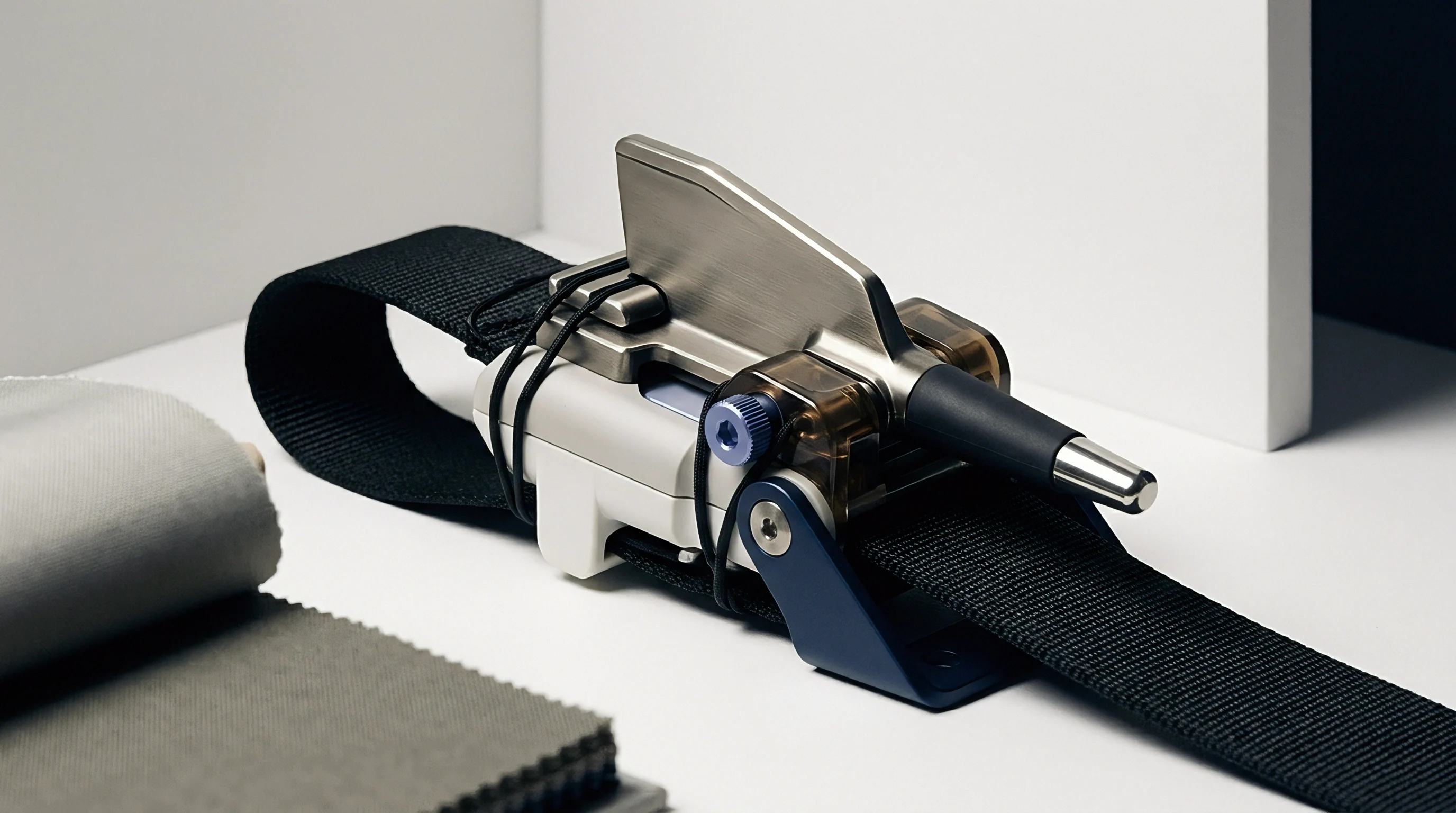
Benchtop Calibration Protocols for High-Temperature Strain Telemetry
Validation tests quantify measurement drift caused by thermal optical refraction through convective boundary layers. Zero-strain baseline calibration runs exposed to pure radiant thermal heat establish system thermal drift profiles. Subtracting non-loaded thermal apparent strain profiles from subsequent mechanical testing runs isolates true mechanical strain components.
Automated optical alignment stages correct for thermal expansion movement of optical stands and camera rigs during long-duration thermal cycles.
Calibrating Fiber Bragg Grating optical telemetry setups requires reference strain measurements using high-temperature water-cooled extensometers. Matching optical fiber phase shifts against mechanical extensometer output across temperature sweeps from 300 to 1500 kelvin quantifies thermal apparent strain constants. The resulting optical strain calibration dossier provides certified correction coefficients for high-rate dynamic testing runs.
Thermal calibration runs without mechanical load isolate optical path refractive distortion, identifying artificial strain offsets up to 320 microstrain at 1100 kelvin.

Decoupling Thermal Expansion from Mechanical Strain Components
Composite materials exhibit anisotropic thermal expansion coefficients across longitudinal and transverse fiber alignment axes. Dynamic strain telemetry algorithms must decouple physical CTE expansion from stress-induced strain tensors in real time. Multiplexed optical telemetry channels utilizing orthogonally oriented Fiber Bragg Gratings separate structural deformation axes during localized heating events.
Spatial optical separation setups combine full-field digital image correlation with point-based optical fiber sensors to cross-validate dynamic strain fields. Digital image correlation measures global strain distributions while fiber optics capture high-frequency transient mechanical waves. Reconciling spatial full-field data with temporal optical fiber telemetry prevents local thermal anomaly artifacts from corrupting dynamic structural load calculations.
- Mount the composite coupon inside the structural test frame with zero mechanical preload.
- Position active cooling enclosures around camera lenses and optical filter assemblies.
- Execute thermal ramp-up while logging baseline optical phase shift and speckle movement.
- Apply controlled dynamic mechanical loads using high-speed hydraulic or piezoelectric actuators.
- Process collected optical telemetry through phase-demodulation and spectral isolation algorithms.
Miscalculating the thermal optical refractive shift leads to erroneous strain readings that cause structural flight components to be certified under false mechanical safety margins.


Yield

Capital Allocation for High-Temperature Telemetry Systems
Data recovery efficiency determines the return on high-rate composite testing budgets. High-temperature structural test stands cost upwards of 4,000 dollars per operating hour, with advanced aerospace composite test coupons valued at over 50,000 dollars per unit. Failed optical telemetry acquisition due to thermal saturation or speckle pattern loss forfeits both test stand time and non-repeatable structural test specimens.
Investing in optical separation technology secures signal integrity across extreme testing regimes.
Component breakdown costs for optical separation telemetry systems reflect specialized high-power light sources and narrow-band optical filters. High-power blue laser illumination systems represent 35 percent of initial hardware outlays. Custom chilled filter housing assemblies and ultra-high-speed camera optoelectronics account for 45 percent of capital costs.
Software integration and automated phase extraction calibration pipelines comprise the remaining 20 percent of deployment expenses.

Cost Optimization in Optical Strain Measurement Campaigns
Preventing telemetry failure requires rigorous pre-test optical budget calculations. Matching illumination spectral power against peak predicted thermal radiance prevents sensor saturation without over-specifying costly ultraviolet laser hardware. Utilizing modular optical bandpass filters permits rapid reconfiguration across varied structural thermal profiles, maximizing equipment utilization across diverse aerospace testing programs.
Data verification protocols minimize post-processing scrap rates for structural certification dossiers. Real-time signal-to-noise ratio monitoring alerts test operators to optical degradation before thermal saturation corrupts dynamic strain signals. Implementing closed-loop illumination control maintains optimal image contrast continuously throughout variable-flux thermal test profiles.
Financial return on advanced optical telemetry hardware relies on achieving high data capture success rates during single-shot destructive thermal-mechanical qualification runs. Test programs implementing blue-spectrum spatial isolation achieve greater than 98 percent valid strain telemetry recovery, reducing total test coupon consumption by 40 percent across structural certification campaigns. High data yield protects project budgets and accelerates development timelines for high-temperature composite flight structures.