Meaning
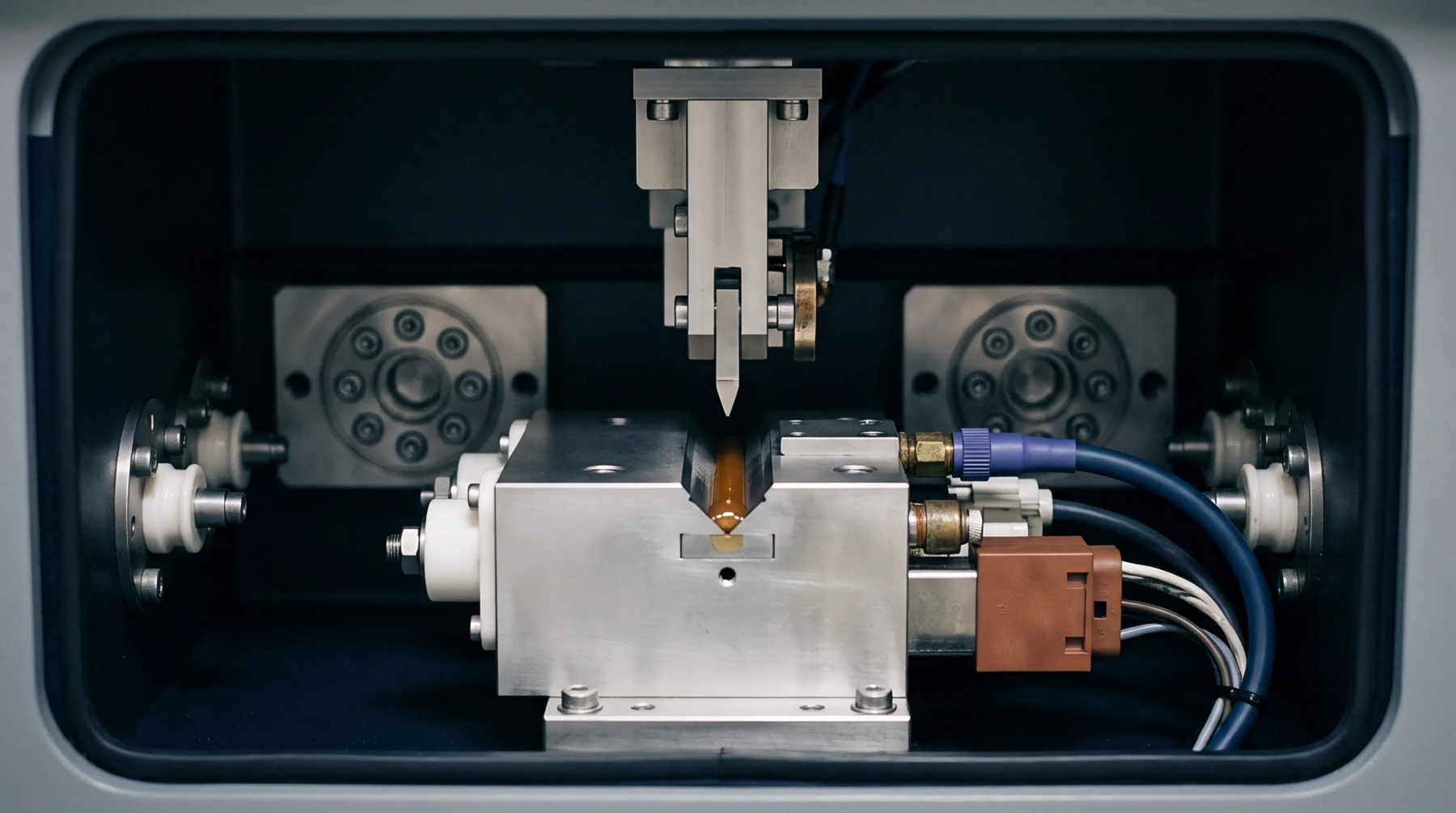
High-velocity pneumatic cleaning acts as a mechanism to clear debris or moisture from optical sensors and high-precision machinery components by directing a continuous stream of compressed air across a critical surface. An air knife purge prevents the accumulation of industrial dust and liquid aerosols that interfere with machine vision performance or internal sensor calibration. This equipment installation forces particles away from the active detection zone through a steady laminar flow curtain.
Industrial maintenance protocols rely on this constant movement of gas to keep sensitive hardware protected in contaminated environments without requiring frequent manual intervention.
Flow Regulation
Compressed air supply lines route through a pressure regulator to maintain the velocity required for effective barrier formation. A stable air knife purge requires consistent output to ensure the pressure differential remains higher than the surrounding ambient air density. Excessive flow consumes surplus energy while inadequate flow permits fine particulates to bypass the barrier.
Manufacturers specify internal orifice dimensions to achieve the desired mass flow rate at a given source pressure.
Operating Environment
Heavy manufacturing sites where ambient particulate counts exceed factory standards demand the integration of these devices to maintain optical clarity. An air knife purge provides the necessary protection for laser scanners or camera optics against oil mist and fine metal shavings. Installation sites often feature high-temperature zones or corrosive vapors that necessitate stainless steel or hardened alloys for the housing assembly.
These units extend the service life of expensive detection equipment by eliminating contact with harsh airborne contaminants.
Commercial Impact
Production contracts define the operational uptime required for automated assembly lines and link performance penalties to excessive equipment downtime. Including an air knife purge in the technical specification lowers the risk of unplanned stoppages attributed to sensor fouling. Service agreements designate the cleaning unit as a field-replaceable component to minimize technician labor hours during routine site visits.
Proper integration of this hardware shifts the maintenance focus from reactive cleaning to periodic nozzle inspection which reduces the total landed cost of the monitoring system.