Meaning
Factory acceptance testing is a pre-shipment quality verification protocol executed at a supplier facility to confirm that industrial machinery operates according to agreed technical specifications before dispatch occurs. Buyers integrate factory acceptance testing clauses into procurement contracts to establish contractual milestones, govern final progress payments, and define physical custody transfer boundaries before logistics providers take possession of goods. Sellers use factory acceptance testing outcomes to limit subsequent warranty liabilities by proving that the delivered hardware met all agreed parameters on the shop floor.
Jurisdiction over the equipment shifts once the protocol concludes, transferring liability from the manufacturer to the logistics provider or buyer.
Contractual Obligations
Commercial supply agreements tie milestone payments directly to the successful signing of factory acceptance testing documentation, withholding final disbursements until punch list items reach absolute resolution. Legal teams draft these clauses to specify exact witness rights, testing durations, and remedies for non-compliance, ensuring that financial leverage remains intact if performance metrics fall below agreed thresholds. Suppliers bear the administrative and operational cost of executing the protocol, while buyers absorb travel expenses for inspecting engineers unless specific contract provisions allocate those disbursements differently.
Penalty clauses activate when a vendor fails to schedule the evaluation within agreed windows, offsetting subsequent warehousing expenses or delayed project timelines.
Verification Protocol
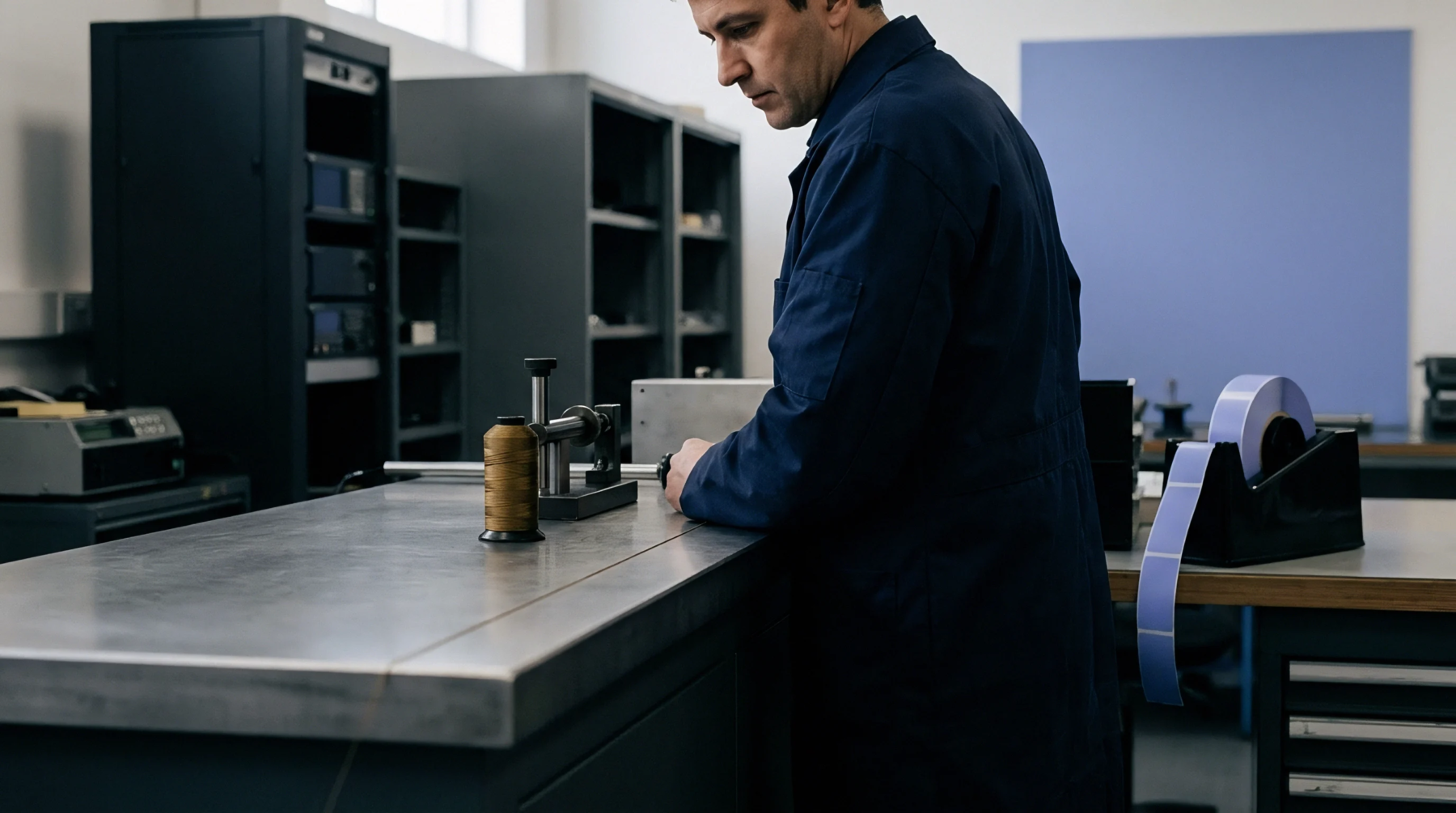
Engineers execute factory acceptance testing by running structured operational scenarios against predetermined engineering drawings and functional design specifications, recording every deviation in a centralized non-conformance log. Technicians test electrical continuity, pneumatic pressure limits, and software integration under simulated operating loads, verifying that control panels respond correctly to emergency stop commands. Discrepancies surface during these trials, requiring immediate software patches or hardware replacements before the inspection team signs the certification document.
Once the machinery passes all test scripts, inspectors lock the configuration settings with tamper-evident seals to prevent unauthorized modifications during transit.
Performance Liability
Legal exposure shifts permanently from the manufacturer to the buyer once the factory acceptance testing certificate is executed, terminating liquidated damages for delay and starting the warranty period specified in the master purchase agreement. Subsequent site installation damage or operational failures resulting from improper rigging fall entirely outside the original equipment manufacturer warranty scope, transferring financial risk to the transport carrier or the site contractor. Equipment performance failures discovered after final site commissioning often trace back to inadequate simulation depth during factory acceptance testing, exposing gaps in the original verification parameters agreed by both parties.