Meaning
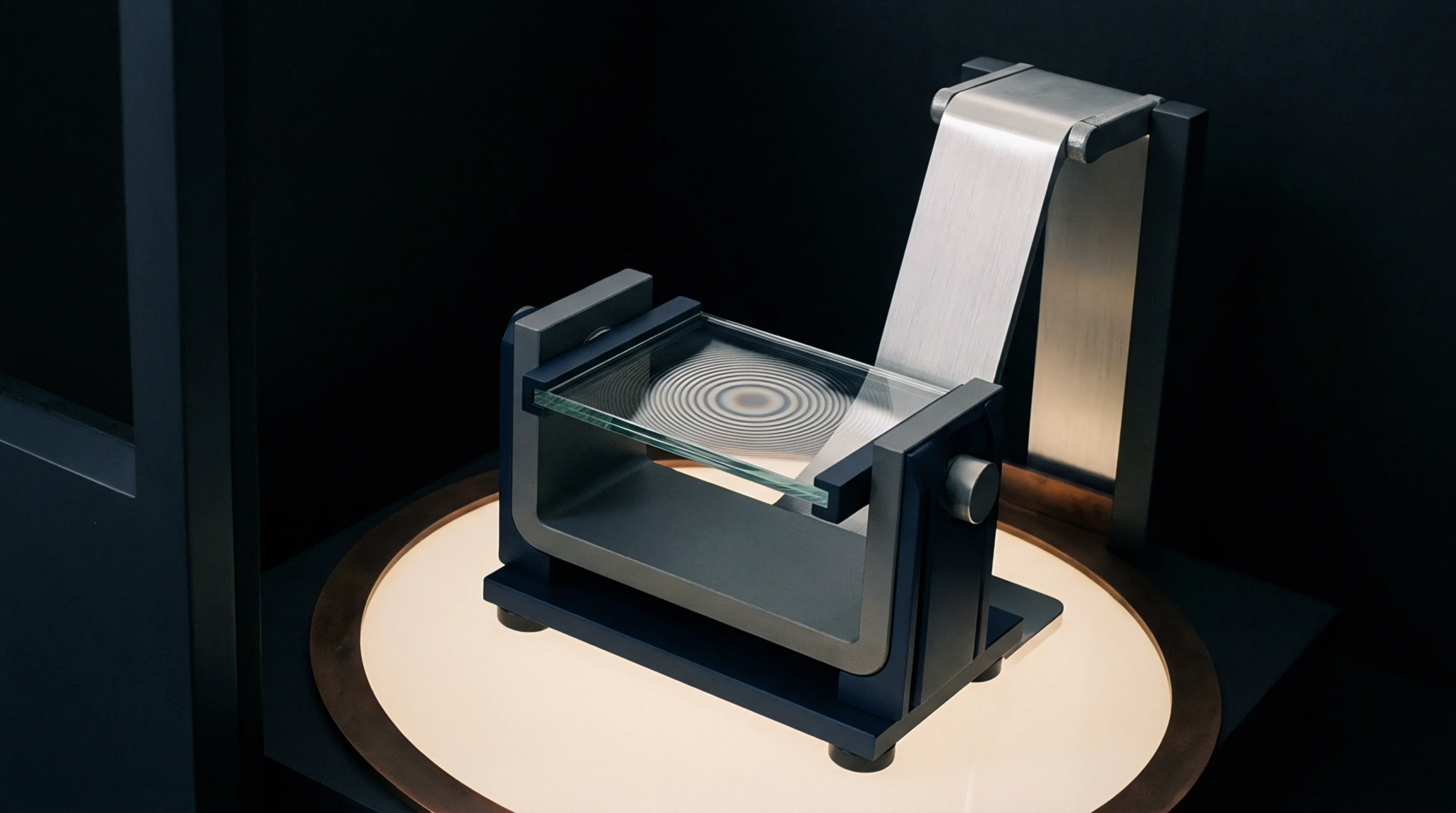
Single-crystal aluminum oxide transparent flat component engineered to withstand extreme mechanical pressures, abrasive environments and high temperatures while maintaining broad optical transmission from ultraviolet to mid-infrared wavelengths. In defense sensor procurement and chemical processing sight glass contracts, a sapphire optical window acts as a protective transparent barrier for sensitive optical detectors operating in destructive environments. Mechanical hardness and chemical inertness allow thin window designs that resist scratch damage and thermal pressure shock.
Applicability stops when deep ultraviolet transmission below two hundred nanometers or large single-crystal aperture diameters exceeding commercial growth limits are required.
Procurement Standard
Crystallographic orientation, crystal bubble content and surface finish specs define purchasing terms in military sensor enclosure contracts. Buying contracts specify sapphire optical window crystal axis orientation, preferring c-axis cut windows to eliminate optical birefringence along the normal transmission axis. Scratch-dig ratios and surface flatness tolerances determine component suitability for high-resolution imaging payloads.
Suppliers must provide raw boules trace element certification to verify transmission characteristics across contract bandwidths.
Commercial Warranty
Environmental resistance guarantees in severe-service sensor contracts depend on correct mounting stress distribution and pressure limits. Sensor manufacturers cover sapphire optical window assemblies against pressure seal failure only when install procedures adhere strictly to torque specifications. Mechanical shock cracking resulting from improper mechanical housing design is excluded from supplier replacement obligations.
Defective component batches are returned when edge chip dimensions exceed contract limits.
Cost Allocation
Raw material synthesis through Kyropoulos crystal growth and labor-intensive diamond polishing drive component unit costs. High finishing costs make sapphire windows significantly more expensive than equivalent fused silica options.