Meaning
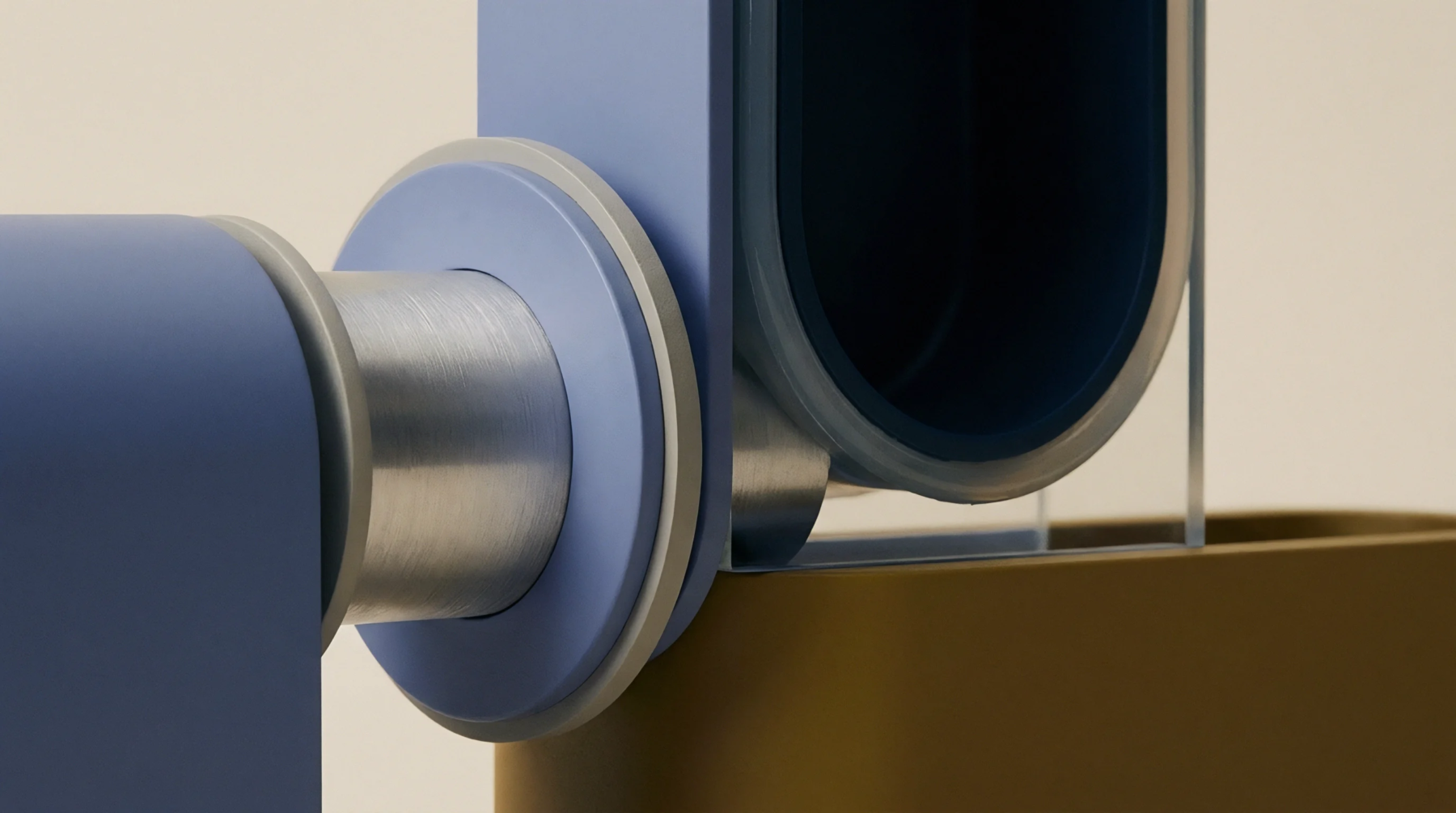
Protective metal enclosures fabricated from advanced alloys offer exceptional corrosion resistance and mechanical strength for deep-sea instrumentation. A titanium housing protects sensitive electronic payloads from the extreme pressures of the abyssal zone. Its application is limited by the high cost of raw materials and the difficulty of machining complex geometries.
Material Advantage
Unlike steel or aluminum, titanium does not require paint or sacrificial anodes to resist seawater corrosion. This extends the maintenance cycles of subsea instruments, allowing them to remain deployed for years.
Mechanical Properties
The high strength-to-weight ratio of the metal allows the walls of the housing to be thinner than those of steel enclosures while withstanding the same hydrostatic pressure. This weight reduction is crucial for instruments deployed from research vessels with limited crane capacities. It also increases the payload capacity of autonomous underwater vehicles, making it the preferred choice for long-term deep-sea deployments.
Operational Integration
Endcaps featuring specialized high-pressure seals are secured to the housing to allow electrical connections to pass through. These seals must be maintained to prevent leakage under pressures that can exceed ten thousand pounds per square inch. Regular inspection of the sealing surfaces is required to ensure long-term deployment reliability.