Meaning
An experimental measurement discipline quantifies aerodynamic forces, pressure distributions, and airflow velocities acting on physical models inside controlled fluid dynamic test facilities. Aerospace and automotive engineers apply wind tunnel metrology to evaluate lift, drag, and acoustic signatures on new vehicle designs prior to commercial production. This measurement methodology stops applying when testing transitions from physical scale models to full-scale flight or road field trials.
Aerodynamic Measurement
Precise force balance sensors, laser doppler anemometry, and pressure-sensitive paint measure air interaction across physical prototype surfaces. Scale model testing requires exact environmental corrections for thermal expansion, tunnel wall boundary effects, and flow turbulence intensity. High-resolution sensors capture subtle surface drag fluctuations, allowing design teams to optimize body contours and reduce energy consumption.
Validating physical aerodynamic data against computational fluid dynamics models ensures commercial vehicle performance targets are met before tooling investments occur.
Sensor Calibration
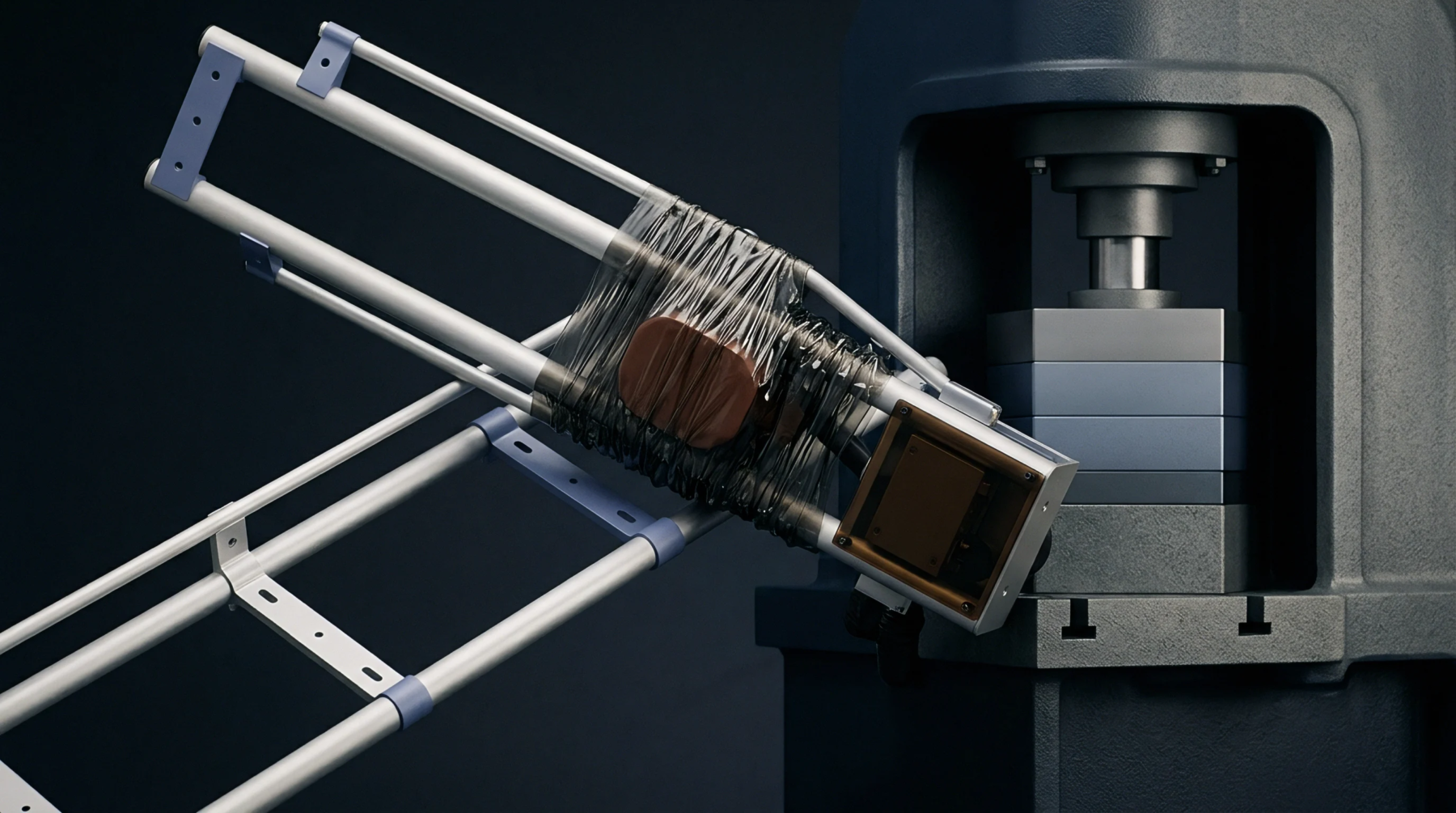
Multi-axis force balance instruments require frequent calibration against reference weights to maintain force measurement accuracy. Uncorrected sensor drift skews drag coefficient calculations and invalidates test results.
Performance Validation
Commercial engineering contracts mandate rigorous aerodynamic verification standards for vehicle development programs. Utilizing advanced wind tunnel metrology guarantees that aerodynamic performance claims comply with international industry certification standards.