Viscoelastic Post Buckling Creep Mechanics in Thermally Expanded Polymer Panels under Unsteady Aerodynamic Suction Pulses
Constrained polymer panels snap into accelerated post-buckling creep under thermal pre-strain when dynamic suction pulses bypass standard static recovery thresholds.


Flaw
Equilibrium Snap Boundaries under Thermal Prestress
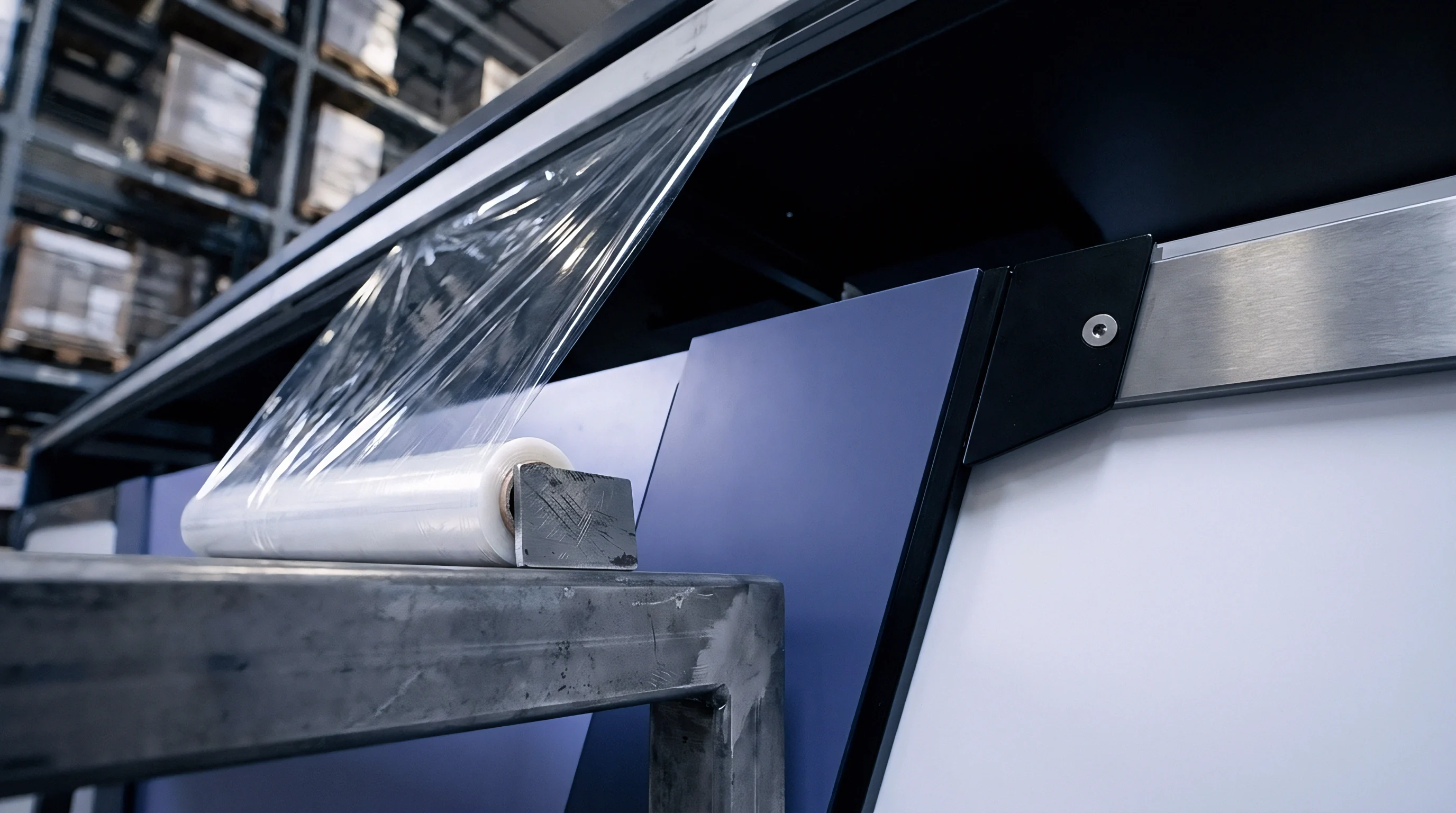
Polymer exterior panels subjected to solar absorption develop large compressive in-plane loads when edge constraints restrict free thermal expansion. Polycarbonate and polymethyl methacrylate sheets mounted in curtain walls, transportation fairings, and high-speed rail covers routinely reach operating temperatures between 55 and 85 degrees Celsius under direct radiation. These operating levels sit uncomfortably close to the glass transition boundary of unreinforced thermoplastics.
A panel constrained against expansion sheds its bending stiffness as thermal strain approaches the Euler critical threshold. The governing relationship equates compressive thermal membrane force directly to edge restraint stiffness and the temperature rise above ambient assembly conditions.
When aerodynamic crosswinds or vortex-shedding wakes impart unsteady suction pulses across the outer surface, the net pressure differential acts against a plate already operating in a state of diminished lateral resistance. Classical linear plate theory predicts instantaneous elastic recovery once an aerodynamic suction peak passes. Real visco-elastoplastic matrices violate this assumption through relaxation moduli that decay with time under sustained pre-strain.
The panel snaps into an out-of-plane post-buckled state when the transient suction pulse provides the activation energy necessary to cross the unstable branch of the potential energy surface. This snap-through occurs at suction values far below the static buckling limit of an unheated plate.
A constrained polymer sheet with thermal pre-strain exceeding 0.35 percent snaps into an out-of-plane equilibrium mode under dynamic pressure fluctuations representing less than one-fifth of its ambient static collapse rating.
The transition between initial thermal bulging and dynamic post-buckling snap instability depends on the interaction between edge rotational stiffness and the viscoelastic relaxation spectrum of the resin. Dynamic suction pulses generated by passing vehicles or turbulent atmospheric gusts display dominant frequencies between 0.2 Hertz and 18 Hertz. When the peak duration matches the characteristic retardation time of the polymer primary backbone chains, strain energy transfers directly into non-recoverable conformational changes.
The sheet fails to return to its pre-pulse configuration before the subsequent suction pulse arrives. A ratcheting deformation field develops across the panel center.
Finite element models relying purely on hyperelastic or instantaneous elastic formulations understate peak deflections by factors ranging from 1.8 to 4.2 under cyclic pressure histories. The initial snap creates localized regions of extreme surface strain along the buckle crests. In these high-strain bands, non-linear viscoelasticity accelerates structural compliance drift.
The engineering challenge centers on measuring the exact moment where reversible delayed-elastic response transitions into permanent creep displacement under non-monotonic load pulses.


Drift

Transient Viscoelastic Compliance in Heated Matrices
Polymer compliance is not a static material property. The creep compliance function rises monotonically with logarithmic time, accelerated by elevated temperature according to the time-temperature superposition principle. For structural polymers like bisphenol-A polycarbonate, the shift factor along the time axis follows the Williams-Landel-Ferry equation above the glass transition, and an Arrhenius relationship below it.
When temperature elevates the panel baseline to 65 degrees Celsius, the material effectively experiences hours of room-temperature molecular relaxation within a few minutes of real-world exposure.
Unsteady suction pulses impose high-rate stress cycles onto this softened thermal state. Each individual pulse exerts an out-of-plane body force that pulls the post-buckled crest outward. Because the polymer relaxation modulus decreases during the loaded phase, the unloading path does not retrace the loading path.
The difference between the forward and reverse work conjugates appears as dissipated energy, manifesting as localized viscous flow and material heating. The hysteresis loop widens with each subsequent suction cycle, accelerating the progressive loss of panel transverse stiffness.
| Temperature (C) | Initial Storage Modulus (MPa) | 100-Hour Relaxed Modulus (MPa) | Compliance D(t) at 1000s (1/GPa) | Critical Snap Suction (kPa) |
|---|---|---|---|---|
| 23 | 2350 | 2180 | 0.44 | 3.85 |
| 45 | 2100 | 1790 | 0.53 | 2.90 |
| 60 | 1880 | 1340 | 0.71 | 1.75 |
| 75 | 1520 | 890 | 1.08 | 0.82 |
The data demonstrates the thermal collapse of post-buckling resistance. At 75 degrees Celsius, the relaxed modulus drops by more than 40 percent across a 100-hour exposure baseline. This loss of load-bearing capacity directly reduces the critical suction threshold needed to maintain the panel in its deflected state.
Under an intermittent aerodynamic train crossing or turbulent facade wake, suction peaks of modest magnitude, between 0.8 and 1.2 kilopascals, hold the panel in the snapped-through geometry long enough for tertiary creep mechanisms to initiate along the clamped margins.
The secondary consequence involves localized stress concentration along the boundary fixings. Restrained thermal expansion forces the panel material to flow around fastener shanks or frame grip edges. As the panel creeps under oscillating out-of-plane suction, clamping pressure relaxes.
The clamping loss alters the boundary conditions from clamped to partially rotational, lowering the fundamental natural frequency of the panel into the excitation band of turbulent wind pulses.
Engineers estimating field longevity must account for physical aging alongside mechanical creep. Sub-glass-transition aging densifies the polymer matrix, which slightly increases modulus while severely compromising yield strain and crack resistance. A panel undergoing simultaneous physical aging and cyclic suction creep accumulates microscopic shear bands at the crests of dynamic buckles.
These microscopic yield events prevent the component from recovering its original flat profile, leaving a permanent oil-canning wave pattern across the surface.
When the assembly cools overnight to 15 degrees Celsius, the accumulated creep strain locks into the structure. Contraction against rigid boundary fasteners transforms the previous daytime compressive stress field into a high tensile stress field. This diurnal stress inversion acts as a low-cycle fatigue driver directly mediated by the daytime viscoelastic flow.


Gust

Aerodynamic Suction Pulse Profiles and Boundary Excitation
Aerodynamic suction pulses acting on building skins and vehicle outer panels do not follow clean sinusoidal waveforms. Atmospheric turbulence produces localized pressure drops with rise times under 50 milliseconds, followed by chaotic pressure oscillations and extended recovery periods. In vehicular tunnels or sound barriers along high-speed transit tracks, the bow wave imparts a sharp compressive spike, followed immediately by an intense, prolonged negative pressure wake.
The suction phase frequently displays a plateau duration between 120 milliseconds and 1.5 seconds, matching the primary creep acceleration phase of heated industrial thermoplastics.
Mathematical modeling of these unsteady pulses relies on generalized Poisson pulse processes or filtered Ornstein-Uhlenbeck stochastic representations. The peak suction magnitude reaches three to six times the standard deviation of the ambient aerodynamic turbulence pressure. When such an extreme value event strikes a thermally expanded panel already poised near its post-buckling threshold, dynamic amplification triggers snap-through buckling even if the average steady-state aerodynamic load sits well within static deflection limits.
ASTM E1300 specifies uniform static pressure resistance for architectural glazing panels but provides zero protocol for high-temperature viscoelastic creep under non-monotonic suction loading sequences.
To quantify the transient mechanical input, consider the structural response to a standard half-sine suction impulse followed by an exponential tail. The energy imparted to the panel depends on the ratio of the pulse duration to the fundamental period of the thermally bowed plate. As thermal compression grows, the fundamental vibration frequency drops toward zero at the bifurcation point.
This frequency reduction creates an aeroelastic matching condition where low-frequency atmospheric wind gusts efficiently transfer kinetic energy into the post-buckled deflection mode.
The physical response sequence under repeated aerodynamic pulses unfolds as follows:
- Thermal pre-compression establishes an initial mid-bay deflection profile that reduces lateral panel bending stiffness prior to any aerodynamic event.
- Transient suction arrival overcomes the remaining dynamic snap barrier within the first 40 milliseconds of aerodynamic pulse application.
- Viscoelastic creep phase stretches the polymer chains in the high-stress perimeter and center zones during the suction dwell period.
- Elastic springback retardation prevents immediate profile recovery when the aerodynamic depression equalizes, leaving residual out-of-plane amplitude.
- Progressive ratchet accumulation locks incremental out-of-plane distortion into the panel with each successive gust passage.
Dynamic pressure transducers mounted on exterior vehicle fairings reveal that trailing-vortex shedding generates suction peaks that repeat at narrow time intervals. If the repeat interval falls below the viscoelastic recovery window of the polymer, the strain accumulation transitions from linear primary creep to nonlinear secondary creep. Under these conditions, the plate does not achieve equilibrium.
Instead, out-of-plane deformation increases monotonically with the pulse count.
The aerodynamic suction force also creates an instantaneous in-plane tension field in the buckled web that partially counters thermal expansion. This coupled interaction means that the panel boundary experiences rapid cyclic force reversals. The fixing holes distort viscoplastically, widening their clear hole diameters and allowing the panel to slide prematurely, which alters the boundary constraint stiffness during the gust cycle.


Bench
Experimental Protocols and Dynamic Test Configurations
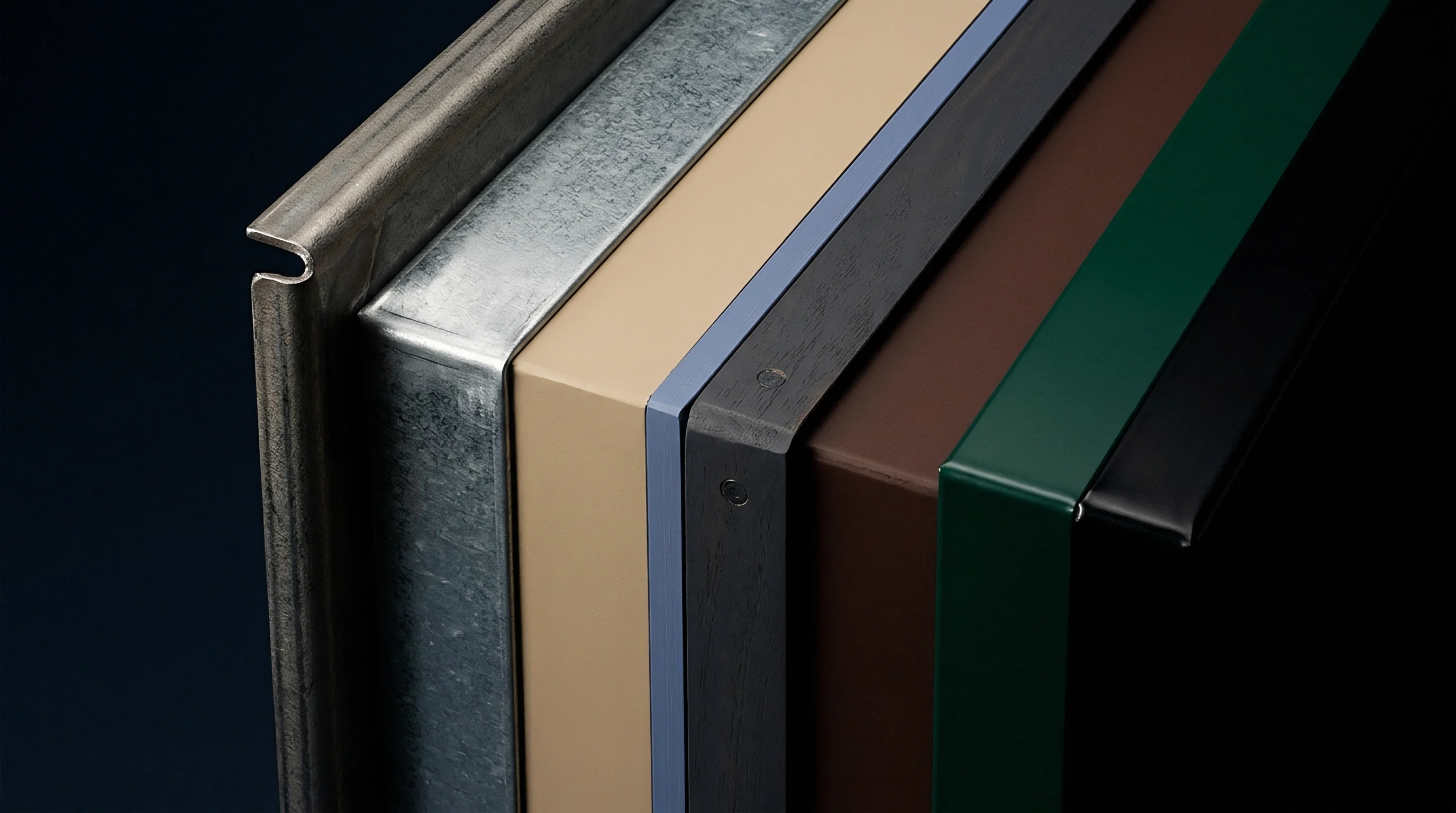
Standard creep testing protocols such as ASTM D2990 evaluate material coupons under uniaxial static tension or cantilever bending. These methods fail to reproduce the biaxial, non-uniform stress fields and dynamic snap-through kinematics experienced by an edge-restrained panel under pulsed suction. Validating panel survivability demands full-scale environmental chamber testing where controlled thermal radiation fields operate simultaneously with high-speed dynamic air suction systems.
A capable experimental test bench mounts the test panel within an environmentally conditioned boundary frame equipped with load cells at every anchor point to measure thermal thrust directly. Infrared quartz lamp arrays bring the specimen surface to target equilibrium temperatures between 40 and 90 degrees Celsius. Rapid-acting servo-pneumatic valves connect the airtight chamber behind the panel to an evacuated reservoir tank, allowing operator-defined pressure drops down to minus 6 kilopascals with rise times below 25 milliseconds.
High-speed three-dimensional digital image correlation cameras record out-of-plane deflection, strain tensors, and snap-through velocities across the full panel surface.
| Test Protocol | Load Waveform Type | Biaxial Restraint | Thermal Control Band | Failure Detection Criterion |
|---|---|---|---|---|
| ASTM D2990 Standard | Static Uniaxial Tension | No | Uniform Chamber Air Only | 5 Percent Strain Limit |
| ISO 899-1 Method | Static Tensile Creep | No | Constant Fluid Bath | Rupture Or Yield Point |
| Full-Scale Dynamic Rig | Pulsed Suction Profiles | Yes | Radiant Surface Gradient | Permanent Snap Lockout |
| Multi-Axis Cyclic Bench | Combined Shear-Suction | Yes | Thermal Cycle Plus Air | Boundary Slip Threshold |
The test matrix must address the non-linear relationship between temperature, gust frequency, and permanent set. In testing run at 70 degrees Celsius with a 1.5-kilopascal suction pulse repeated every 10 seconds, clear polycarbonate sheets show a rapid progression toward failure. The initial snap-through occurs within the first 50 cycles.
By cycle 500, the panel exhibits an unrecoverable mid-span permanent bow equal to twice the sheet thickness. At this point, the panel has permanently entered its post-buckled state, losing optical quality and rattling against framing members.
Optical measurement methods during testing require careful calibration against infrared reflection and surface distortions. Digital image correlation speckle patterns must survive thermal cycling without peeling, cracking, or stiffening the underlying polymer skin. Water-based acrylic speckle coatings applied with high-volume low-pressure spray guns deliver suitable compliance without modifying the local heat absorption characteristics of transparent or tinted engineering plastics.
The boundary load cell readouts provide vital operational intelligence. During the heating phase, in-plane compressive thrust climbs steadily until buckling initiates, at which point the load curve flattens. When the suction pulses begin, the load cells register dynamic tension spikes superimposed on the relaxing thermal compression.
If the polymer undergoes rapid stress relaxation, the baseline compressive force drops during the test. When thermal lamps turn off, the boundary frame registers large residual tensile forces, frequently precipitating corner cracking around fastener penetrations.

Damage

Accumulated Strain in Clamped Boundary Zones
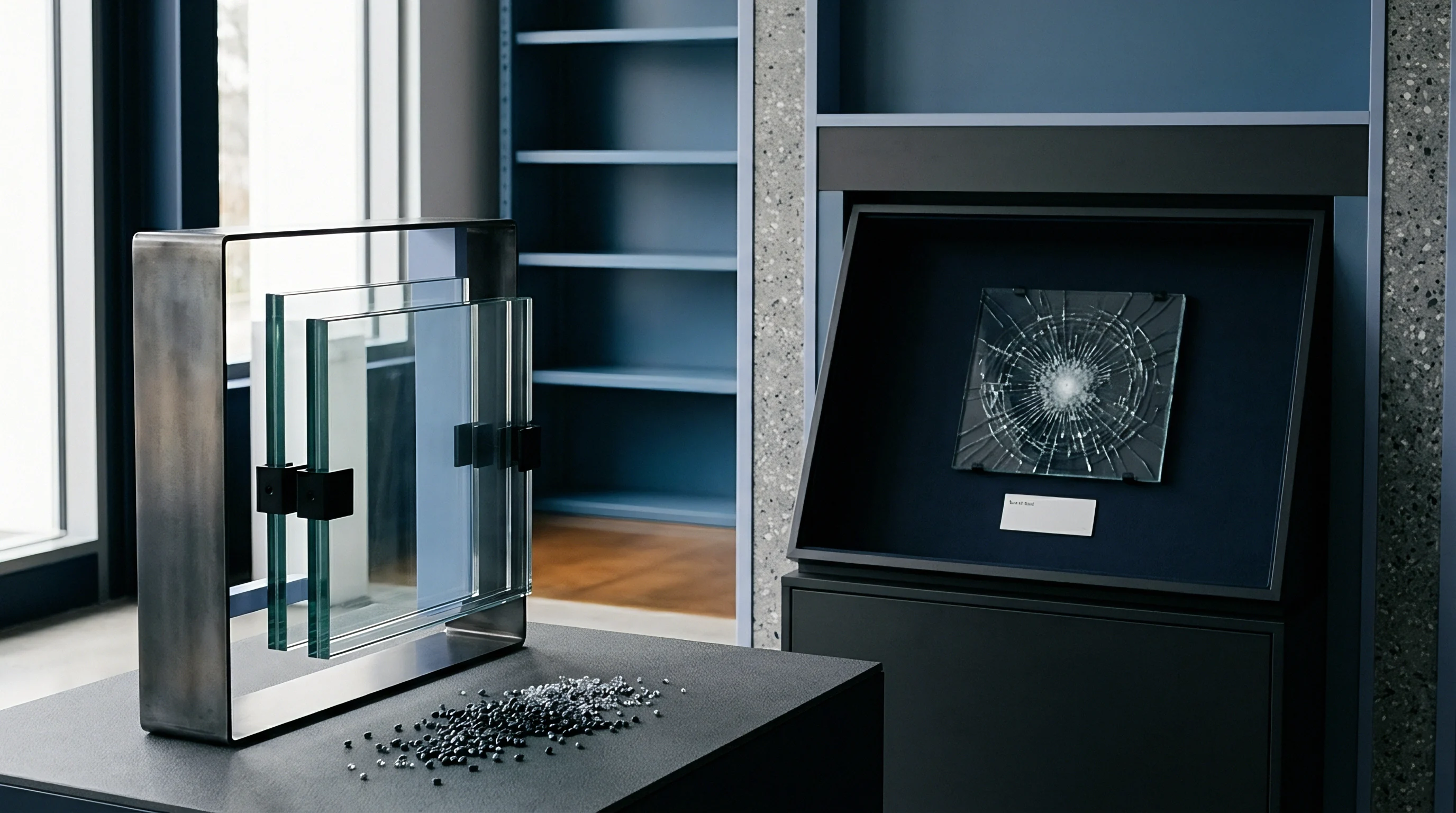
Failure in dynamically crept panels rarely manifests as mid-bay burst rupture. The dominant structural failure modes concentrate at the clamped perimeter and fastener penetration interfaces. When a panel snaps into its post-buckled geometry, the plate edge undergoes severe local bending that superimposes onto the existing in-plane compressive thermal strain.
For a clamped edge, this creates a cyclic strain concentration along the clamping strip toe.
Viscoelastic creep under high local strain gradients produces localized yielding and crazing in amorphous glassy polymers like polycarbonate. Micro-voids coalesce under the sustained tensile component of the bending cycle on the exterior panel surface. Under hot daytime environments, environmental stress cracking accelerates if atmospheric pollutants, industrial cleaning agents, or seal plasticizers contact these stressed surface zones.
The crazes develop into macro-cracks that propagate along the boundary edge, leading to catastrophic panel detachment during high-suction wind storms.
A fastener clearance margin under four millimeters in a thermally expanded polymer facade guarantees severe hole elongation and rim cracking under sustained aerodynamic buffet.
The mechanical interaction around point fixings presents severe design vulnerabilities. As the panel expands, the clearance within the oversized fastener hole closes. The edge of the hole bears against the rigid metal bolt shank.
When subsequent out-of-plane suction pulses yank the panel, intense prying forces develop. The polymer creeps around the fastener, generating oval hole elongation and permanent rim puckering.
The sequence of structural degradation across clamped fixings involves identifiable physical thresholds:
- Hole ovalization develops as the soft polymer flows viscoplastically against rigid bolt shanks during the heated expansion cycle.
- Gasket decompression results from thickness-direction creep under fixing bolt clamp loads, which destroys perimeter weather tightness.
- Sub-surface shear banding forms adjacent to clamping lines, reducing edge transverse shear resistance under dynamic suction snatch.
- Environmental crack propagation initiates along craze lines opened by cyclic tensile bending stresses acting on outer surface layers.
Fastener tear-out occurs when accumulated creep strain across the bolt margin reaches the critical plastic failure limit of the degraded polymer. In bolted glazing sheets, the edge distance ratio, defined as the distance from the hole center to the plate free edge divided by hole diameter, must exceed a value of 3.5 to prevent premature catastrophic edge shear-out under dynamic suction. Standard civil architectural specifications quoting an edge ratio of 2.0 or 2.5 prove insufficient when viscoelastic thermal creep operates alongside gust buffering.
In adhesively bonded structural glazing panels, the failure mechanism transitions from hole tearing to shear creep delamination of the structural silicone or polyurethane adhesive bead. The sustained thermal shear strain combined with cyclic normal peeling stress from suction pulses induces progressive adhesive debonding. The viscoelastic compliance of the adhesive interacts with the viscoelastic compliance of the polymer sheet, creating a complex dual-viscoelastic system where strain accumulates across both the adherend and the joint line.

Ledger

Payback Boundaries and Structural Replacement Economics
Selecting panel materials and framing geometries requires balancing initial procurement expense directly against long-term maintenance liabilities and premature replacement cycles. Unmodified extruded polycarbonate sheets offer lower initial material costs compared to continuous glass-fiber-reinforced thermoset composites or PVDF-modified acrylic alloys. However, standard thermoplastic sheets installed in high-buffet, high-thermal environments display replacement intervals between 4 and 7 years due to visible oil-canning, boundary tear-out, and optical haze degradation.
The landed cost of panel failure extends far beyond material repurchasing. Scaffolding, high-access equipment, public right-of-way closures, and safety engineering approvals dominate the total remediation outlay in infrastructural installations. A transit authority or building operator that specifies an unreinforced polymer panel based on a standard static wind-load calculation faces total lifecycle replacement expenditures that reach three to six times the initial installation cost over a 20-year asset life.
Does dynamic viscoelastic verification justify initial capital premiums?
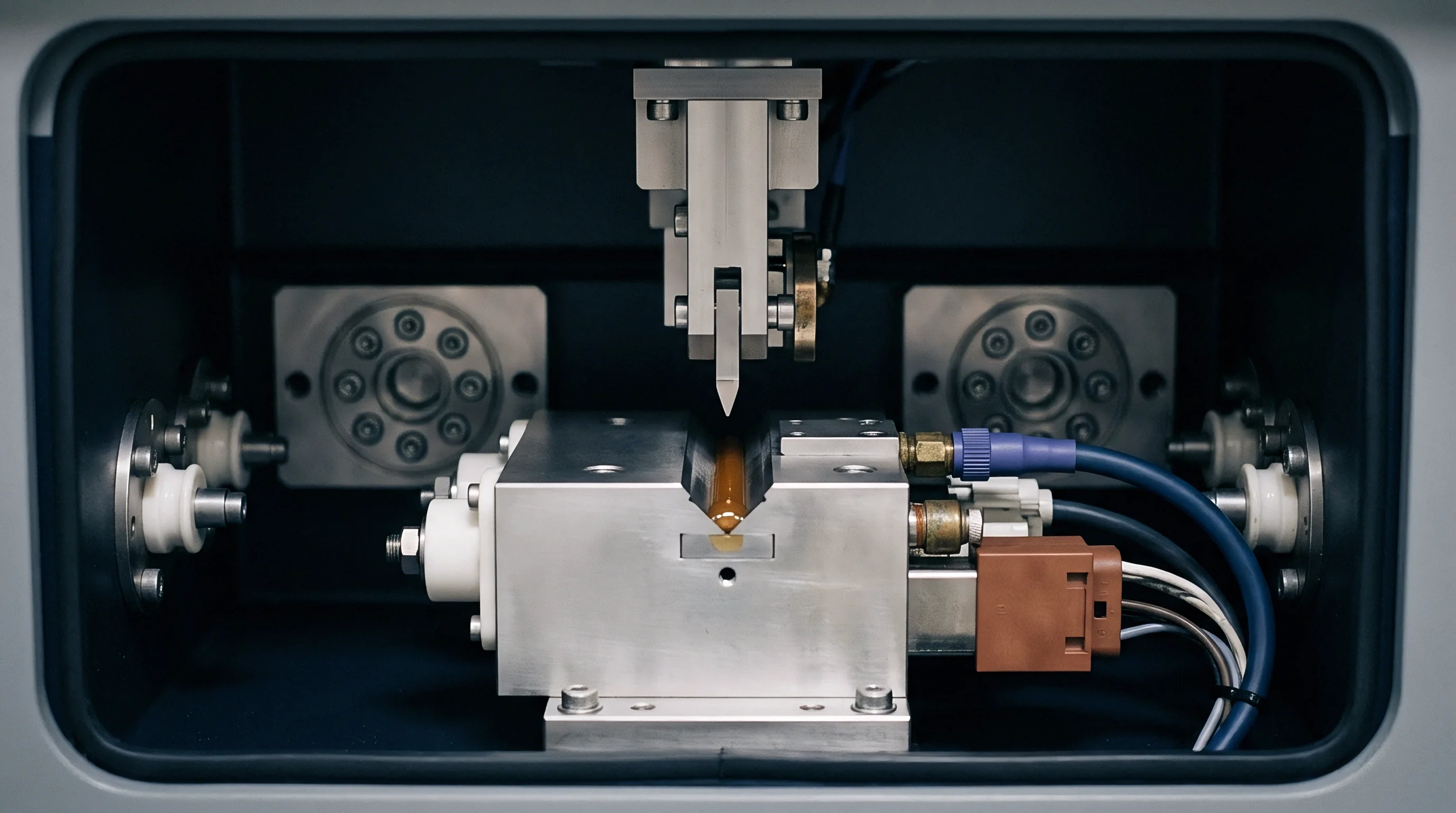
Financial analysis confirms that upfront engineering investments in full-scale dynamic qualification, advanced boundary slip details, and thermally decoupled support frames return capital within 36 to 48 months by eliminating interim field repairs. The initial material cost difference between standard polycarbonate and an advanced modified polymer system represents approximately 15 to 25 percent of the panel line item. In contrast, a single emergency field repair program on an active rail corridor or occupied commercial exterior routinely exceeds the entire original material procurement budget for the facade.
Procurement documents that omit dynamic suction creep testing force manufacturers to compete purely on base sheet weight and virgin resin blend ratios. This economic race encourages suppliers to maximize regrind content and strip thermal stabilizer packages to reduce unit costs. A robust technical procurement specification closes this vulnerability by requiring verified dynamic snap-through thresholds and maximum allowable creep strain ratcheting rates under elevated temperature conditions.
Contracts that mandate EN 1990 design principles alongside dynamic viscoelastic testing shift warranty liability cleanly to the engineering performance ledger, preventing premature component retirement and costly asset downtime.